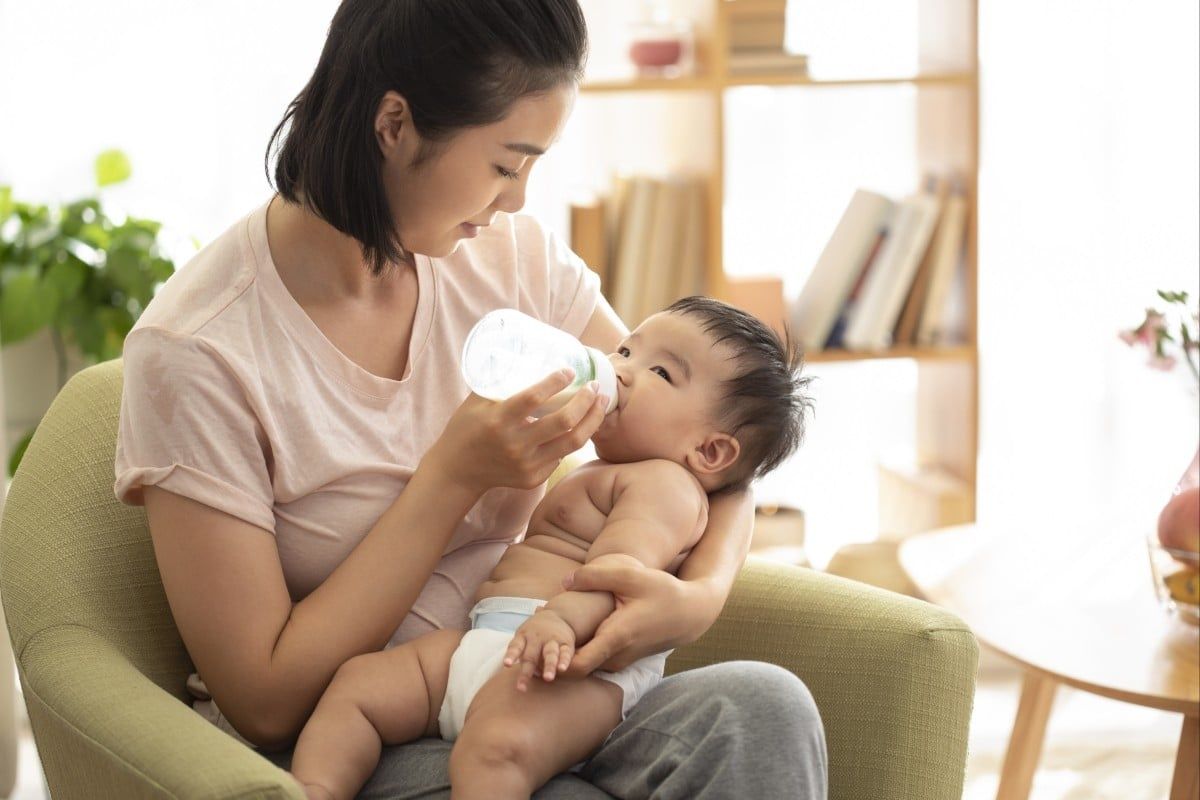
A three-month-old baby in China's Guangdong province required emergency intensive care treatment after his parents inadvertently poisoned him by preparing infant formula with boiled vegetable juice rather than plain water. The child arrived at Zhongshan Women and Children's Hospital displaying alarming symptoms including purple discoloration of the skin, purplish-blue lips, and severe respiratory distress, prompting immediate admission to the ICU.
The incident highlights a dangerous misconception about infant nutrition that stemmed from parental good intentions. According to reports, the baby's parents believed vegetable juice contained superior nutritional value compared to regular water and therefore prepared the powdered formula milk using this substitute. They only realized their mistake after their son began showing distressing physical symptoms shortly following his consumption of the contaminated formula.
Hospital physicians quickly identified the root cause as nitrite poisoning, a condition that poses grave risks to very young children whose biological systems remain underdeveloped. The diagnosis explained the baby's alarming presentation: the purple discoloration of skin, lips, and fingernails resulted from the toxic compound's interference with the blood's oxygen-carrying capacity once it entered the bloodstream. After two days of intensive medical intervention, the infant was successfully discharged in mid-June.
The medical explanation underlying this tragedy illuminates why such substitutions prove catastrophic for infants. When vegetables undergo prolonged boiling, the resulting liquid accumulates dangerously high concentrations of nitrites. Critically, babies aged three months possess digestive systems and kidney function that have not yet matured sufficiently to process and eliminate such toxic compounds. Their bodies lack the physiological capacity to neutralize these substances, making them extraordinarily vulnerable compared to older children and adults.
Doctors have emphasized the strict protocol parents must follow when preparing infant formula. The only appropriate liquid for reconstituting powdered formula is warm water—never vegetable juice, rice water, fruit juice, broths, or any other substitute that parents might assume offers nutritional benefits. This straightforward guidance, while seeming obvious to medical professionals, clearly requires reinforcement given the frequency with which such dangerous practices emerge.
Pediatrician Cao Qi from Nanning No 1 People's Hospital in Guangxi Zhuang autonomous region has raised awareness about recognizing nitrite toxicity symptoms, urging parents to seek immediate hospital care if they observe any suspicious signs. His stark warning that delays of mere minutes could prove fatal underscores the life-threatening nature of this condition. The physician's intervention reflects growing concern within China's medical community about preventable infant poisonings resulting from well-meaning but dangerously misguided feeding practices.
Cao's broader message addresses a troubling pattern he has observed among parents who rely on subjective judgment or popular trends when making feeding decisions for very young children. He cautions that natural foods, while generally wholesome for older individuals, frequently prove unsuitable and potentially lethal for infants whose developing systems cannot tolerate standard foodstuffs. This cautionary stance reflects medical consensus that infant nutrition requires strictly adhered-to protocols rather than improvisation.
This incident represents merely one instance within a broader pattern of unusual feeding mishaps that capture widespread attention on Chinese social media platforms. The previous year witnessed another preventable tragedy when a 52-day-old infant in Henan province was hospitalized after his grandmother added honey to his water, introducing Clostridium botulinum bacteria that causes botulism. These repeated cases suggest systemic gaps in parental education regarding infant feeding safety across different regions of China.
For Malaysian and Southeast Asian parents, this incident carries important cautionary lessons. While cultural practices regarding infant nutrition vary across the region, the fundamental physiology of newborn digestive and renal systems remains universal. Parents who consider incorporating traditional foods, herbal preparations, or juice-based supplements into infant formula should first consult pediatricians rather than making independent decisions based on perceived nutritional advantages. The consequences of such experimentation, as this case grimly demonstrates, can escalate from manageable to life-threatening within hours.
The incident also underscores the critical importance of accessible, culturally appropriate health education targeting new parents. As urbanization and changing family structures alter traditional knowledge transfer between generations, medical institutions must proactively fill educational gaps. Healthcare providers across the region should recognize that parental mistakes typically stem from genuine concern for their child's wellbeing rather than negligence, and communication strategies should reflect this reality while firmly establishing non-negotiable safety boundaries around infant feeding practices.

