Beijing police have cracked a large-scale fraud operation targeting vulnerable seniors, exposing a sophisticated scam that bilked more than 100 elderly people out of over 10 million yuan, equivalent to US$1.5 million. The investigation began when the family of a woman in her 60s, surnamed Li, discovered she had spent 700,000 yuan—roughly US$103,000—at a single health centre, prompting them to alert authorities. Following this discovery, police arrested more than 30 individuals suspected of orchestrating the deception across multiple locations in Beijing.
The operation's mechanism was deliberately crafted to exploit elderly psychology and isolation. Perpetrators identified their targets through calculated reconnaissance, focusing specifically on affluent seniors who either lived alone or experienced emotional loneliness despite having adult children. The recruitment process began innocuously, with staff positioning themselves at senior centres and public gathering spaces, offering complimentary medical assessments conducted by individuals presented as licensed health experts. These fake practitioners would inform unsuspecting clients that they suffered from undisclosed illnesses requiring prolonged, expensive treatment regimens.
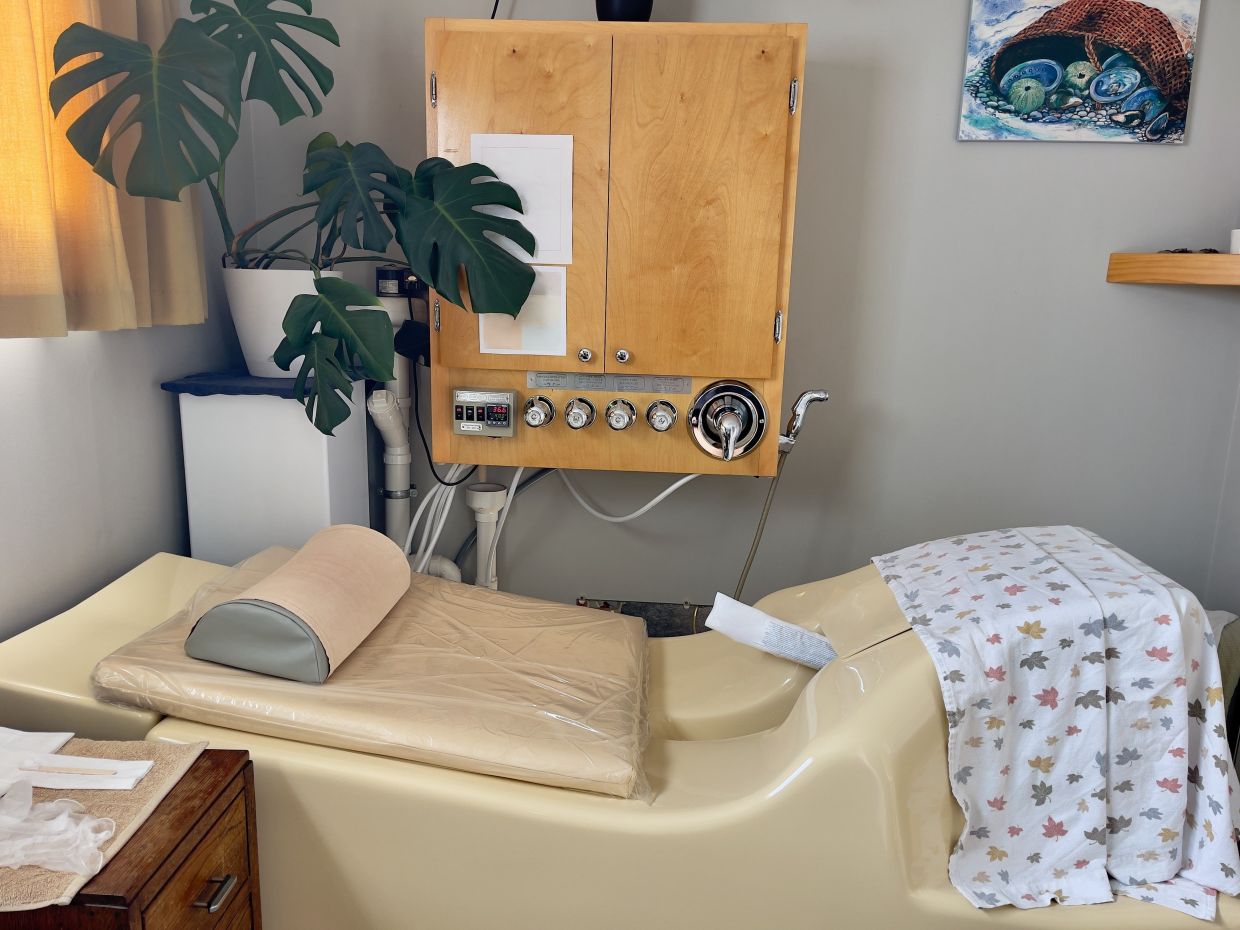
The scheme's most deceptive element involved a fabricated intestinal cleansing procedure. Fraudsters would perform a procedure on elderly clients, deliberately adding dark soy sauce—a common Chinese cooking ingredient used for colouring—into the cleansing liquid. When this darkened liquid emerged during the treatment, victims were led to believe they were expelling dangerous toxins accumulated in their bodies, creating apparent medical justification for continued, costly interventions. This visual manipulation proved extraordinarily effective in persuading seniors that treatment was medically necessary.
The Li case illustrates the psychological manipulation underlying the operation. Her initial contact came through a modest purchase—a 38-yuan, approximately US$6 foot massage voucher. However, staff deployed calculated intimacy strategies, demonstrating unusual attentiveness and remembering personal details like birthdays, creating an emotional dynamic that made clients feel cared for in ways that, in many cases, exceeded attention from their own families. This emotional cultivation proved critical to extracting increasingly large sums.
Once financially committed, victims faced escalating pressure to continue treatments and purchase additional services. Individual sessions cost tens of thousands of yuan, representing substantial sums for retirees living on fixed incomes. When Li eventually depleted her accessible funds, clinic personnel employed aggressive psychological tactics, encouraging her to liquidate personal assets. Staff explicitly suggested she pawn her gold bracelet, arguing that health restoration superseded financial security. Such coercive language demonstrates how the operation weaponized seniors' health anxieties against their financial self-preservation instincts.
The operation achieved remarkable financial scale across its network. The health centre targeted in the Li investigation generated turnovers exceeding 30 million yuan—approximately US$4.5 million—a figure that appears disproportionately high for legitimate health service provision. One identified victim had transferred more than 2 million yuan, equivalent to US$295,000, to the operation, suggesting the scale of extraction from individual clients. Police investigations revealed that over 20 establishments masquerading as health centres operated simultaneously across multiple Beijing districts, indicating a coordinated, well-organized criminal enterprise rather than isolated fraudulent incidents.
China's demographic composition has created conditions enabling such exploitation. As of the end of 2025, the country's population included 323 million people aged 60 and above, representing 23 per cent of the total population. Within this aging cohort, approximately 60 per cent are classified as empty-nesters—seniors either without children or separated from adult offspring by geographic distance and modern family structures. This demographic reality means hundreds of millions of potential targets experience genuine emotional isolation, creating psychological vulnerabilities that unscrupulous operators can systematically exploit.
The distinction between legitimate healthcare services and predatory operations targeting seniors remains insufficiently policed in China. Online observers and consumer advocates have highlighted that numerous fraudulent health centres continue operating with minimal regulatory oversight, frequently employing similar tactics of free promotional events and emotional manipulation. The prevalence of such scams targeting elderly populations reflects broader gaps in consumer protection, elder care regulations, and public health oversight. Particularly concerning is how these operations specifically target the psychological and emotional vulnerabilities created by family separation patterns and social isolation.
The investigation's exposure of the soy sauce deception is significant because it demonstrates how fraudsters deliberately engineer false medical evidence to support their claims. Rather than relying solely on persuasive language or psychological manipulation, the operation created visible, tangible proof—the darkened liquid—that participants could interpret as evidence of internal contamination. This evidence appeared objective and medical, lending scientific credibility to claims that would otherwise seem implausible, thereby overcoming skepticism that might otherwise protect vulnerable clients.
The ramifications extend beyond the identified victims and arrested perpetrators. The case has drawn urgent attention to systemic regulatory failures in the health services sector targeting seniors. Industry observers and consumer advocates have called for immediate strengthened supervision, arguing that current oversight mechanisms fail to prevent widespread fraud targeting one of China's most vulnerable populations. The operation's scale—affecting over 100 individuals, spanning multiple districts, and persisting long enough for one victim to lose over 700,000 yuan—suggests authorities had limited visibility or enforcement capacity regarding fraudulent health centres until investigation began.
For Malaysian and Southeast Asian readers, this case offers cautionary insights into how health fraud operations exploit aging populations across the region. Similar schemes operate throughout Asia, often targeting wealthy overseas Chinese seniors who travel to home countries seeking traditional health treatments. The psychological tactics—emotional cultivation, fake medical evidence, and exploitation of family separation—are universal fraud strategies that transcend national boundaries. Regulatory frameworks in Southeast Asian countries would benefit from examining Beijing's investigation methodology and considering whether comparable protective mechanisms exist domestically.
The broader concern involves recognising how urbanisation, family migration patterns, and modern lifestyles have created emotional vulnerabilities among elderly populations that fundamentally differ from previous generations. Seniors experiencing isolation despite having geographically distant children present a specific demographic profile that fraudsters have learned to identify and exploit systematically. Addressing such scams requires simultaneously strengthening regulatory oversight of health services while addressing underlying social issues of elder loneliness and family separation that fraudsters deliberately weaponise.

