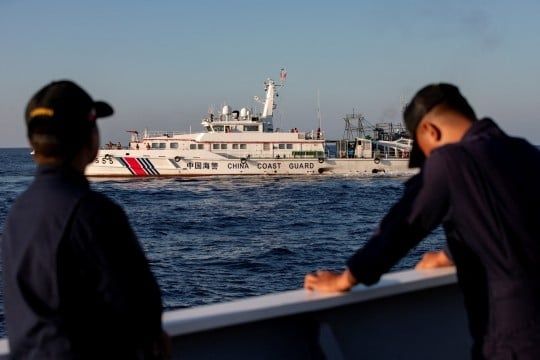
China has publicly recognised Malaysia's instrumental contribution to advancing negotiations on a Code of Conduct for the South China Sea, signalling that discussions have entered their most delicate phase. Ambassador Ouyang Yujing delivered the commendation during a media briefing in Kuala Lumpur on Tuesday, underscoring Beijing's appreciation for Malaysia's dual role as both a claimant state with vested interests in the waters and a co-chair of the mechanism overseeing implementation of the Declaration on the Conduct of Parties. The endorsement comes as regional expectations mount for a final agreement, with multiple ASEAN leaders having voiced optimism that the accord could be concluded this year.
The ambassador framed the Code of Conduct as essential institutional architecture that would undergird long-term peace and stability in one of the world's most strategically important and contentious maritime zones. His remarks reflect Beijing's strategic interest in formalising rules-based arrangements that codify existing relationships while potentially constraining future interventions by external powers—a persistent concern for China. By commending Malaysia specifically, Beijing also reinforces its bilateral relationship with Kuala Lumpur at a moment when South China Sea tensions occasionally flare and when competing claims among claimant states can threaten regional unity.
Since the previous calendar year, China and Malaysia have maintained sustained communication channels dedicated to maritime matters, with both governments actively exploring avenues for expanded maritime cooperation. This institutional engagement extends beyond the formal COC process itself; the two countries have established a bilateral dialogue mechanism specifically focused on managing maritime issues within the South China Sea. Such parallel channels of engagement allow both capitals to address bilateral concerns while contributing to the broader multilateral negotiation process, a strategy that reflects diplomatic sophistication in balancing national interests with regional stability objectives.
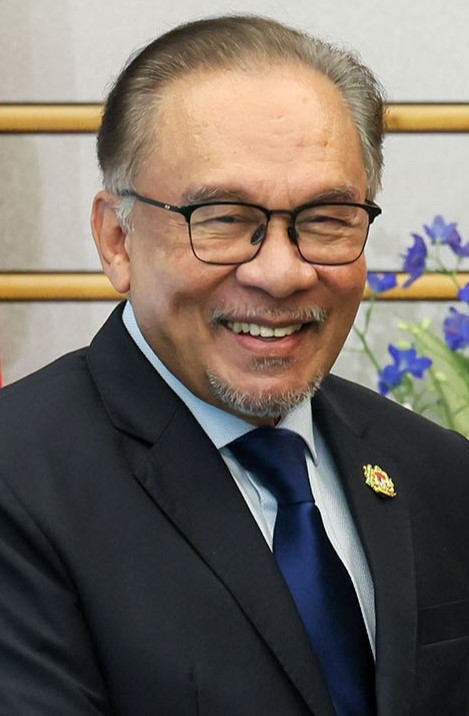
The timing of Ambassador Ouyang's remarks follows Prime Minister Datuk Seri Anwar Ibrahim's recent public commitment to accelerate Code of Conduct negotiations. This alignment suggests coordinated messaging between Kuala Lumpur and Beijing regarding their shared interest in finalising an accord. For Malaysia, the stakes are particularly high: as a claimant with significant maritime territory and resources at stake, the country must navigate between defending its own interests and facilitating a consensus that includes all parties—a balancing act that Anwar's government appears to be managing with care.
The negotiations have now reached what multiple parties characterise as a critical juncture. This terminology typically signals that foundational issues have been resolved and discussions have narrowed to specific, often contentious details. All parties involved have expressed determination to meet existing timelines for completion, though observers note that maritime boundary disputes rarely yield to artificial deadlines. The fact that China publicly acknowledges this critical stage suggests either confidence that major obstacles have been overcome or strategic messaging intended to build momentum and manage expectations among remaining stakeholder groups.
China's commitment to working with "all parties including Malaysia" while seeking to "eliminate interference" and "manage differences" contains coded diplomatic language worth unpacking. References to interference typically allude to concerns about extra-regional powers—particularly the United States and its security partners—attempting to influence negotiations or complicate maritime arrangements. By framing the process as one requiring elimination of such interference, Beijing positions itself as pursuing a regionally-owned solution while simultaneously discouraging third-party mediation or pressure that might not align with Chinese preferences.
The ambassador also highlighted the unprecedented strength of bilateral relations between China and Malaysia, situating the COC collaboration within a broader framework of deepening engagement. He cited President Xi Jinping's state visit to Malaysia during the previous year as a watershed moment that energised the entire relationship. Subsequently, high-level exchanges have proliferated at record rates, with Premier Li Qiang making two separate visits to Malaysia while Prime Minister Anwar has travelled to China four times since assuming office. This frequency of top-level engagement underscores how both governments prioritise the relationship and use such visits to resolve issues, explore cooperation opportunities, and reinforce political trust.
The expansion of cooperation across multiple sectors mentioned by Ambassador Ouyang extends far beyond maritime affairs and Code of Conduct negotiations. Trade, investment, infrastructure development, educational exchange, and people-to-people connectivity have all strengthened significantly. This multifaceted deepening of ties creates a resilient foundation for the relationship that can absorb occasional friction over specific maritime incidents or negotiating disagreements. For Malaysian policymakers, the cultivation of this broad-based relationship provides leverage and flexibility in navigating South China Sea complexities—they are not dependent on maritime negotiations alone to justify engagement with Beijing.
From a Southeast Asian perspective, Malaysia's positioning as both an ASEAN member and a direct South China Sea claimant gives it unique value in these negotiations. Unlike some nations that participate in COC talks but have no territorial claims, Malaysia must balance its ASEAN unity commitments with protection of its own maritime interests. This dual identity has made it an essential interlocutor, capable of bridging perspectives between ASEAN consensus-building requirements and bilateral arrangements with major powers.
The emphasis on completing negotiations by a specified timeline reflects broader regional interests in achieving closure on this issue. ASEAN governments have pursued a Code of Conduct for approximately two decades, and fatigue with prolonged negotiations is evident. A finalised accord would demonstrate that the region can manage its most pressing geopolitical challenge through dialogue and compromise, potentially serving as a confidence-building model for other regional disputes. However, observers caution that the complexity of maritime boundary questions, competing resource claims, and strategic considerations mean that even a completed text may require years of implementation negotiations.
Malaysia's role as co-chair of the implementation mechanism carries particular significance, as it suggests the country will have ongoing responsibility for ensuring agreed-upon provisions are actually observed and enforced. This responsibility requires that Malaysia maintain credibility and trust with all parties, a delicate equilibrium given its own claims and interests. Ambassador Ouyang's public commendation validates Malaysia's efforts to navigate this challenging position while advancing collective interests in regional stability.
Looking ahead, the trajectory of these negotiations will likely influence Malaysia's broader foreign policy positioning in the coming years. A successful Code of Conduct would represent a substantive achievement reflecting both ASEAN solidarity and responsible management of great power competition in the region. Conversely, continued deadlock could strain ASEAN unity and embolden competing claimants to pursue more assertive strategies. Malaysia's continuing commitment to the process, as endorsed by Chinese leadership, suggests that regional consensus persists that negotiated solutions remain preferable to escalating maritime tensions or military posturing among claimant states.