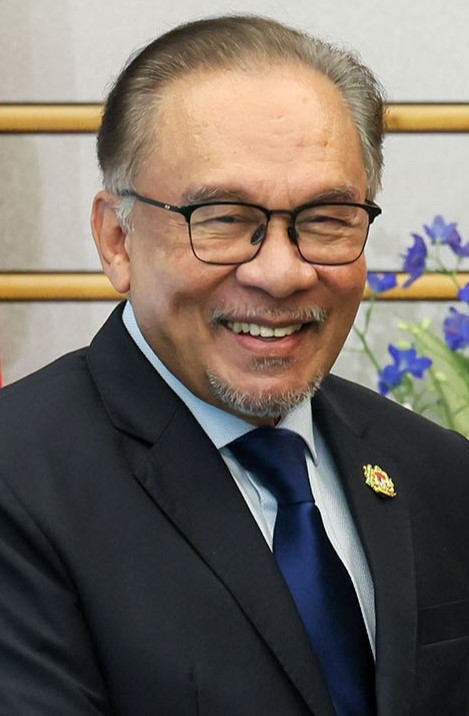
Cambodian Prime Minister Hun Manet has declared girls' education a cornerstone national strategy, recognizing that expanding educational opportunities for young women is essential to building the human capital necessary for sustained economic advancement. Speaking at the 39th World Conference of the World Association of Girl Guides and Girl Scouts on Tuesday, June 16, Manet articulated a vision in which educated girls become architects of their own futures and catalysts for broader societal transformation. His remarks underscore a strategic pivot in Southeast Asian policy-making, where demographic advantages and proven female workforce participation are reshaping how governments approach development priorities.
The Cambodian leader's emphasis on educational equity reflects a fundamental shift in how policymakers perceive women's economic roles. Historically, Cambodian women have been stereotyped as passive players in the nation's social and economic fabric. Yet contemporary evidence presents a starkly different narrative. Women are increasingly establishing themselves as entrepreneurs, ascending to corporate leadership positions, driving innovation, and shaping policy decisions that influence their communities and nation. This transition from economic periphery to central participation suggests that gender-based assumptions about capability and potential are not merely outdated but economically counterproductive.
The case for prioritizing girls' education rests on demonstrable outcomes. According to the World Bank, Cambodian women have achieved a literacy rate exceeding 80 per cent, while girls' school enrolment reached 100 per cent in 2021. These figures indicate that access barriers have been substantially reduced in recent years, yet Manet's call for heightened priority suggests recognition that enrollment alone is insufficient. Quality education, safety within educational environments, and the confidence to pursue ambitious careers remain critical gaps. The Prime Minister articulated this philosophy succinctly: an educated girl who feels secure and self-assured can leverage opportunities not only to elevate her own circumstances but to strengthen her entire family unit, community, and ultimately the nation itself.
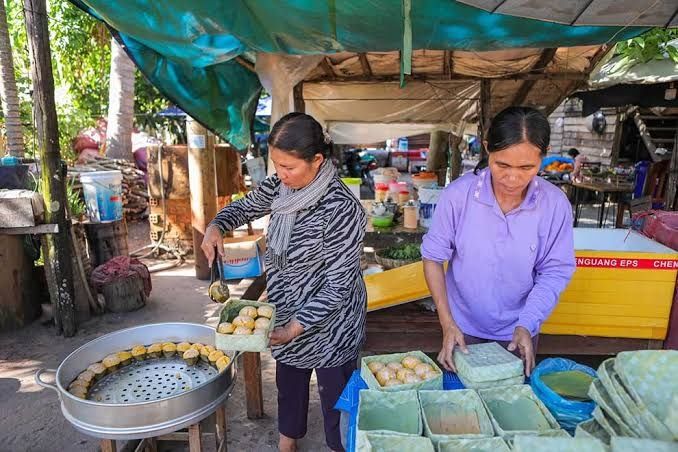
Cambodia's female workforce has already proven its capacity to generate substantial economic value. Women own approximately 60 per cent of the country's micro, small, and medium enterprises, a proportion that underscores female entrepreneurial dynamism. These women operate across diverse sectors: they produce ready-made food products, cultivate and export high-quality agricultural goods, and manage hospitality establishments ranging from cafes to comprehensive food and beverage operations. This entrepreneurial foundation demonstrates that when women access capital, markets, and business networks, they create employment, generate tax revenue, and drive innovation within their sectors.
The corporate arena similarly reflects female advancement. Women successfully operate and manage accounting practices, law firms, private medical facilities, dental clinics, and educational institutions. Their professional credentials and business acumen have positioned them as decision-makers in high-value sectors. Particularly significant is women's dominance in Cambodia's garment, textile, and footwear industries, where more than 700,000 women are employed. This sector alone generates approximately US$16 billion annually for the Cambodian economy, making female labour central to one of the nation's most productive and export-oriented industries. The concentration of female workers in this sector creates both opportunity and vulnerability—opportunity for skills development and career progression, but also exposure to labour-intensive, occasionally precarious working conditions.
Despite these achievements, substantial obstacles persist in converting educational access into sustained completion and meaningful outcomes. Civil society organizations have documented that girls continue to face formidable social, cultural, and structural barriers to finishing basic education. Early marriage remains a significant factor driving school withdrawal, particularly in rural areas where traditional practices maintain stronger hold. Gender-based violence, inadequate safety measures within schools, and broader cultural biases against female education continue to constrain opportunities. Economic hardship drives some families to prioritize boys' education or to remove girls from school to contribute to household labour. These realities, while improving, represent the gap between policy ambition and lived experience for many Cambodian girls.
Hun Manet's government has responded by pledging sustained investment in gender equality initiatives and women's empowerment programmes. These commitments extend beyond education to encompass broader policy objectives: supporting women's participation in decision-making, reducing vulnerability to gender-based violence, and strengthening intergenerational family relationships. The Royal Government has framed these investments not as welfare expenditures but as strategic economic development spending—a reframing that aligns female advancement with national prosperity rather than positioning it as a separate social agenda.
Cambodia's development trajectory provides important context for this educational priority. The nation has set ambitious targets to graduate from Least Developed Country status by 2029 and to achieve upper-middle-income classification by 2030. Meeting these objectives requires substantially accelerated economic growth, productivity improvements, and diversification beyond garment manufacturing. With women representing nearly half of Cambodia's population, and a demographic bulge of women under 30 years old, female workforce participation and entrepreneurship are mathematically central to achieving these macroeconomic goals. Excluding women from education or limiting their professional opportunities would effectively handicap the nation's development prospects.
For regional observers, Cambodia's approach carries implications extending beyond its borders. Across Southeast Asia, demographers note similar patterns: young female populations with growth potential, increasing female labour market participation, and growing recognition of women's economic contributions. Cambodia's explicit linkage of girls' education to national development strategy provides a policy model for other nations grappling with how to maximize demographic dividends while addressing persistent gender inequalities. The emphasis on quality education—not merely access—reflects sophisticated understanding that contemporary economic competition demands highly skilled, confident, and adaptable workforces.
The challenge ahead involves translating commitment into sustained implementation. Increasing investment in girls' education requires not only budgetary allocation but also systemic changes: training teachers to recognize and counteract gender bias, designing curricula that showcase female role models and economic opportunities, improving school safety infrastructure, and engaging community leaders to shift attitudes toward female education. These interventions are resource-intensive and demand coordination across multiple government agencies.
Moreover, the pathway from school completion to economic opportunity requires deliberate labour market policies. Girls must have access to vocational training, professional networks, capital for business formation, and entry points to formal employment. Without these bridges, educational attainment alone may not translate to the economic participation and leadership Cambodia seeks to cultivate.
The Prime Minister's remarks at the World Association of Girl Guides and Girl Scouts conference signal that Cambodia recognizes both the moral imperative and the economic logic of gender equality in education. Whether the nation can convert this rhetoric into sustained policy action—addressing root causes of educational barriers, ensuring quality instruction, and creating economic pathways for educated women—will determine whether girls' education becomes a true development driver or remains aspirational policy language. For Cambodia's peers across Southeast Asia, the stakes of this transition are equally high.