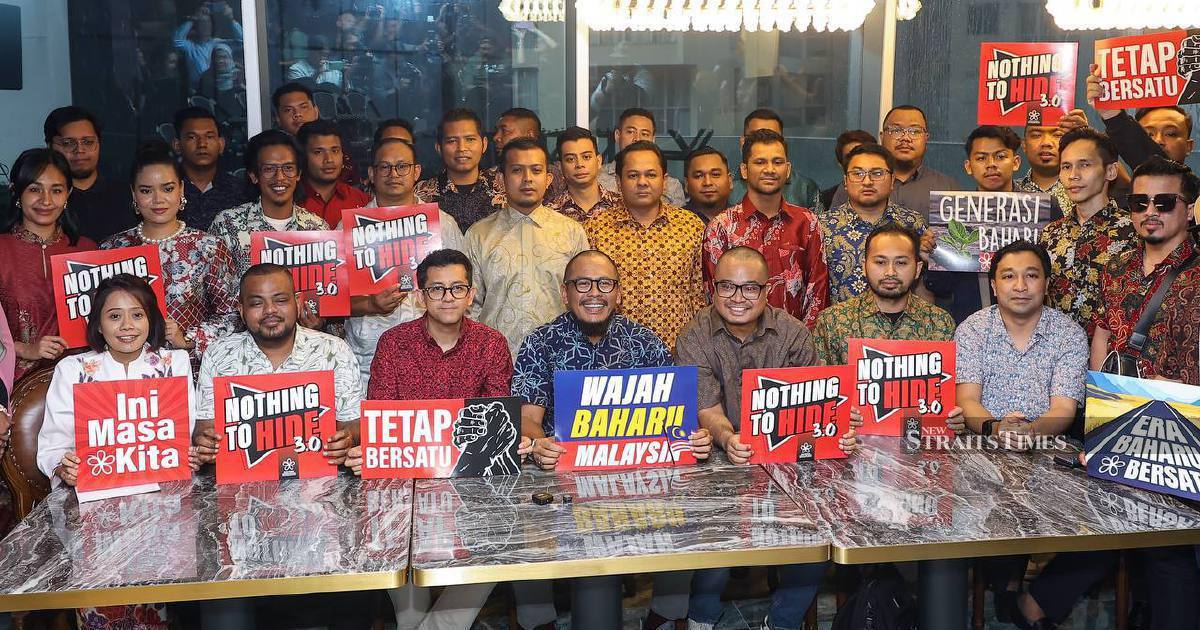
The relationship between PAS and Bersatu, two principal pillars of the Perikatan Nasional alliance, remains salvageable despite mounting friction that has tested their political partnership, according to Kota Siputeh assemblyman Mohd Ashraf Mustaqim Abdul Munir. Speaking publicly on the state of coalition dynamics, Ashraf drew an analogy to domestic relationships, suggesting that the recent disagreements between the two Islamist-leaning parties parallel the type of disputes common within married couples who continue sharing a household despite their conflicts.
The comparison reflects an attempt to project stability within PN at a time when observers have grown increasingly attentive to cracks in the coalition's foundation. Since the 2022 general election, PAS and Bersatu have navigated divergent policy preferences, competition for political space, and occasional public disagreements that have prompted speculation about the durability of their alliance. Ashraf's framing of current tensions as surmountable rather than existential suggests internal confidence that the partnership, while strained, retains sufficient common ground and shared interests to withstand present discord.
The Perikatan Nasional coalition emerged as a significant political force following the 2022 polls, with PAS and Bersatu playing instrumental roles in reshaping Malaysia's federal government. Their combined influence has been particularly pronounced in setting the agenda around governance priorities, particularly in areas affecting Malaysia's Islamic institutional framework and developmental policies. However, the coalition's functioning has occasionally been complicated by competing ambitions and differing emphases on certain policy directions, creating moments of visible tension that neither party has attempted to entirely obscure from public view.
Ashraf's optimistic assessment arrives amid a broader pattern of coalition management that requires continuous diplomatic effort. The maintenance of PN's cohesion has necessitated regular communication between senior leaders and careful choreography around sensitive political decisions. The invocation of a marriage metaphor suggests recognition that long-term political partnerships, much like matrimonial bonds, endure through phases of discord and require commitment from both parties to navigate successfully. The implicit argument carries weight in Malaysian political circles, where coalitions have historically been viewed as fragile arrangements requiring constant tending.
The backdrop to this reconciliation narrative includes Malaysia's complex multi-party environment, where coalition mathematics remain critical to electoral viability and governmental stability. For both PAS and Bersatu, maintaining their alliance offers substantial advantages in terms of combined parliamentary representation, grassroots mobilisation capacity, and influence over policy implementation. Breaking such alliances typically triggers significant political consequences, including loss of cabinet positions, reduced influence in legislative chambers, and diminished ability to advance party-specific agendas.
Ashraf's comments also reflect the broader challenge facing PN as it attempts to project unity while managing the competing interests of constituent parties. The coalition encompasses diverse political traditions and organisational cultures, with PAS maintaining deep roots in Islamic movements and having significant grassroots presence particularly in northern states, while Bersatu represents a more recent formation drawing members from various political backgrounds. Reconciling these differing orientations requires sustained dialogue and compromise on matters ranging from electoral strategy to policy emphasis.
The significance of Ashraf's remarks extends beyond the immediate internal dynamics of Perikatan Nasional. Coalition stability directly affects Malaysia's political trajectory, influencing the government's capacity to implement policies, maintain parliamentary majorities, and project confidence to investors and international observers. Any substantial fracturing within PN could trigger wider political realignment, potentially drawing in opposition parties and reshaping the current distribution of parliamentary seats. Such considerations render coalition maintenance a matter of consequence not merely for party leaderships but for broader political stability.
The marriage analogy, while somewhat informal for high-level political commentary, nonetheless captures an essential truth about coalition politics. Like married couples, political allies must navigate disagreements while maintaining functional cooperation around shared responsibilities. The success of this arrangement depends partly on factors beyond immediate policy disputes—including personal relationships between leaders, institutional cultures that facilitate compromise, and perceived mutual benefit from continued association. Ashraf's invocation of this metaphor suggests these deeper factors remain conducive to preserving the PN partnership.
Moving forward, the trajectory of PAS-Bersatu relations will likely depend on how both parties manage their competing ambitions within an increasingly complex political environment. Malaysia's electoral landscape continues evolving, with Opposition coalitions also seeking to strengthen their own alliances. The success with which PN maintains internal coherence while addressing legitimate differences between constituent parties will substantially shape the country's political dynamics over the coming election cycle and beyond. For now, Ashraf's optimistic assessment signals that both parties intend to invest effort in preserving their partnership despite present tensions.

