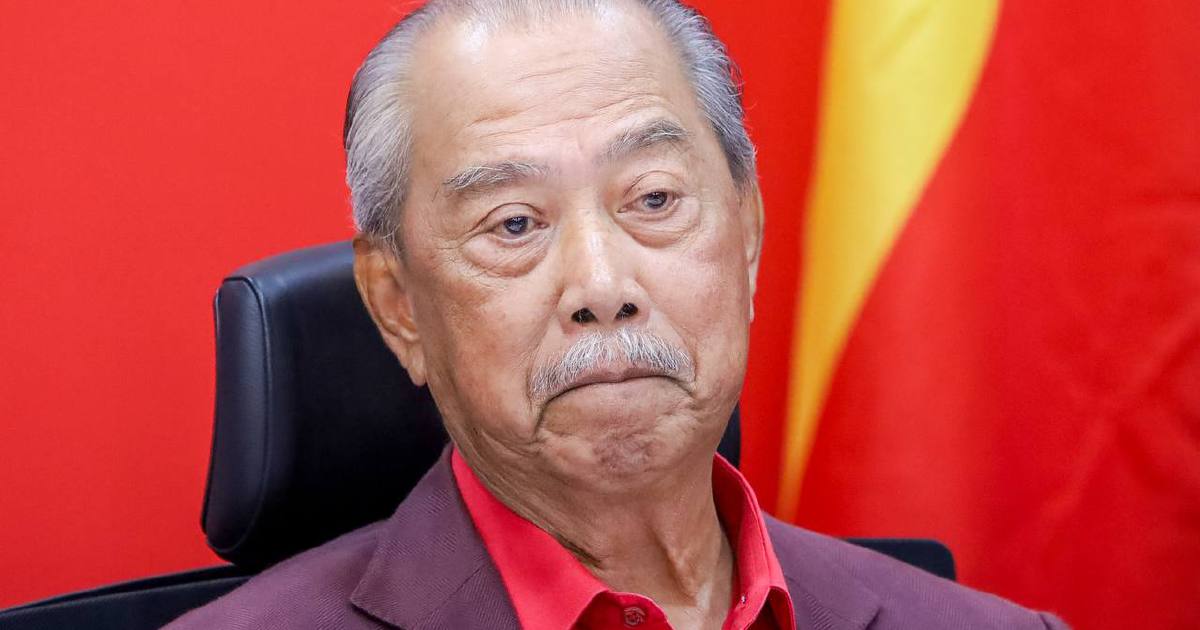
Parti Pribumi Bersatu Malaysia has doubled down on its allegiance to Perikatan Nasional, with party leader Tan Sri Muhyiddin Yassin confirming that Bersatu will remain a coalition member and contest the upcoming Johor and Negri Sembilan state elections under the PN banner. The decision underscores Bersatu's strategic positioning within Malaysia's fractious opposition landscape, where maintaining coalition unity has become increasingly critical to electoral viability.
Muhyiddin's statement carries significant weight given the turbulent political environment in Malaysia over recent years. Bersatu, which was formed in 2016 by Muhyiddin himself and has served variously as both government partner and opposition force, has faced persistent questions about its long-term political direction. The reaffirmation of PN membership suggests the party leadership has determined that its future prospects are best served through strengthened coalition ties rather than independent action.
The decision to use the PN logo in both state elections is particularly meaningful given the symbolic importance of party branding in Malaysian electoral politics. By choosing the coalition symbol over its own party insignia, Bersatu is effectively positioning itself as part of a unified opposition front rather than as a standalone entity seeking electoral advantage. This reflects lessons learned from previous contests where fractured opposition votes allowed dominant parties to consolidate power.
Johor and Negri Sembilan represent strategically important battlegrounds. Johor, historically the stronghold of United Malays National Organisation dominance, has seen shifting political allegiances in recent years, with PN making significant inroads in certain constituencies. Negri Sembilan similarly presents opportunities for coalition growth. The state contests will serve as important indicators of PN's electoral strength as Malaysia approaches the next federal general election cycle.
For Bersatu specifically, maintaining PN membership while actively participating in state-level contests allows the party to maintain its organisational footprint and political relevance without bearing the full electoral risk of contesting independently. This approach balances ambition with pragmatism, allowing Bersatu to claim credit for coalition successes while avoiding sole responsibility for any setbacks. The strategy also facilitates candidate allocation discussions with other PN partners, potentially securing winnable seats for Bersatu representatives.
The coalition framework itself has evolved considerably since PN's initial formation. Originally comprising Bersatu, PAS, and Amanah, the coalition has undergone various reconfiguration as political circumstances changed. Bersatu's reaffirmation of commitment suggests confidence that the coalition structure provides sufficient stability and coherence to mount credible electoral campaigns, despite occasional internal tensions and policy disagreements between member parties.
Muhyiddin's leadership of Bersatu has been characterised by tactical flexibility, and this latest move exemplifies that approach. Rather than pursuing contentious internal debates that might weaken the party, Bersatu appears to be channelling its energy toward maximising electoral prospects through coalition participation. This decision also allows Bersatu to present itself to voters as committed to broader opposition unity, a potentially attractive proposition in constituencies where voters have grown tired of political fragmentation.
The commitment to contest both states under the PN logo also has implications for resource allocation and campaign strategy. Rather than maintaining separate party machinery and messaging systems, PN can develop unified campaign platforms addressing issues of particular concern to voters in these states. This efficiency in messaging and resource deployment can prove crucial in competitive electoral environments where voter attention and campaign funding are both limited resources.
For Malaysian politics more broadly, Bersatu's reaffirmation carries implications beyond the immediate state contests. It suggests that despite significant political volatility and the temptation for parties to pursue individual advantage, some coalition structures retain sufficient internal cohesion to maintain member commitment. Whether this commitment proves durable through actual campaign periods and electoral results remains to be seen, as previous coalition arrangements have fractured when under electoral pressure.
The timing of Muhyiddin's announcement also merits consideration within the broader political calendar. State elections in Malaysia typically occur on staggered schedules determined by state-level factors, and the announcement signals that PN leadership believes these contests are sufficiently imminent to warrant formal strategic commitment. This suggests preparations for campaign activities are already underway, with PN partners actively discussing candidate nominations and campaign priorities.
Bersatu's positioning within PN has historically been complicated by the party's origins in internal UMNO factional disputes and its subsequent transitions between government and opposition roles. The party's decision to recommit to PN suggests that leadership has concluded that opposition coalition membership offers more stable prospects than attempting to navigate the increasingly complex terrain of Bumiputera-based party politics independently.