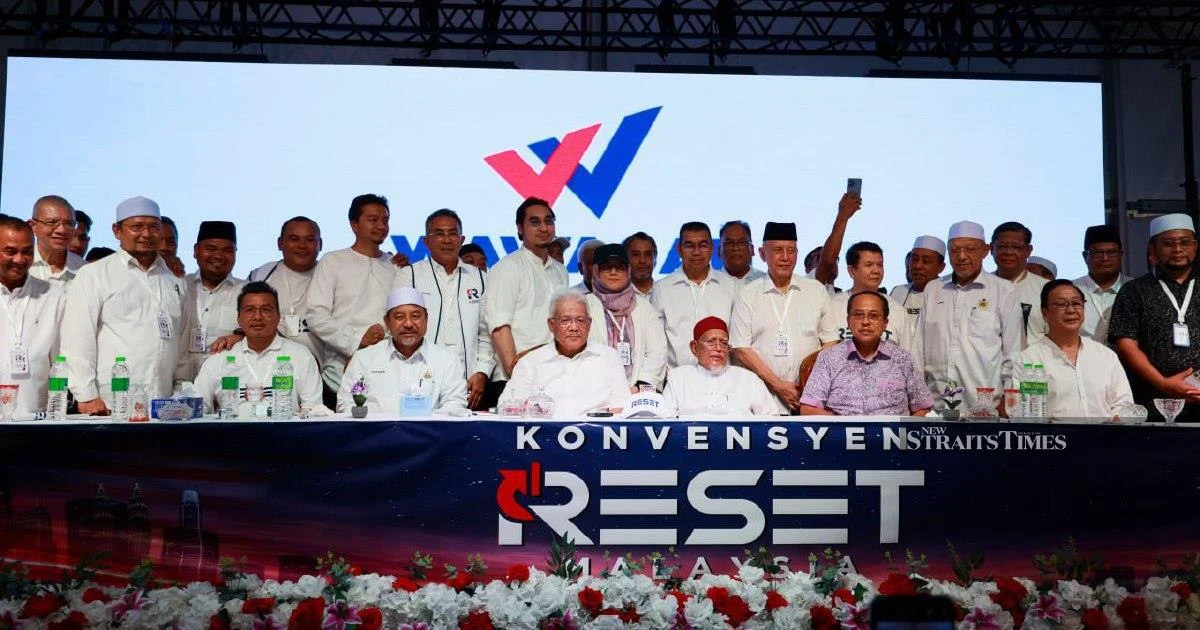
Malaysia's Perikatan Nasional coalition descended into open conflict on Wednesday when Bersatu, one of its constituent parties, openly challenged the procedural validity of an emergency Supreme Council session held the previous evening. The late-night gathering, which approved the admission of Wawasan into the PN framework, has become the focal point of a broader dispute over governance standards and decision-making processes within the opposition alliance.
Bersatu's objections centre on the manner in which the emergency meeting was convened and executed. The party argues that PN chairman Tan Sri Muhyiddin Yassin circumvented established protocols in rushing the Wawasan decision through the Supreme Council without allowing adequate time for proper consultation and deliberation among the coalition's leadership structure. This challenge strikes at the heart of PN's internal cohesion, exposing fault lines that have periodically emerged since the coalition's formation.
The timing of Bersatu's public criticism is particularly significant, coming just hours after the emergency meeting concluded. Rather than resolving the matter through quiet back-channel negotiations, the party chose to air its grievances openly, signalling a breakdown in consensus-building within PN's upper echelons. This approach suggests that the admission of Wawasan was not a decision arrived at through genuine coalition consensus but rather one imposed by the chairman's exercise of executive authority.
Wawasan, as a political entity, represents an attempt to consolidate opposition voices in Malaysia's fractured political landscape. However, its admission into PN has proven more controversial than anticipated, with concerns extending beyond Bersatu to questions about the coalition's strategic direction and the vetting process for new members. The fact that such a significant decision required an emergency midnight session underscores the contentious nature of expanding PN's membership base.
For Malaysian politics more broadly, the dispute illuminates persistent governance challenges within opposition coalitions. Unlike the ruling Perikatan Nasional government at state or federal level, opposition alliances often lack the institutional mechanisms to enforce discipline and ensure smooth decision-making. The absence of clear protocols for emergency meetings, combined with questions about notification and participation requirements, leaves PN vulnerable to charges of arbitrary leadership.
Bersatu's intervention also reveals tactical divisions within the coalition regarding expansion strategy. Some parties may view bringing in Wawasan as diluting PN's core identity and electoral appeal, while others see it as necessary to broaden the opposition's reach. The fact that Muhyiddin apparently felt compelled to rush the decision through an emergency session suggests he anticipated resistance, making his unilateral action perhaps self-defeating in achieving genuine coalition buy-in.
The implications for PN's effectiveness in parliamentary opposition and as a potential alternative government are substantial. Internal coherence and procedural legitimacy are essential for any coalition aspiring to credibility in governance. When the chairman's office appears to override established consultation mechanisms, it raises questions about how PN would function in government, particularly in respecting the autonomy and voice of component parties in decision-making processes.
Bersatu's stance also carries personal and factional undertones, as Muhyiddin and Bersatu leadership have experienced their share of disagreements since the coalition's restructuring. By publicly challenging the procedural validity of the meeting rather than merely opposing Wawasan's admission on substantive grounds, Bersatu is making a broader point about power distribution within PN and the limits of the chairman's authority.
The controversy arrives at a delicate moment for the opposition alliance. PN has been working to position itself as a cohesive alternative to the current government, particularly following recent political realignments. Any perception of internal dysfunction or lack of democratic processes within the coalition could undermine its appeal to voters concerned about institutional governance standards. The public airing of these disputes, while perhaps necessary for transparency, carries reputational costs.
Moving forward, the coalition faces a choice between attempting to repair the damage through formal dialogue and rule-setting, or allowing the dispute to fester and shape ongoing intra-coalition relations. How PN resolves this matter will signal whether the coalition possesses the maturity and institutional sophistication required of an effective governing alternative. The resolution may also establish precedents for how future contentious decisions are made, potentially reshaping the coalition's decision-making architecture.
The Wawasan admission itself remains secondary to the broader constitutional and procedural questions now dominating the discourse. Bersatu's challenge serves as a reminder that Malaysian opposition coalitions, like their counterparts globally, must balance the need for decisive leadership with the demands of democratic consultation and institutional legitimacy.

