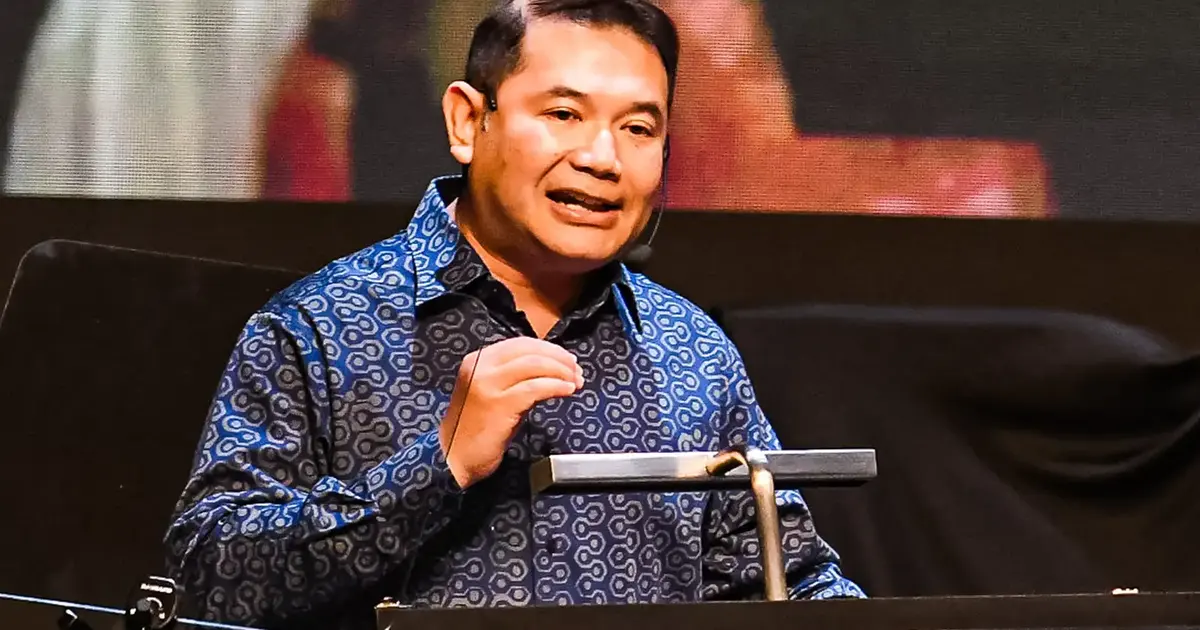
Parti Bersama Malaysia has mobilised 73 volunteers willing to contest in the upcoming Johor state election, signalling the party's determination to expand its footprint in one of the country's most pivotal electoral battlegrounds. Party leader Rafizi Ramli confirmed that the intensive vetting and selection process has concluded, with the definitive list of candidates set for public announcement on Friday.
The readiness of dozens of party members to step forward reflects growing grassroots interest in Bersama as a political force seeking to reshape Malaysia's electoral landscape. The party has been actively building its organisational machinery since its registration, and this candidate push in Johor represents a significant test of that expansion strategy. Johor, as the second-most populous state and an economic powerhouse, carries outsized importance in national political calculations.
Rafizi's announcement underscores Bersama's ambition to contest state-level elections competitively rather than in nominal fashion. The number of candidates fielded signals serious intent to capture meaningful representation, though the actual strength of these nominees and their prospects will become clearer once the public identifies who made the final cut. Selection committees typically balance considerations including grassroots appeal, professional credentials, local connections, and party loyalty.
For Malaysian observers tracking the fragmentation and realignment of the political middle ground, Bersama's Johor strategy warrants close attention. The party positions itself as an alternative to established coalitions, appealing particularly to urban and middle-class voters dissatisfied with conventional political offerings. A strong showing in Johor could validate that appeal and create momentum for contests elsewhere.
The Johor state election carries particular weight given the state's consistent role as a kingmaker in national politics and its status as a traditional stronghold for the Barisan Nasional coalition. Any breakthrough by Bersama or other newer entrants would signal meaningful shifts in voter sentiment. The state's diverse demographic mix—encompassing urban centres like Johor Bahru, manufacturing hubs, and rural constituencies—makes it a representative microcosm of Malaysian electoral preferences.
Rafizi's confirmation that the selection process is finalised suggests the party has navigated potential internal tensions around candidate allocation. In any large selection exercise, disappointed aspirants sometimes create friction that affects party cohesion. By closing this chapter decisively, Bersama aims to move into campaign mode with unified messaging rather than lingering grievance.
The announcement comes as political parties across the spectrum intensify preparations for various state elections expected within the coming year. Electoral volatility has characterised Malaysian politics in recent years, with voters increasingly willing to punish underperforming governments and test new alternatives. This fluidity creates openings for parties willing to invest resources and demonstrate serious organisation.
Bersama's candidate numbers suggest the party will contest most or all state seats in Johor, assuming the 73 volunteers are distributed across constituencies. This blanket coverage strategy maximises the party's visibility and data-gathering opportunities even in seats it does not expect to win, while signalling to supporters that the party can field a credible team nationwide. The alternative—contesting selectively—would limit the party's reach and potentially disappoint supporters in uncontested areas.
The coming Friday announcement will reveal not only names but also demographic and professional profiles of selected candidates. Malaysian voters increasingly scrutinise candidate quality, with weak nominees damaging a party's broader brand perception. Bersama will have calculated carefully which of its 73 volunteers present the strongest public face for the party's modernisation and governance messages.
Johor's electoral dynamics are complicated by the presence of multiple political forces vying for influence, including entrenched Barisan structures, Pakatan Harapan components, and independent-minded politicians. Bersama's entry creates additional fragmentation that could benefit parties that manage clearer messaging and voter targeting. The state's electorate will ultimately judge whether Bersama offers genuine alternatives or merely splits opposition votes to Barisan's advantage.
Rafizi's leadership will be tested in how effectively he converts volunteer enthusiasm into electoral performance. Candidate selection is merely the opening phase; campaign execution, resource mobilisation, and voter engagement over the coming weeks will determine whether Bersama's Johor effort translates into seat gains. The party faces the classic challenger problem of building credibility while lacking incumbent advantages that established parties leverage.

