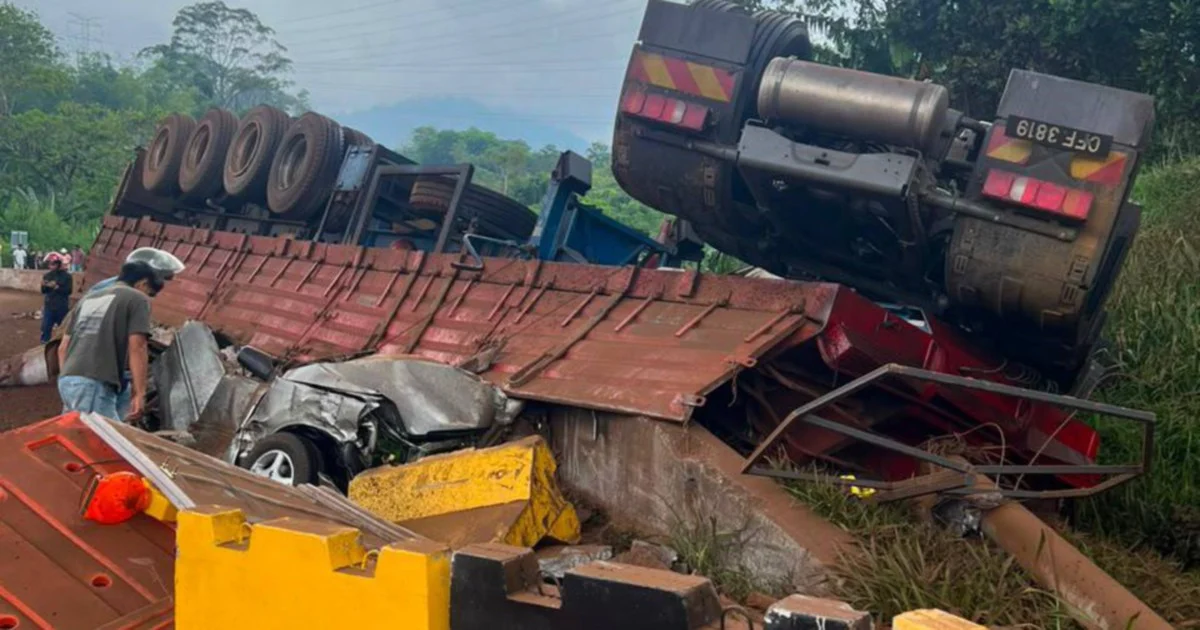
Police in Pekan have freed the trailer driver involved in a fatal June 14 collision near Bentong following his appearance before authorities, with his release granted on bail pending the completion of ongoing investigations and potential prosecution.
The crash, which occurred on the Karak Expressway in the Bentong area, resulted in the deaths of four individuals. The incident triggered significant response from emergency services and sparked immediate enquiries into the circumstances leading to the collision. The decision to grant bail reflects standard procedural protocol allowing the accused to remain free while authorities gather evidence and compile their case.
Releasing individuals on bail before formal charges are filed remains common practice in Malaysian traffic fatality investigations, particularly when preliminary assessments are still underway. This approach enables law enforcement to conduct thorough examinations without immediate custodial detention, while ensuring the suspect remains available for questioning and potential court proceedings. The bail conditions typically include reporting requirements and restrictions on travel, ensuring the accused cooperates fully with the investigation.
Expressway accidents involving heavy vehicles such as trailers warrant intensive scrutiny due to their severity and potential to cause multiple fatalities. The Karak Expressway, a critical north-south corridor connecting Kuala Lumpur with Pahang, experiences substantial traffic volumes daily. Incidents on this route carry particular significance given its importance to regional commerce and tourism flows, affecting logistics operations across peninsular Malaysia.
Investigators will likely examine multiple factors contributing to the collision, including the driver's condition at the time of the incident, vehicle maintenance records, weather conditions, and road circumstances. Authorities may also analyse dashcam footage, witness statements, and examine whether speed, mechanical failure, or driver fatigue played roles in the tragedy. Modern forensic analysis increasingly incorporates accident reconstruction specialists who can determine vehicle trajectories, impact points, and contributing mechanical factors.
Traffic fatalities involving commercial vehicles frequently trigger broader discussions about driver welfare standards, vehicle inspection regimes, and expressway safety protocols. Heavy vehicle drivers operating on long-distance routes often face demanding schedules that can contribute to fatigue, a recognised factor in numerous expressway accidents across Southeast Asia. Malaysian authorities have progressively implemented stricter monitoring of rest periods and introduced fatigue detection systems on certain commercial routes.
The four fatalities represent a significant human tragedy with implications extending beyond the immediate families affected. Such incidents typically prompt reviews of safety procedures and can influence policy discussions regarding commercial vehicle operations on major expressways. Previous major collisions on Malaysian expressways have occasionally resulted in enhanced safety recommendations and implementation of additional preventive measures.
Prosecution in such cases depends substantially on investigation findings regarding culpability. Malaysian road traffic law recognises degrees of responsibility, and charges may range from causing death by dangerous driving to lesser traffic violations, depending on circumstances established through enquiry. The bail release indicates authorities have not yet determined sufficient grounds for immediate detention, though investigation remains ongoing.
The Bentong collision adds to Malaysia's ongoing concerns regarding expressway safety. Annual statistics consistently show significant casualties from commercial vehicle incidents, prompting stakeholder discussions involving transport authorities, logistics operators, and road safety advocates. Enhanced driver training standards, improved vehicle inspection protocols, and greater emphasis on rest period enforcement represent recurring themes in safety improvement initiatives.
For families of the four deceased individuals, the investigation's progression towards potential prosecution provides a pathway toward justice and accountability. Malaysian courts have previously imposed substantial penalties in fatal traffic cases involving commercial drivers, reflecting the gravity of such incidents. The investigation's thoroughness will significantly influence eventual judicial outcomes and sentencing considerations.
The release on bail does not prejudge investigation findings or potential prosecution outcomes. Authorities continue gathering evidence necessary to establish circumstances of the collision comprehensively. This phase typically involves technical analysis, witness coordination, and forensic examination, processes requiring weeks or months depending on complexity. During this period, the accused's bail conditions ensure cooperation with continuing enquiries while preserving his presumption of innocence pending formal charge and trial proceedings.

