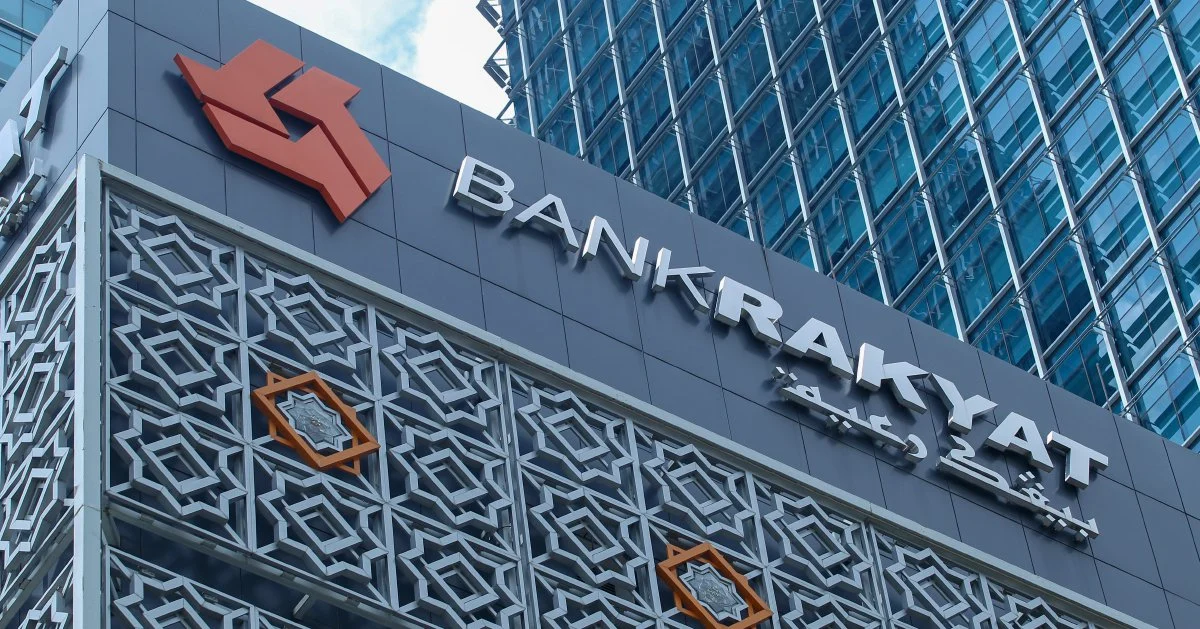
Bank Rakyat, one of Malaysia's key development financial institutions, has tapped the Islamic bonds market to secure RM300 million in fresh capital through a sukuk issuance, deploying part of its established RM5 billion subordinated sukuk Murabahah facility to strengthen its balance sheet for future operations.
The issuance represents a strategic capital management decision at a time when Malaysian banks are navigating tighter regulatory requirements and preparing for the digital transformation sweeping across the financial services sector. By opting for sukuk rather than conventional debt instruments, Bank Rakyat has reinforced its alignment with Malaysia's broader strategic positioning as a global Islamic finance hub, a competitive advantage that distinguishes the institution in regional markets.
Subordinated sukuk, the instrument through which this capital raise was executed, occupies a specific tier in a bank's funding hierarchy. Unlike senior debt, subordinated instruments rank junior to depositor liabilities but ahead of equity holders in the event of insolvency, making them an efficient way to bolster what regulators term Tier 2 capital. This classification is crucial for maintaining compliance with Bank Negara Malaysia's prudential standards and maintaining requisite capital ratios that reflect financial stability and the ability to absorb unexpected losses.
Bank Rakyat's RM5 billion sukuk Murabahah facility, which was approved earlier by Islamic finance authorities, provides the institution with substantial flexibility to conduct multiple issuances without requiring fresh approvals each time. This framework approach has become increasingly standard among Malaysian banks seeking to manage their capital needs dynamically. The Murabahah structure, one of several Shariah-compliant mechanisms for Islamic financing, involves cost-plus financing arrangements that have proven popular in development banking circles throughout Southeast Asia.
The timing of this capital raise aligns with broader industry trends in Malaysia's banking sector. Financial institutions are increasingly recognising the value of deepening their capital buffers beyond regulatory minimums, particularly given uncertainties surrounding economic growth trajectories and potential credit quality pressures in certain borrower segments. For a development bank like Bank Rakyat, which traditionally focuses on underserved communities and small and medium-sized enterprises, maintaining robust capital reserves becomes essential for absorbing potential loan losses while sustaining lending commitment to its target constituencies.
Regional observers note that Malaysian banks have been particularly active in the sukuk market during recent years, with several major institutions conducting similar issuances. This activity reflects both the receptiveness of Islamic finance investors to bank debt securities and the strategic advantage banks derive from accessing this investor base. The sukuk market's growth has created opportunities for financial institutions to achieve lower funding costs compared to conventional debt markets, particularly during periods when demand for Shariah-compliant securities from global and regional investors remains robust.
For Bank Rakyat specifically, the capital injection supports strategic priorities including technology infrastructure investment, digital banking capability expansion, and enhanced lending capacity to key demographic segments. The institution has increasingly positioned itself as a bridge between traditional banking services and emerging digital channels, a positioning that requires sustained investment in both technology and human capital. Capital strengthening ensures the bank can fund these initiatives while maintaining safety standards that protect depositor interests and system-wide financial stability.
The broader implications for Malaysia's financial system are noteworthy. When development banks strengthen their capital positions, they typically enhance their ability to sustain countercyclical lending during economic downturns, providing crucial support to SMEs and individuals who might otherwise face credit rationing from profit-focused commercial institutions. This characteristic of development banks contributes meaningfully to Malaysia's economic resilience and inclusive growth objectives outlined in national economic policy frameworks.
The issuance also demonstrates confidence in Bank Rakyat's financial standing and business model among sukuk investors, who conduct rigorous assessment of issuer credit quality and structural features before committing funds. Successful sukuk placements essentially carry market endorsement of an institution's creditworthiness and growth prospects, providing the institution with both capital and external validation. This endorsement matters considerably in competitive financial markets where institution reputation directly influences both funding costs and customer confidence.
Looking ahead, Bank Rakyat's access to subordinated sukuk funding mechanisms positions the institution well to navigate evolving regulatory requirements and competitive pressures. As Bank Negara Malaysia continues refining prudential standards to reflect international best practices and emerging financial system risks, development banks benefit from having adequate capital buffers that accommodate stricter requirements without constraining lending operations. The RM300 million raise thus represents a proactive positioning rather than a reactive scramble for capital adequacy.
The issuance also reflects Malaysia's matured Islamic finance infrastructure, where investors, arrangers, and regulatory authorities have developed sophisticated capacity to structure and execute large securities offerings efficiently. This infrastructure increasingly attracts regional and global capital seeking Shariah-compliant investments, creating beneficial conditions for Malaysian borrowers seeking to tap international investors at competitive rates. Bank Rakyat's successful raise validates these market conditions and provides a template for other development-oriented institutions considering similar approaches.

