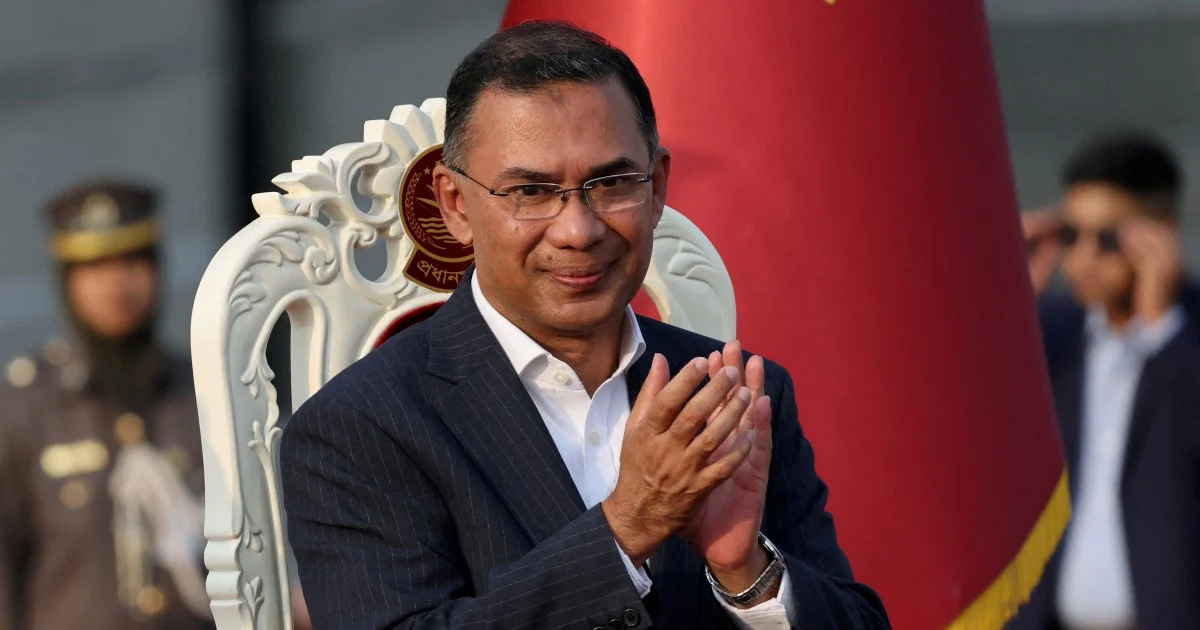
Bangladesh Prime Minister Tarique Rahman touched down in Sepang today, marking the beginning of an official visit designed to reinforce the longstanding partnership between Dhaka and Kuala Lumpur. The high-level diplomatic mission signals renewed commitment from both nations to deepen engagement across economic, cultural, and strategic dimensions that have historically bound the two countries together in the broader South and Southeast Asian context.
The timing of this visit carries particular significance as both nations navigate the evolving geopolitical landscape of Asia. Bangladesh, positioned as a crucial player in South Asia with its demographic and economic weight, has increasingly sought to strengthen partnerships beyond its immediate region. Malaysia, as a leading Southeast Asian economy and ASEAN member, represents a strategic gateway for Bangladesh to expand its influence and secure partnerships in the broader Indo-Pacific arena. This meeting at the highest political level underscores the mutual recognition that closer cooperation serves the interests of both nations.
Bilateral relations between Bangladesh and Malaysia have historically been anchored in shared Islamic heritage and common developmental aspirations. Both nations have pursued comparable economic strategies focused on attracting foreign investment, building manufacturing capabilities, and transitioning toward higher-value industries. The visit provides an opportunity to evaluate progress in existing cooperation frameworks and identify new avenues for collaboration that could benefit both economies in an increasingly competitive regional environment.
Trade and investment cooperation represents one of the most tangible dimensions of the relationship. Malaysian investors have shown sustained interest in Bangladesh's growing market and manufacturing potential, while Bangladeshi businesses have similarly explored opportunities across Malaysia's developed financial and services sectors. Officials are likely to discuss mechanisms for streamlining cross-border investment processes, facilitating business-to-business connections, and addressing any impediments to smoother commercial exchange that might have accumulated since their last high-level engagement.
Beyond economics, cultural and people-to-people exchanges form the emotional and social foundation of the bilateral relationship. Educational partnerships, particularly in higher learning and technical skills development, have allowed thousands of Bangladeshi students to study in Malaysia while gaining exposure to Southeast Asian development models. Tourism and cultural diplomacy initiatives can further enrich this dimension, creating broader constituencies within both nations invested in the success of closer ties.
The visit also contextualizes Bangladesh's broader foreign policy positioning. Under Tarique Rahman's leadership, Bangladesh has worked to maintain balanced relations across multiple power centers while advancing its own development agenda. Malaysia, similarly, has pursued an independent foreign policy that leverages its position as a bridge between different regions and civilizations. This alignment of diplomatic philosophies suggests that both nations see value in cooperation as a means of strengthening their respective positions without compromising sovereignty or becoming entangled in zero-sum competition between larger powers.
Regional connectivity initiatives present another area ripe for collaboration. Bangladesh's strategic location along major maritime and land trade routes, combined with Malaysia's well-developed logistics and port infrastructure, creates opportunities for joint ventures in transportation, shipping, and supply chain development. The two nations could collaborate on developing regional corridors that benefit not only themselves but contribute to broader ASEAN-South Asia integration efforts, which remain underdeveloped compared to other regional groupings.
Technology and innovation cooperation also merits attention during this visit. Both nations have identified digital transformation and technological advancement as critical to sustaining competitive advantage. Partnerships in information technology, telecommunications, and knowledge transfer could accelerate development in both countries while creating employment opportunities and reducing brain drain. Malaysia's more mature tech ecosystem could offer valuable lessons and investment opportunities for Bangladesh's burgeoning startup sector.
The visit gains additional importance within the context of ASEAN's engagement with its dialogue partners. Malaysia, as an ASEAN member, can facilitate Bangladesh's deeper integration with Southeast Asia through both bilateral channels and multilateral mechanisms. Enhanced people-to-people contact and institutional linkages would broaden the scope of engagement beyond formal government-to-government relations, creating more resilient partnerships that survive changes in political leadership.
Official discussions will likely address regional security concerns as well, including maritime safety, counterterrorism cooperation, and disaster management. Both nations share interests in maintaining freedom of navigation and stability in the Indian Ocean and Bay of Bengal regions. Cooperation on these fronts would contribute not only to bilateral security but to broader regional stability that benefits all nations in South and Southeast Asia.
For Malaysian audiences, this visit represents an opportunity to strengthen economic ties with a nation of over 170 million people experiencing rapid urbanization and consumption growth. For Bangladesh, deepening relations with Malaysia offers access to Southeast Asian markets and positioning as a bridge between South Asia and ASEAN. The successful outcome of Tarique Rahman's visit will likely be measured not in immediate announcements but in the institutional foundations laid for sustained, multifaceted cooperation over the coming years.

