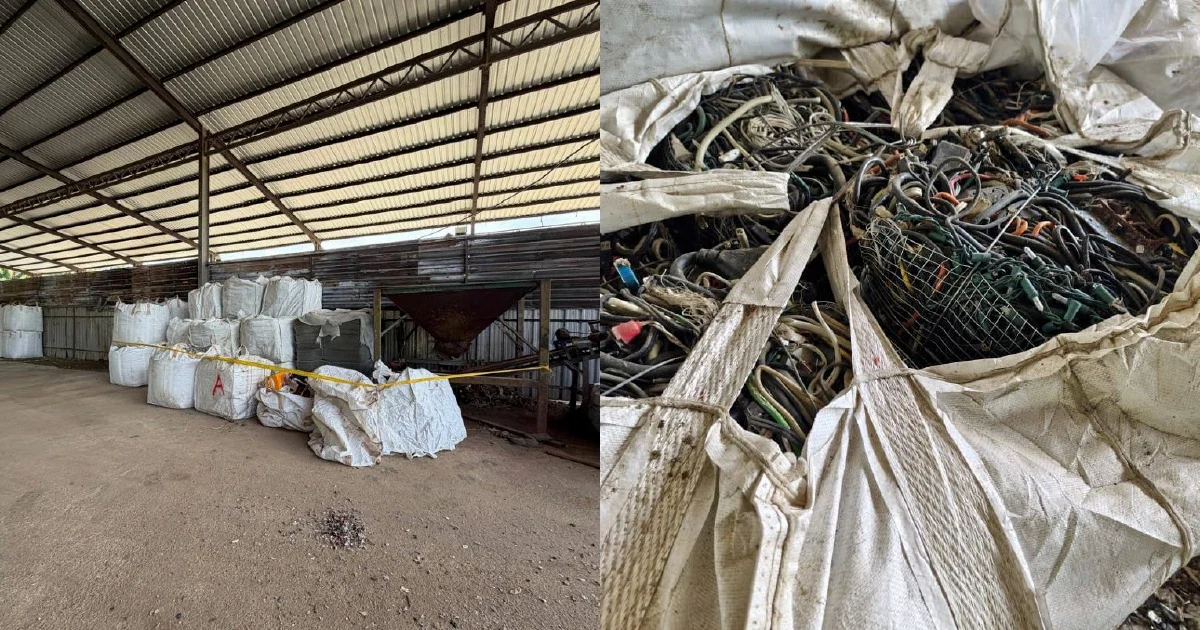
In a significant crackdown on environmental crime, enforcement authorities conducted a raid on an unlicensed electronic waste handling facility in Bukit Mertajam, resulting in the confiscation of materials valued at approximately RM3 million and the arrest of five individuals connected to the illegal operation.
The facility, which had been operating without proper licensing and environmental approval, was engaged in the processing and storage of discarded electronic equipment sourced through unauthorised channels. Such facilities pose substantial risks to both public health and the broader environment, as e-waste typically contains hazardous substances including lead, mercury, and cadmium that can contaminate soil and water systems when improperly handled. The discovery underscores the persistent challenge of managing Malaysia's growing volume of electronic waste through illicit networks that circumvent regulatory oversight.
The enforcement action reflects intensifying efforts by Malaysian authorities to combat the proliferation of illegal e-waste operations across the country. The scale of the seizure—measured in millions of ringgit—suggests this was not a small-scale operation but rather an organised venture involving significant infrastructure and logistical capability. Such operations frequently exploit gaps in enforcement capacity, operating in industrial zones or rural areas where monitoring may be less intensive and local communities less aware of regulatory requirements.
Electronic waste management has become increasingly critical across Southeast Asia, where rapid technological adoption and short replacement cycles generate enormous quantities of discarded devices. Malaysia, as a developed economy with high electronics consumption, generates substantial e-waste annually. The regulatory framework designates e-waste as hazardous waste requiring specialised handling, treatment, and disposal through licensed facilities. Illegal operations that bypass these requirements create competitive advantages by avoiding compliance costs, thereby undercutting legitimate recyclers and processors.
The arrest of five individuals raises questions about the broader operation's structure and supply chains. Investigations into such cases typically reveal networks involving collectors, transporters, and processing operators, often spanning multiple states and involving both local entrepreneurs and transnational criminal elements. The interrogation phase will likely focus on identifying sources of the e-waste, destinations for processed materials, and financial flows—information crucial for disrupting the entire supply network rather than merely addressing symptoms.
The economic value attributed to the seized materials—RM3 million—reflects the significant resources locked within electronic waste. Recovered copper, gold, aluminium, and rare earth elements from circuit boards and other components possess genuine commodity value. This economic incentive is precisely why illegal operations flourish; they extract value from discarded electronics while externalising environmental and health costs to society. Legitimate recyclers must invest substantially in pollution control systems, worker safety measures, and environmental monitoring, increasing operational costs that illegal competitors simply ignore.
From a regulatory standpoint, this enforcement action demonstrates the capabilities of Malaysian authorities when resources are deployed strategically. However, the persistence of such operations suggests that enforcement frequency remains insufficient as a deterrent. Illegal e-waste facilities continue emerging across the country because the financial returns are substantial while risks of detection or prosecution remain manageable for operators. Addressing this requires not only more frequent enforcement actions but also enhanced coordination between environmental agencies, local authorities, and customs officials to intercept e-waste at borders and shipping points.
The implications extend beyond Malaysia's borders. Southeast Asia has become a destination for e-waste from developed economies, with some material legitimately imported for licensed recycling but substantial quantities entering through smuggling networks. Bukit Mertajam's location in Penang, a major port and commercial hub, positions it strategically within these transnational flows. Illegal facilities in Malaysia may not only process locally-generated waste but also material diverted from international streams, effectively serving as regional processing hubs for organised networks.
For Malaysian consumers and businesses, this raid reinforces the importance of responsible e-waste disposal through authorised channels. The Department of Environment maintains a registry of licensed e-waste recyclers and processors; directing discarded electronics through these legitimate facilities supports environmental protection and denies revenue to criminal operations. Corporate entities generating substantial quantities of electronic waste have both regulatory obligations and corporate responsibility commitments to ensure proper management, yet the availability of cheaper illegal alternatives continues creating temptation.
Looking forward, the effectiveness of this enforcement action will depend on whether it catalyses systemic improvements or remains an isolated intervention. Follow-up actions targeting suppliers, buyers of processed materials, and facility landlords would strengthen deterrent effects. International cooperation with regional counterparts and developed economies sending e-waste to Asia could address root causes by reducing waste streams destined for illegal processing. Additionally, investment in licensing and support for legitimate recyclers creates legal alternatives and formal employment while building a sustainable domestic e-waste management sector aligned with environmental and economic objectives.