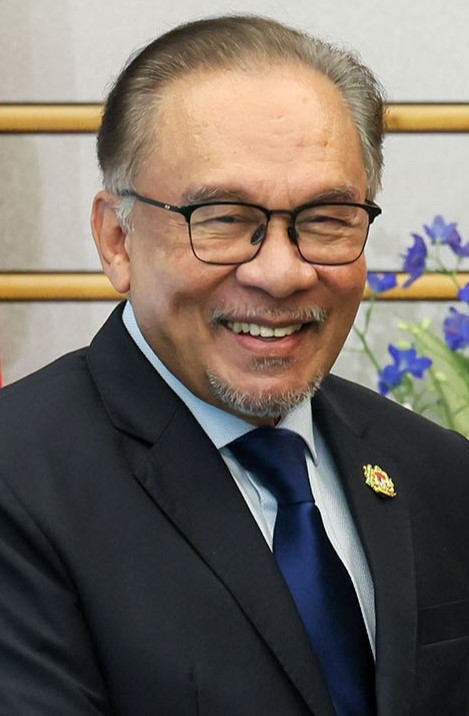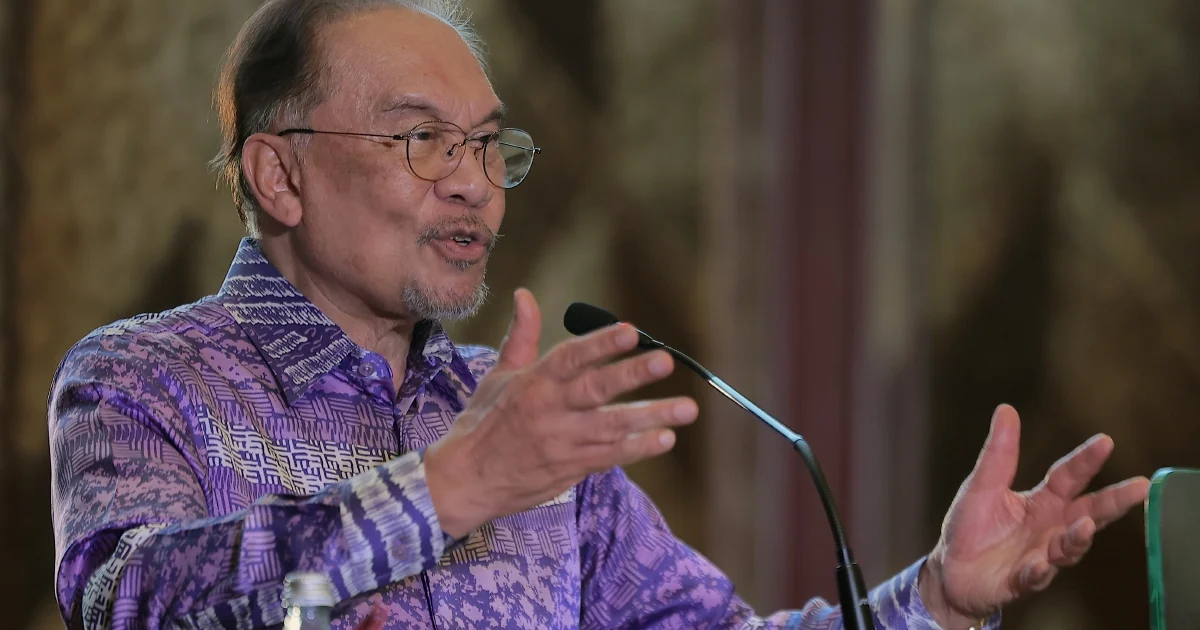
Prime Minister Datuk Seri Anwar Ibrahim will undertake a two-day working visit to Kazan beginning June 17, during which he is expected to hold talks with Rais of the Republic of Tatarstan Rustam Minnikhanov. The trip represents a significant diplomatic initiative to strengthen bilateral relations between Malaysia and Russia, while also advancing broader regional cooperation between the Association of Southeast Asian Nations and Moscow, according to Malaysian envoys involved in the planning.
The scheduled engagement in Kazan comes at a particularly significant juncture in international relations, where Southeast Asian nations are carefully navigating their diplomatic positioning amid geopolitical tensions and shifting global alliances. Malaysia, as a non-aligned nation with longstanding foreign policy principles, has maintained constructive relations with multiple power centres, and this visit underscores Kuala Lumpur's commitment to diversifying its partnerships beyond traditional Western alignments.
Kazan holds particular strategic importance as the capital of Tatarstan, a major Russian republic with substantial economic and political influence within the Russian federation. The city has emerged as a hub for international engagement and cooperation, hosting various forums and diplomatic initiatives that bring together nations seeking to explore new avenues for collaboration across trade, investment, and cultural exchange. By choosing Kazan as the venue for high-level engagement, Malaysia demonstrates its willingness to engage with regional actors within Russia and explore opportunities beyond Moscow's traditional power structures.
The bilateral discussions between Malaysia and Tatarstan are expected to encompass multiple dimensions of cooperation. Trade and investment opportunities, particularly in sectors such as halal products, palm oil, petrochemicals, and advanced manufacturing, are likely to feature prominently in the agenda. Given Malaysia's position as a global leader in the halal industry and Tatarstan's substantial Muslim population, there exists considerable potential for expanding commercial partnerships that could benefit both regions economically.
Beyond bilateral matters, the visit reflects Malaysia's broader commitment to enhancing Asean-Russia relations. As the regional bloc seeks to maintain strategic autonomy and develop multifaceted partnerships across the Indo-Pacific, engagement with major powers like Russia remains strategically important. Southeast Asia's economic dynamism and geopolitical significance make it an attractive partner for Moscow, particularly as Russia navigates its international positioning and seeks to strengthen ties with non-Western partners.
The timing of Anwar's visit carries additional significance within the context of Malaysia's diplomatic calendar and regional leadership aspirations. By hosting high-level exchanges and engaging with significant international actors, Malaysia reinforces its position as a major player in regional affairs capable of facilitating dialogue and fostering cooperation across diverse geopolitical contexts. Such engagements also strengthen Malaysia's ability to advocate for Asean interests on the international stage and promote the association's central role in regional architecture.
Cultural and people-to-people exchanges are expected to feature within the broader framework of this diplomatic engagement. Malaysia's substantial Muslim-Malay population and Russia's significant Muslim communities in regions like Tatarstan provide natural foundations for cultural understanding and cooperation. Educational partnerships, tourism initiatives, and cultural programmes can complement government-to-government interactions and create lasting bonds between the peoples of both nations.
The Malaysian government's diplomatic approach reflects a nuanced understanding of contemporary international relations, where smaller and medium-sized nations must carefully balance relationships with multiple partners to maximize benefits and minimize vulnerabilities. By engaging constructively with Russia while maintaining ties with Western partners and other regional actors, Malaysia exemplifies the non-aligned principle that has historically guided its foreign policy.
Diplomats emphasize that such visits contribute to building trust and understanding between nations, creating frameworks for ongoing dialogue and cooperation. The working nature of Anwar's visit indicates a focus on substantive discussions rather than ceremonial interactions, suggesting serious intent to advance concrete agreements and partnerships. Follow-up mechanisms established during such high-level meetings often prove instrumental in translating diplomatic goodwill into tangible collaborative outcomes.
For Malaysian businesses and investors, the visit opens doors to exploring opportunities within Russian markets, particularly in regions like Tatarstan that have been actively seeking international partnerships. Similarly, Russian investors may find Malaysia's stable political environment, advanced infrastructure, and strategic location attractive for expanding their regional operations. Such economic connections often prove more enduring than purely diplomatic ties, creating interdependencies that strengthen overall bilateral relations.
The broader context of Asean-Russia relations suggests that individual member states engaging constructively with Moscow contributes to the association's collective diplomatic strategy. By maintaining multiple channels of engagement, Asean enhances its ability to promote dialogue, peaceful resolution of disputes, and cooperative frameworks that benefit all regional stakeholders. Malaysia's diplomatic initiative aligns with this broader regional approach to international relations.
As geopolitical complexities continue to shape the international environment, Malaysia's commitment to balanced, principled diplomacy provides a model for how mid-sized nations can navigate competing interests and advance their national interests while contributing to regional stability. The Kazan visit represents not merely a bilateral exchange but a demonstration of Malaysia's strategic sophistication and diplomatic acumen in contemporary international affairs.