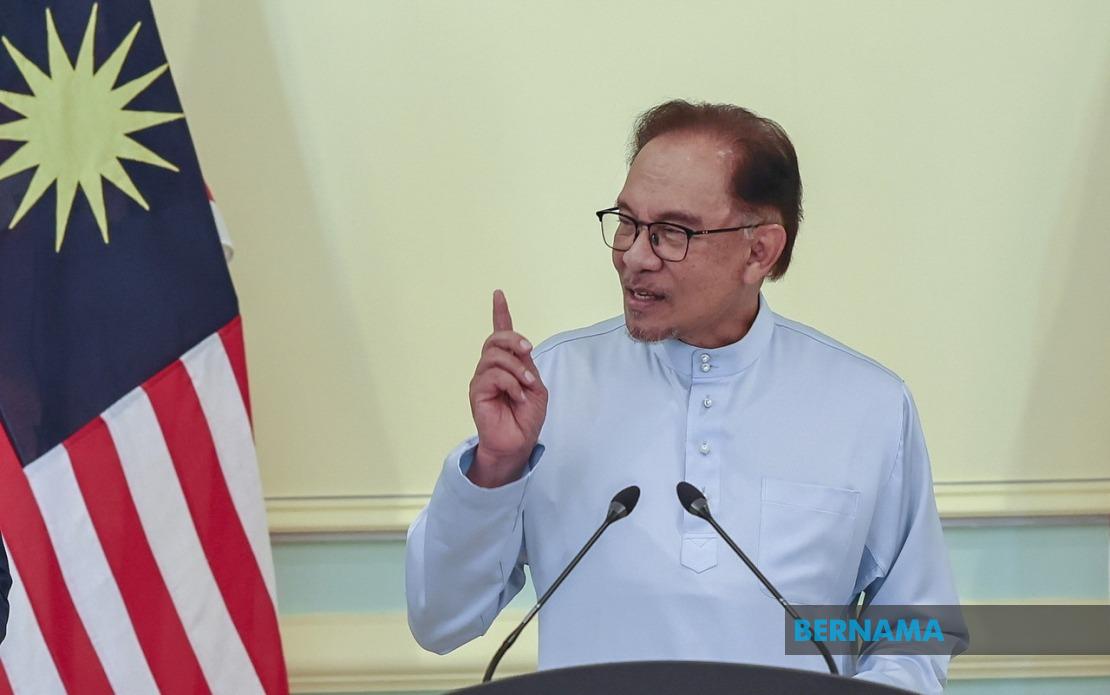
Prime Minister Datuk Seri Anwar Ibrahim's diplomatic response to the humanitarian catastrophe unfolding in Gaza merits recognition for its coherent integration of moral conviction, legal frameworks and humanitarian commitment, according to Universiti Pertahanan Nasional Malaysia's Honorary Professor Dr Mizan Aslam. The analysis reflects growing scrutiny of how Malaysia positions itself on one of the world's most intractable conflicts, where emotional appeals must be matched by substantive policy action and institutional engagement.
What began as a bilateral dispute between Israel and Palestine has evolved into something far more troubling, Mizan argues—a test case exposing fundamental failures in the international rules-based order. The structures created to prevent mass atrocities, protect civilians and enforce humanitarian law have proven inadequate against the scale of destruction witnessed over more than a thousand days of conflict. Major powers have either remained passive or actively enabled continued fighting through military support, while multilateral institutions struggle to enforce accountability.
The human toll documents this institutional collapse in stark numerical terms. Official figures place the death toll at 73,066 people, with 173,514 others wounded and over 5,400 survivors living with permanent disabilities or missing limbs. Among the dead are 21,730 children, while 45,113 children have suffered injuries and 59,054 have lost both parents. These numbers represent not merely statistics but broken families, destroyed childhoods and generational trauma that will shape Palestinian society for decades.
The physical infrastructure mirrors this human devastation. More than nine in ten structures across Gaza have sustained damage or complete destruction. Residential areas have been particularly hard hit, with 92 percent of homes affected. The territory's basic life-support systems have similarly collapsed—water and sanitation infrastructure has been demolished to a 90 percent rate, leaving over nine in ten households severely short of clean water. This combination of displacement, homelessness and broken utilities has triggered secondary humanitarian crises extending far beyond active combat zones.
Malaysia's response has transcended ceremonial solidarity or statements confined to diplomatic channels. The country's support for South Africa's genocide case against Israel at the International Court of Justice represents a deliberate choice to pursue accountability through established legal mechanisms rather than merely condemn actions rhetorically. By aligning with a formal legal challenge grounded in the 1948 Genocide Convention, Malaysia signals that this is not merely a political dispute but one involving potentially systematic crimes demanding judicial scrutiny.
Anwar has simultaneously mobilised multilateral platforms to intensify pressure. His interventions at the Arab-Islamic Extraordinary Summit pushed for concrete steps beyond rhetorical support: accelerated action against atrocities, reinforced backing for UNRWA as the primary humanitarian lifeline, and international restrictions on weapons supplies enabling continued operations. This multi-channel approach recognises that middle-power nations like Malaysia amplify their influence by channelling positions through collective international voices rather than acting in isolation.
Malaysia's humanitarian commitment extends beyond diplomatic messaging into material assistance. An initial allocation of RM100 million for humanitarian aid addresses an immediate crisis where 1.97 million people confront acute food insecurity. The situation has deteriorated into famine conditions for 641,000 individuals—a situation incomprehensible outside active conflict zones. Child malnutrition statistics further underscore the crisis: 17,800 cases among children under five were recorded in 2025, climbing to nearly 69,000 cases of severe malnutrition by mid-2026. Meanwhile, 466 deaths have been attributed to malnutrition, numbers that would trigger international emergency declarations in any other context.
The collapse of healthcare delivery systems compounds these humanitarian emergencies. Forty hospitals and 158 primary healthcare centres have sustained direct attacks, part of 825 documented strikes against medical facilities. These attacks have killed 1,723 healthcare workers and resulted in the detention of another 362 medical personnel. The deliberate targeting of hospitals represents perhaps the clearest violation of humanitarian law, since medical facilities traditionally receive protected status under Geneva Conventions. When hospitals become battlegrounds, the civilian toll accelerates exponentially.
Anwar's approach fundamentally rejects the notion that a temporary ceasefire represents an adequate endpoint. Instead, Malaysian diplomacy has consistently advocated for comprehensive political settlement establishing a sovereign and viable Palestinian state. This stance reflects commitment to addressing root causes rather than merely halting symptoms. The emphasis on lasting statehood distinguishes Malaysia's position from those seeking only temporary humanitarian pauses or cosmetic political arrangements that leave fundamental grievances unresolved.
This diplomatic posture aligns with Malaysia's long-standing doctrine of 'active non-alignment'—a foreign policy enabling the country to take positions rooted in principle rather than great-power allegiances. The approach prioritises civilian protection, humanitarian access, legal accountability and fundamental self-determination rights. By framing the conflict through these universal principles rather than factional solidarity, Malaysia establishes ethical high ground that transcends regional politics.
The analyst emphasises that Malaysia cannot unilaterally resolve the Gaza crisis through its own actions. However, the country can ensure the issue maintains prominence before international courts, features prominently at global forums, circulates through diplomatic channels and remains embedded in the international community's collective conscience. This represents the practical expression of Anwar's diplomatic philosophy—translating expressions of solidarity into measurable action mechanisms and demanding accountability for alleged violations of international law.

