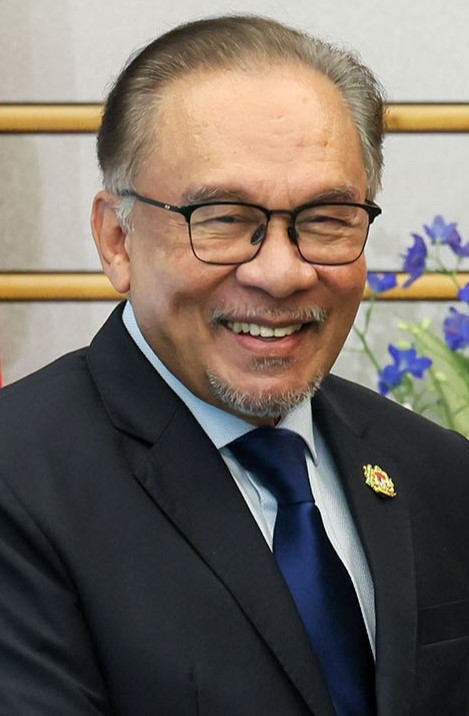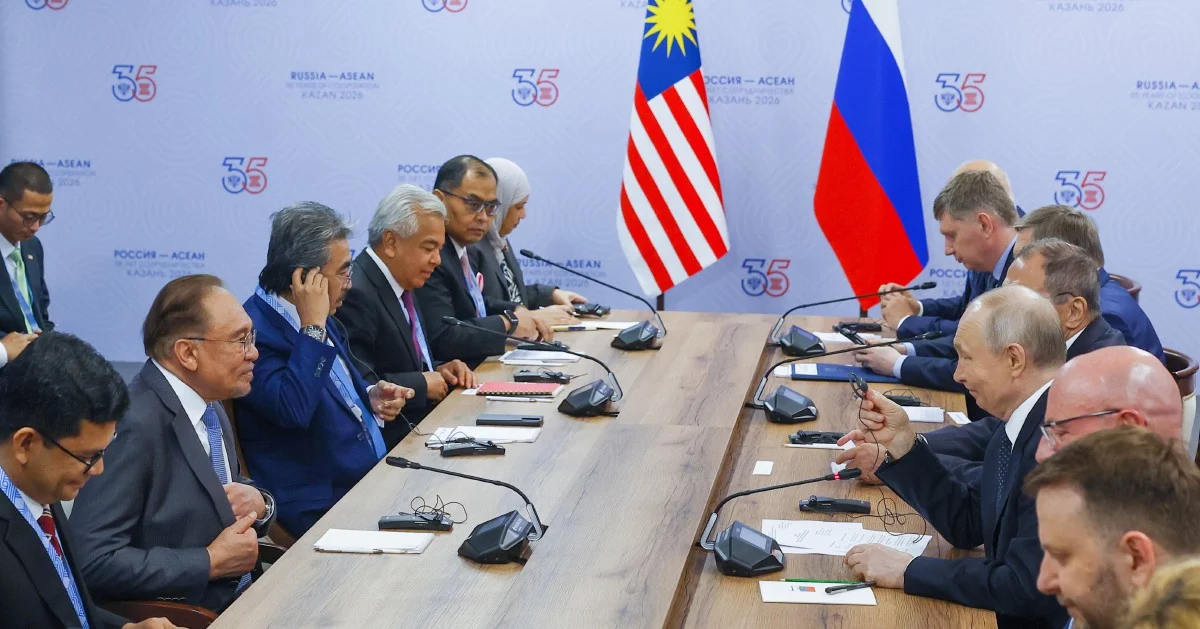
Prime Minister Datuk Seri Anwar Ibrahim has expressed gratitude to Russian President Vladimir Putin for supporting efforts to deepen Malaysia's energy partnership with Petroliam Nasional Bhd, underscoring the growing strategic alignment between the two nations in the hydrocarbon sector. The acknowledgement, made during high-level discussions in Kazan, reflects Malaysia's broader engagement with major energy-producing nations as it seeks to diversify collaborations beyond traditional Western partnerships and within ASEAN.
The exchange comes as Malaysia navigates an increasingly multipolar energy landscape, where alternative suppliers and cooperative frameworks have become essential to national energy security and economic resilience. Petronas, as the custodian of Malaysia's oil and natural gas reserves and a significant regional player in upstream exploration and downstream operations, has emerged as a critical instrument of both economic development and diplomatic engagement. By publicly acknowledging Russian support for such partnerships, Anwar signals that Malaysia views energy cooperation not merely as a commercial transaction but as a pillar of bilateral relations with Moscow.
Russia's backing for Malaysian energy initiatives carries particular weight given Moscow's position as a major global energy producer and its experience navigating international energy markets amid sanctions and geopolitical pressures. For Malaysia, securing Russia's endorsement of Petronas ventures potentially opens pathways for technology transfer, joint investment opportunities, and access to Russian expertise in deep-water exploration and liquefied natural gas operations. The Kremlin's support may also facilitate smoother commercial negotiations and reduce barriers to Malaysian energy companies operating in Russian spheres of influence or accessing Russian-controlled markets.
The timing of this diplomatic gesture reflects Malaysia's careful balancing act in global affairs. While maintaining long-standing security ties with Western nations, including the United States and Australia, Kuala Lumpur has consistently pursued pragmatic engagement with major powers, including China, India, and Russia. Energy cooperation serves as a neutral, commercially-grounded foundation for such relationships, allowing Malaysia to advance national interests without the ideological baggage that often accompanies broader geopolitical alignment. Petronas, as a state-owned entity, provides a vehicle through which Malaysia can conduct such engagement while retaining government oversight and control.
For the broader Southeast Asian region, Malaysia's cultivation of energy partnerships with Russia underscores the shared interest among ASEAN nations in maintaining diverse energy supply chains and avoiding over-dependence on any single supplier or market. Indonesia, Vietnam, and Thailand have similarly pursued energy cooperation with Moscow, recognising that a multipolar energy landscape enhances regional stability and negotiating leverage. Malaysia's actions thus contribute to a broader regional strategy of pragmatic non-alignment in energy matters, even as geopolitical tensions elsewhere create pressure to choose sides.
Petrolas itself has undergone significant transformation in recent years, expanding its footprint in liquefied natural gas production and downstream petrochemical operations while managing the transition toward cleaner energy sources. The company's international ventures, particularly in frontier markets and alongside state-owned enterprises from other nations, require governmental backing and diplomatic support. Putin's endorsement of Malaysia-Petronas cooperation signals that Russia views such partnerships as mutually beneficial, whether through joint ventures, technology sharing, or preferential access to energy supplies.
The exchange between Anwar and Putin also carries implications for Malaysia's energy security strategy. As domestic oil and gas reserves gradually deplete and production costs rise, Malaysia faces mounting pressure to secure energy supplies from neighbouring and distant sources. Diversified partnerships with energy-rich nations like Russia provide insurance against supply disruptions and help stabilise domestic fuel prices. Additionally, cooperation with Russia may offer Petronas access to alternative financing mechanisms, particularly important given Western financial institutions' increasing wariness of energy sector investments in light of climate change commitments.
From a domestic perspective, Anwar's public appreciation of Russian support reflects his administration's emphasis on economic pragmatism and attraction of foreign investment. Energy sector cooperation, underpinned by bilateral political goodwill, creates the conditions for commercial success and positions Malaysia as a reliable energy partner on the global stage. This approach resonates with stakeholders within Malaysia's oil and gas industry, who have advocated for more aggressive international expansion and partnerships to sustain economic contributions and employment.
Looking ahead, the strengthened diplomatic framework around energy cooperation may facilitate concrete projects, such as joint exploration ventures, liquefied natural gas offtake agreements, or downstream collaborations in petrochemical refining. Such initiatives would deepen the economic interdependence between Malaysia and Russia, creating mutual incentives for maintaining stable relations despite external geopolitical pressures. For Malaysian companies operating in energy-intensive sectors, reliable energy partnerships with Russia could enhance competitiveness and reduce input costs, indirectly supporting broader economic growth objectives.
The Kazan discussion illustrates how energy cooperation has become a primary vehicle for Malaysia's diplomatic engagement with major powers, transcending traditional Cold War-era categories of alignment. By positioning energy partnerships as apolitical commercial arrangements underpinned by mutual benefit, Malaysia and Russia construct a framework for deepening ties that can withstand broader geopolitical tensions and ideological differences. For Malaysia, this pragmatic approach offers tangible benefits while preserving strategic autonomy and contributing to regional stability through a diversified, multipolar energy architecture.