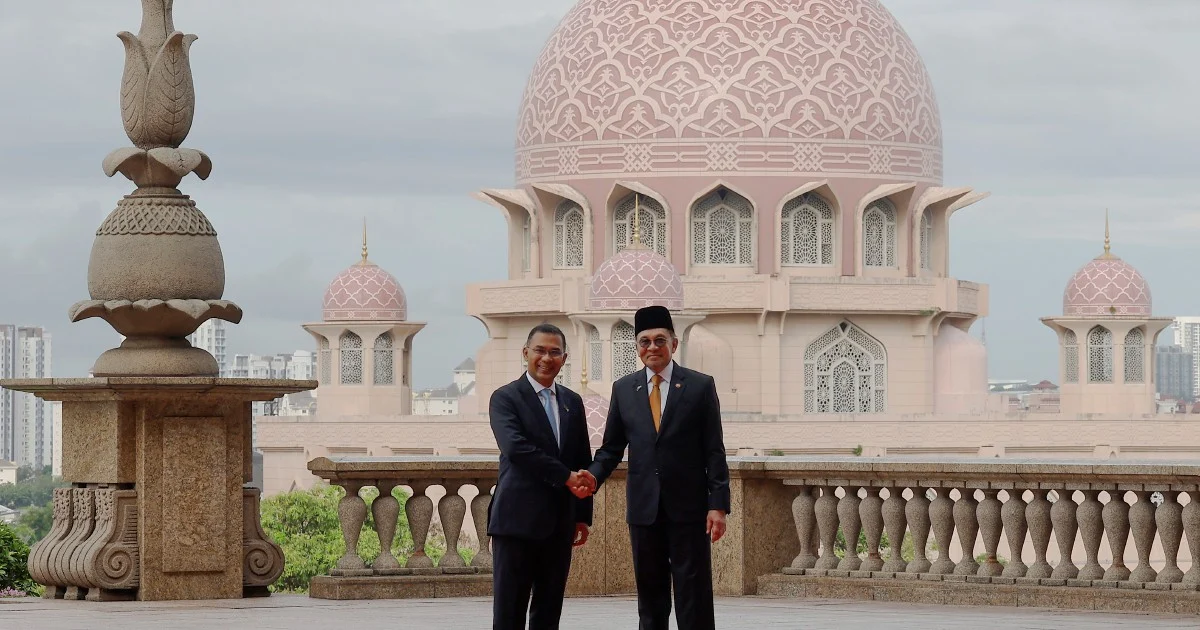
Bangladesh Prime Minister Tarique Rahman arrived in Malaysia for a two-day official visit today, receiving the full ceremonial treatment reserved for heads of state at the Perdana Putra Complex in Putrajaya. The formal reception underscores the significance both governments place on bilateral relations between the two predominantly Muslim nations with deep historical and cultural ties.
The official welcome, presided over by Malaysian Prime Minister Anwar Ibrahim, signals commitment to strengthening diplomatic bonds that have evolved considerably in recent years. Bangladesh, with over 170 million people, represents a substantial regional economic force and strategic partner for Malaysia in South Asia. The timing and formality of the visit reflect renewed momentum in the relationship following previous high-level exchanges.
Tarique Rahman's tenure as Bangladesh's leader has brought renewed focus on economic development and regional cooperation. His presence in Putrajaya indicates willingness from both capitals to explore expanded collaboration across multiple sectors, from trade and investment to cultural and educational exchanges. The ceremonial backdrop of the Perdana Putra Complex, Malaysia's administrative headquarters, emphasises the governmental significance of these discussions.
For Malaysian policymakers, the visit presents opportunities to deepen economic partnerships. Bangladesh has emerged as an increasingly important player in the textile and manufacturing sectors, while Malaysia offers financial services expertise and technology partnerships. Trade between the two nations has grown steadily, though both countries recognise substantial untapped potential for commerce and investment flows.
Regionally, the visit carries implications for South Asian dynamics. Malaysia maintains active engagement across the ASEAN region while cultivating relationships with major South Asian players. Bangladesh's growing maritime interests and development ambitions align with Malaysia's strategic focus on strengthening intra-Asian partnerships that can counterbalance global power concentrations.
The two-day format allows for substantive discussions beyond ceremonial functions. Bilateral agendas typically encompass trade agreements, defence cooperation, student exchange programmes, and collaboration on regional security matters. Both nations share interests in maritime security, counter-terrorism cooperation, and religious dialogue initiatives that resonate within their respective populations.
Cultural dimensions of the visit deserve attention, as Malaysia hosts a significant Bengali-origin population and both nations maintain active academic and artistic exchanges. Educational partnerships have expanded, with Bangladeshi students increasingly pursuing qualifications at Malaysian universities. These people-to-people connections form the bedrock of enduring diplomatic relationships.
From Bangladesh's perspective, cultivating closer ties with Malaysia offers access to Southeast Asian markets through ASEAN frameworks. Malaysian companies operate substantially in Bangladesh's emerging sectors, while Bangladeshi businesses seek Malaysian expertise in financial technology and industrial development. The bilateral relationship thus serves mutual economic interests beyond traditional diplomatic protocols.
The reception at Perdana Putra Complex reflects Malaysia's diplomatic protocol standards for visiting heads of government. Such formal ceremonies communicate respect for visiting dignitaries while reaffirming international standing. For smaller nations or those without permanent security council representation, securing official state visits to major regional powers carries symbolic weight domestically.
Both governments have indicated interest in expanding defence cooperation frameworks. Maritime security cooperation assumes particular importance given shared interests in Indian Ocean stability and countering transnational threats. Regular military-to-military dialogue and joint exercises strengthen operational understanding between defence establishments.
The visit occurs within a broader context of Malaysia-South Asia engagement. Recent regional developments have prompted ASEAN nations to strengthen non-alignment strategies through diversified partnerships. Bangladesh, as South Asia's most developed economy in recent decades, represents exactly the calibre of partnership that Malaysia seeks to cultivate within its extended neighbourhood.
Outcomes from this visit will likely include joint communiqués addressing shared priorities and possibly new agreements on specific cooperation domains. Observers will monitor whether discussions produce commitments on infrastructure projects, technology transfer, or expanded market access that translate diplomatic warmth into tangible economic benefits for both populations.
Prime Minister Anwar's personal engagement with the Bangladesh delegation signals high-level attention to this relationship. His diplomatic experience and interest in South Asian affairs position Malaysia advantageously for deepening connections that may influence regional stability and economic integration beyond traditional ASEAN frameworks.

