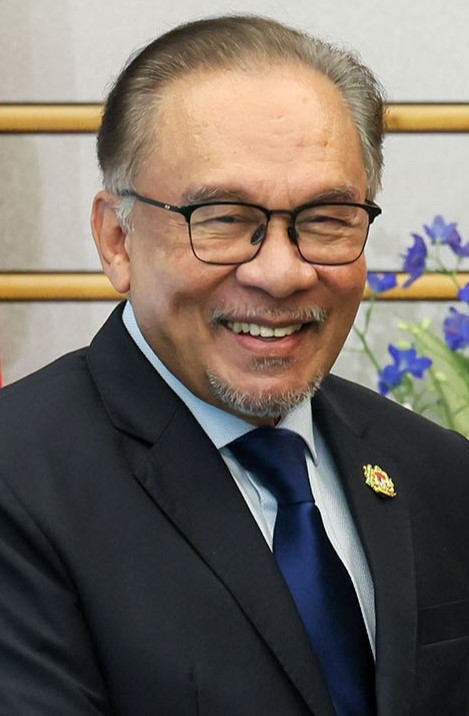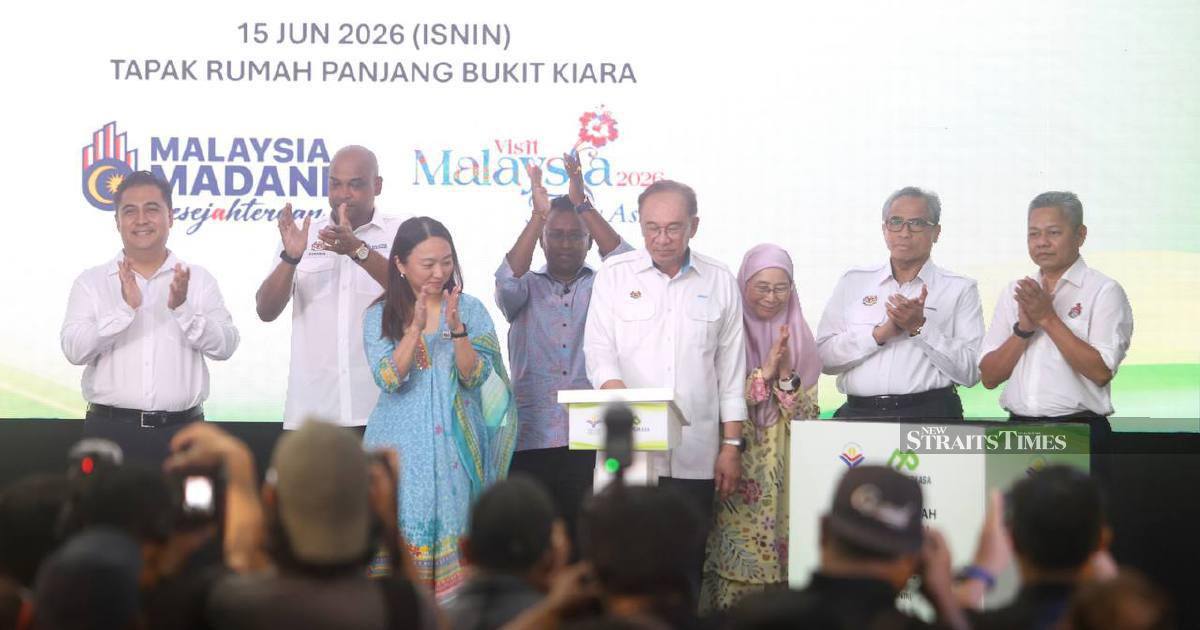
Prime Minister Datuk Seri Anwar Ibrahim has issued a direct appeal to the Malaysian public to resist what he characterises as deliberate efforts to fragment society along racial and ethnic lines. Speaking to the nation, the premier stressed that divisive political campaigns targeting communal identities extract a heavy toll on ordinary Malaysians who have little involvement in high-level political machinations. His remarks come amid a broader discourse about the dangers of identity politics gaining prominence in the regional media landscape.
Anwar's message reflects growing concern within government circles about the weaponisation of racial sentiment in public discourse. The Prime Minister framed the issue not as an abstract political problem but as a concrete matter affecting the daily lives of citizens across Malaysia. His intervention suggests that such divisive campaigns remain a persistent challenge despite the country's multicultural foundation and constitutional protections for religious and racial harmony. The timing of his comments underscores the relevance of maintaining inter-community cohesion as Malaysia navigates complex economic and social challenges.
The Prime Minister's warning carries particular significance given Malaysia's history of communal tensions and the constitutional framework that underpins inter-ethnic relations. Article 153 of the Malaysian Constitution establishes the special position of Bumiputeras and the rights of indigenous communities, creating a delicate balance that requires consistent political maturity to maintain. When politicians weaponise racial grievances, they risk destabilising this carefully calibrated arrangement that has enabled relative peace and coexistence for decades.
Anwar's assertion that ordinary people suffer when political leaders stoke racial animosity speaks to a fundamental economic reality often overlooked in polarised discourse. Communities wracked by ethnic tension experience reduced business confidence, lower foreign investment, brain drain of talented individuals, and social fragmentation that undermines productive cooperation. Malaysia's competitive position in the regional and global economy depends substantially on maintaining an environment where people of different backgrounds work together without fear or suspicion. Divisive campaigns erode this essential social capital.
The appeal also reflects recognition that Malaysia's middle class and younger generations increasingly reject zero-sum racial narratives. Urban professionals, particularly those in knowledge-based industries and digital sectors, understand intuitively that national prosperity requires inclusive growth and collaboration across communal lines. When political actors attempt to mobilise voters through racial messaging, they risk alienating precisely the demographic cohorts whose economic dynamism drives national development. This generational shift represents both a challenge and opportunity for political leadership.
From a regional perspective, Malaysia's approach to managing diversity influences Southeast Asian stability more broadly. The ASEAN community includes multiple nations grappling with similar tensions between national unity and communal identity. Malaysia's experience either as a cautionary tale of destructive identity politics or as a model of inclusive governance carries weight throughout the region. Anwar's intervention therefore has implications extending beyond domestic politics, affecting perceptions of Malaysia's governance maturity among regional partners and international observers.
The challenge for political leadership involves channelling legitimate grievances and group interests into constructive frameworks rather than allowing them to metastasise into zero-sum communal competition. Effective governance requires acknowledging that different communities have distinct interests and concerns whilst simultaneously building common ground around shared prosperity and national objectives. Anwar's framing suggests that the solution lies not in suppressing group identity but in preventing political actors from deliberately amplifying divisions for electoral gain.
Implementing this approach demands sustained institutional commitment and consistent messaging from multiple political leaders. When only certain figures advocate for communal harmony whilst others benefit electorally from division, the overall effect remains negative. Malaysia requires broader political consensus recognising that while healthy debate about policy and distribution of resources is legitimate, stoking ethnic anxiety constitutes a form of political misconduct with measurable social costs. This requires moving beyond rhetorical statements into concrete expectations and accountability mechanisms.
The Prime Minister's warning also highlights the role of media and digital platforms in either amplifying or dampening divisive messages. In an era where social media enables rapid dissemination of inflammatory content, political leaders must actively work to counter narratives designed to polarise. This involves not merely condemning division in abstract terms but consistently articulating visions of national purpose that transcend communal boundaries. Malaysia's diversity, properly understood, represents a competitive advantage rather than a vulnerability requiring defensive communal mobilisation.
Moving forward, addressing divisive campaigns requires vigilance at multiple levels: political party discipline, media literacy efforts among the public, platform accountability for misinformation, and leadership by example from senior government figures. Anwar's intervention signals that this remains a priority for national leadership, though translating rhetoric into measurable improvement in political culture requires sustained effort extending well beyond individual statements.