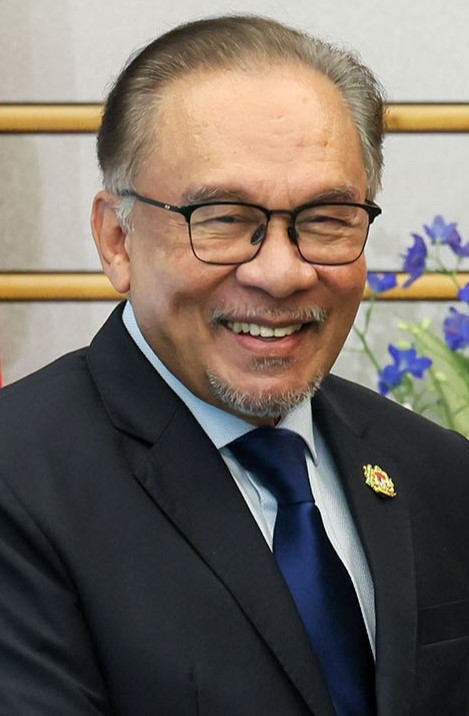
Prime Minister Anwar Ibrahim will depart for Russia tomorrow to pursue critical discussions on Malaysia's energy security, meeting with President Vladimir Putin and fellow ASEAN leaders in what his office characterises as a working visit of strategic importance. The engagement reflects Kuala Lumpur's recognition that stable fuel supplies require proactive diplomatic engagement at the highest levels, particularly when global energy markets face mounting pressures from geopolitical instability.
Anwar outlined his negotiating priorities during a community engagement session in Muar today, emphasising that securing continued oil and diesel flows to Malaysia represents a cornerstone of the government's economic management strategy. The Prime Minister framed energy security not merely as a logistics challenge but as a foundational requirement for maintaining Malaysia's competitive advantage in Southeast Asia, particularly given the nation's dependence on imported petroleum products to fuel its manufacturing and transportation sectors.
The timing of Anwar's journey comes as the region grapples with supply chain vulnerabilities stemming from escalating tensions in West Asia. Recent military operations involving Israel and the United States against Iran have triggered concerns about potential disruptions to shipping through the Strait of Hormuz, a chokepoint through which a significant portion of the world's oil transits daily. Any prolonged closure or restriction of this critical waterway would immediately threaten Malaysia's access to affordable energy and ripple through domestic prices at the petrol pump and across broader economic sectors reliant on fuel stability.
Malaysia's current domestic fuel pricing structure, with RON95 petrol retailing at RM1.99 per litre, represents one of the most competitive rates globally and reflects both government subsidisation policies and the country's ability to negotiate favourable supply arrangements internationally. However, this stability remains contingent upon Malaysia's capacity to maintain uninterrupted import channels and preserve strong relationships with key energy suppliers. Anwar's emphasis on the correlation between diplomatic relations and economic benefits underscores how Malaysia's prosperity increasingly depends on sustained engagement with major global powers.
The ASEAN dimension of Anwar's visit adds another layer of significance, as Southeast Asian nations collectively face similar vulnerabilities regarding energy supply and pricing. By coordinating with fellow regional leaders during meetings with Russian officials, Malaysia can potentially strengthen ASEAN's bargaining position on energy matters while presenting a united front on shared concerns about maritime security and supply chain resilience. Russia's status as a major energy exporter makes such bilateral and multilateral engagement essential for smaller economies seeking to diversify supply sources and secure favourable long-term contracts.
Anwar referenced recent communications with Pakistani Prime Minister Shehbaz Sharif, who reportedly indicated optimism about potential near-term resolution of the West Asian conflict. According to Anwar's account, progress toward a settlement agreement could materially reduce uncertainty in global energy markets within days. Should such diplomatic breakthroughs materialise, the immediate pressure on oil prices would ease, providing Malaysia with a window of stability to consolidate its energy security arrangements without the complicating factor of spiking global crude costs.
The broader geopolitical backdrop frames Anwar's Russia visit as part of Malaysia's deliberate strategy to cultivate pragmatic relationships across major powers rather than aligning exclusively with any single bloc. This balanced diplomatic approach has historically served Malaysian interests well, allowing the country to benefit from partnerships with diverse global actors while maintaining strategic autonomy. Energy security constitutes a particularly appropriate arena for such non-aligned engagement, as reliable fuel supplies transcend ideological divisions and represent a universal economic imperative.
Domestic context also shapes the urgency of Anwar's energy agenda. Malaysia's manufacturing sector, particularly petrochemical industries and export-oriented manufacturing, depends fundamentally on stable energy costs to remain internationally competitive. Rising fuel prices would immediately erode margins for businesses already navigating post-pandemic supply chain challenges and competing against regional rivals equally pursuing manufacturing investments. The Prime Minister's focus on energy stability therefore connects directly to employment preservation and economic growth prospects across multiple sectors beyond energy itself.
Further, Malaysia's transition toward renewable energy and domestic production capacity enhancements requires a prolonged period of stable conventional energy supplies during the interim phase. While the nation invests in solar, hydroelectric, and other renewable infrastructure, petroleum imports will remain critical for decades. Securing reliable supply agreements thus buys Malaysia time to develop alternative energy sources without exposing the economy to supply shocks that could derail broader development plans and investor confidence.
The visit also signals Anwar's determination to personally shepherd Malaysia's highest-priority policy objectives rather than delegating such matters to subordinate officials. Direct presidential-level engagement typically yields more substantive results than lower-level negotiations, particularly when discussing long-term supply contracts and pricing arrangements with Russia. Putin's willingness to receive the Malaysian PM alongside other ASEAN leaders indicates receptiveness to strengthening energy partnerships with Southeast Asian economies, suggesting conditions are favourably aligned for achieving concrete outcomes.
Anwar's remarks about maintaining stable energy supplies while avoiding the disruptions affecting neighbouring countries acknowledge the spillover effects increasingly characterising regional economic dynamics. When one country faces energy shortages or price spikes, pressure mounts on neighbouring suppliers and eventually affects the entire region's competitiveness and stability. By proactively securing Malaysia's position, Anwar simultaneously contributes to broader regional resilience and demonstrates that astute diplomacy remains an essential tool for economic management in an interconnected world.