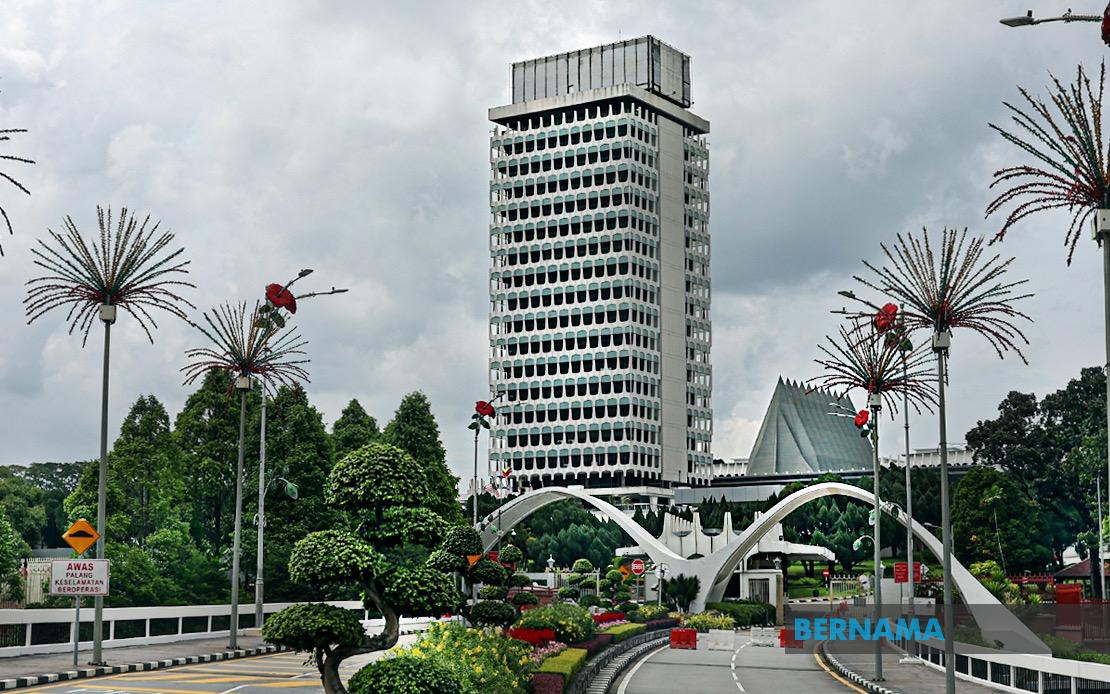
Prime Minister Datuk Seri Anwar Ibrahim is pushing for an expedited special Parliament sitting to deliberate the Royal Commission of Inquiry findings on Lembaga Tabung Haji, signalling the government's commitment to transparent handling of the pilgrimage fund's long-running troubles. Speaking in Seremban on July 29, Anwar indicated that whilst the decision to convene such a session has been made, the precise timing hinges on securing approval from Dewan Rakyat Speaker Tan Sri Dr Johari Abdul. The urgency underscores the political imperative to move swiftly through public scrutiny of a matter that has shadowed Malaysian governance for years.
The proposed parliamentary forum represents a deliberate shift towards openness on the TH issue, which has accumulated layers of complexity across multiple years of alleged mismanagement and financial irregularities. Rather than limiting discussion to matters examined during the 2014 and 2017 inquiries, Anwar's Cabinet has mandated that the fresh investigation encompass subsequent developments through 2018, 2019, and 2020, alongside the corrective steps undertaken since. This expanded scope reflects an acknowledgment that TH's problems demand holistic rather than piecemeal examination, capturing the full arc of institutional dysfunction and reform efforts.
Anwar stressed that the special sitting would afford Members of Parliament sufficient opportunity to absorb the RCI's conclusions, absorb technical clarifications from relevant officials, and engage in substantive day-long debate on the findings. Such an arrangement departs from routine parliamentary procedure and signals government recognition that the issue warrants exceptional procedural treatment. The commitment to allocate dedicated time suggests confidence that a comprehensive airing of evidence and argument will strengthen public confidence, or at minimum demonstrate that accountability mechanisms are functioning.
The announcement emerged during a community engagement session in Negeri Sembilan, where Anwar addressed more than two thousand Form Six and polytechnic students as part of his touring "Temu Anwar" programme. Communications Minister Datuk Seri Fahmi Fadzil and local NGO leaders and community figures attended the event, reflecting the government's orchestrated approach to maintaining grassroots engagement. The setting highlighted the parallel political priority of maintaining youth support and institutional legitimacy beyond the corridors of Parliament.
Beyond the TH matter, Anwar took the occasion to reaffirm his government's focus on minority community affairs, particularly the Indian Malaysian demographic. He announced that he will assume direct personal responsibility for managing Indian community issues, a move signalling both recognition of longstanding grievances and determination to prevent such concerns from becoming opposition fodder. This direct involvement signals that the MADANI administration views minority representation and responsiveness as critical to political sustainability.
Anwar called upon Indian Malaysians to assess the government's performance through documented implementation of policies and programmes specifically designed to benefit their community, rather than through rumour or selective narrative. He highlighted the administration's introduction of numerous schemes expanding access to financing, educational pathways, and welfare provisions that have materially benefited Indian Malaysians. This framing implicitly criticises opposition messaging while simultaneously issuing a challenge to his own government: that achievements must be tangible and verifiable.
A flagship policy initiative Anwar spotlighted is the automatic matriculation placement for students achieving ten A grades regardless of ethnicity, described as unprecedented in Malaysia's educational history. Presenting such reforms as evidence of genuine commitment to equity, Anwar essentially argued that structural policy changes supersede symbolic gestures. The matriculation reform carries particular weight for Indian Malaysian communities, historically underrepresented in higher education pathways, and its implementation represents a measurable outcome distinct from rhetorical commitment.
The Prime Minister's remarks reflect a governing philosophy centred on simultaneous management of competing priorities: demonstrating accountability through institutional processes such as parliamentary inquiry, whilst building political capital among key demographic constituencies through targeted policy delivery. The approach assumes that institutional transparency combined with tangible community benefits can sustain political coalition cohesion, particularly among urban and educated voters who form critical swing constituencies.
For Malaysian observers tracking institutional governance, the proposed parliamentary sitting on TH carries implications extending beyond the fund itself. How Parliament conducts such a forum will establish precedent for handling future scandals or systemic failures in public institutions. The quality of debate, the technical rigour of questioning, and the government's responsiveness to parliamentary inquiry will either enhance or diminish public confidence in legislative oversight capacity. Whether this exercise meaningfully strengthens parliamentary scrutiny or merely provides procedural appearance of accountability remains to be demonstrated when the sitting convenes.

