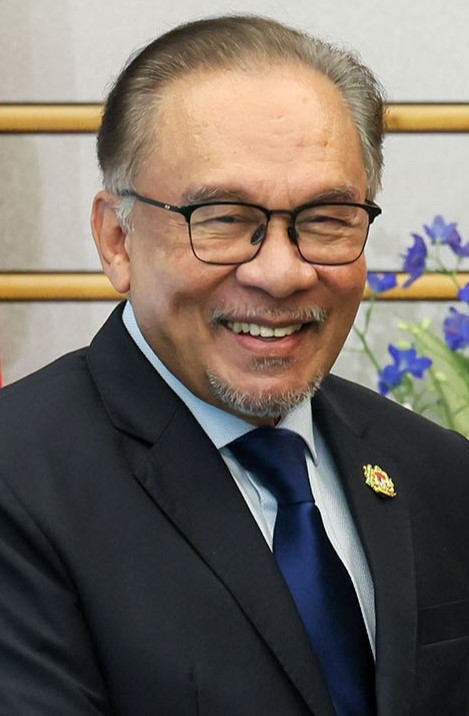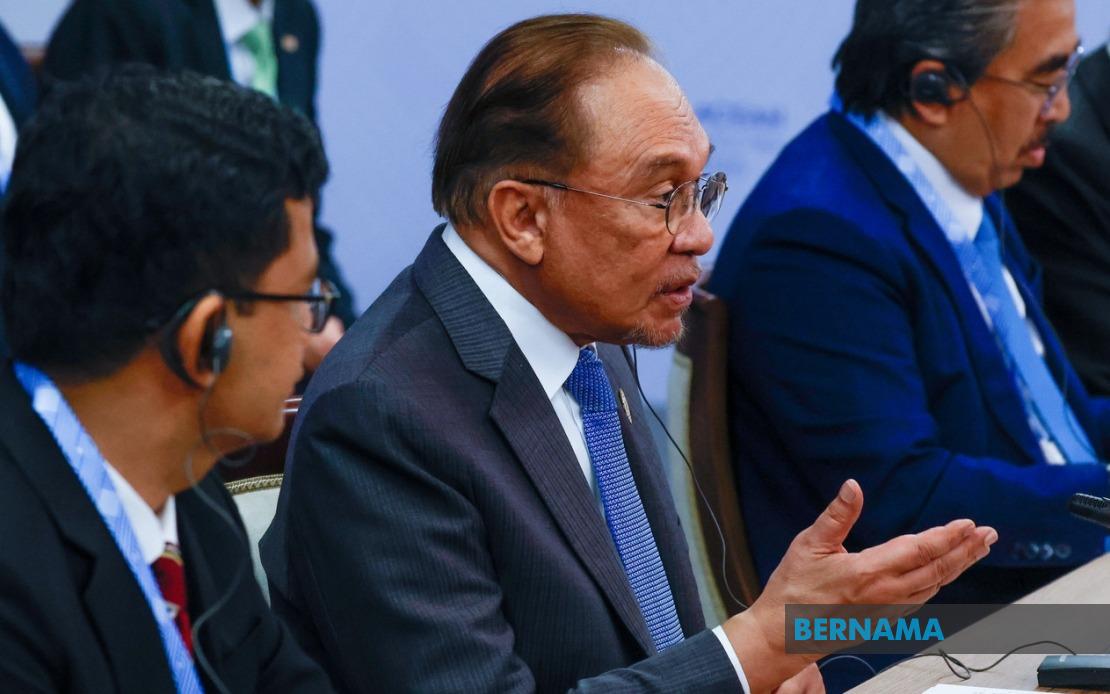
Malaysian Prime Minister Datuk Seri Anwar Ibrahim voiced his admiration for Russia's steadfast approach to two defining Middle Eastern crises during high-level talks with President Vladimir Putin in Kazan on Wednesday night. The bilateral meeting provided Anwar an opportunity to commend the Kremlin's consistent position on the Gaza conflict and broader geopolitical tensions involving Iran, signalling Malaysia's appreciation for Moscow's diplomatic consistency on issues of global consequence.
In opening remarks at the gathering, Anwar explicitly thanked Putin for maintaining what he characterised as a principled stance across both critical dossiers. The Malaysian leader's tone reflected recognition of Russia's role as a major power shaping Middle Eastern diplomacy, particularly at a moment when regional tensions have intensified and competing international interests have collided. By publicly acknowledging Russia's consistency, Anwar underscored Malaysia's view that principled diplomacy rooted in conviction deserves respect, irrespective of broader geopolitical alignments.
Anwar extended his remarks beyond bilateral pleasantries, claiming that Malaysians and citizens of many other nations shared his admiration for Putin's tenacity and unwavering commitment to these positions. This statement carried broader diplomatic weight, suggesting that Malaysia sees itself as voicing sentiment beyond its borders—a positioning that reflects Kuala Lumpur's traditional emphasis on representing non-aligned perspectives within international forums. The Malaysian Prime Minister's language of "tenacity and conviction" implied that Russia's approach was not merely tactical but rooted in deeper principle, a characterisation that carries significance in a region where political messaging often obscures strategic interests.
Gaza and Iran remain central to Middle Eastern geopolitics and attract intense scrutiny from major powers vying for influence across the region. The United States, Russia, and China have each articulated distinct positions reflecting their strategic calculations and regional partnerships. For Malaysia, a Muslim-majority nation with historical ties to the Arab world and simultaneous economic interests spanning multiple continents, these issues carry particular salience. Anwar's comments reflect Malaysia's effort to maintain credibility among Islamic constituencies while preserving diplomatic relationships with diverse global players.
Russia's position on Gaza has consistently centred on calls for ceasefires, protection of Palestinian civilian populations, and humanitarian access to besieged areas. Moscow has framed its stance within a broader commitment to international law and multilateralism, contrasting itself with what it portrays as selective enforcement by Western powers. The Kremlin has consistently advocated for diplomatic solutions that address underlying grievances rather than military escalation, a position resonating with non-aligned nations sceptical of Western-led interventionism.
Moscow's approach to Iran similarly reflects a strategy of dialogue and negotiated settlement rather than confrontation or isolation. Russia maintains deep economic, military, and strategic ties with Tehran, stemming from shared interests in regional stability and opposition to Western hegemony. By maintaining communication channels and resisting calls for unilateral sanctions or military action against Iran, Russia positions itself as a counterweight to American pressure and as a voice for resolving disputes through diplomacy rather than coercion.
For Malaysia, cultivating robust relations with Russia carries strategic implications across multiple dimensions. Energy security, technology partnerships, and defence cooperation offer tangible benefits, particularly as Malaysia navigates broader geopolitical competition between established and rising powers. Anwar's effusive praise of Putin's consistency may signal Malaysia's interest in deepening bilateral engagement while demonstrating to regional and international audiences that Kuala Lumpur values principled diplomacy regardless of a nation's international alignment.
The Kazan meeting occurred against a backdrop of shifting global alignments and intensifying Middle Eastern volatility. By publicly commending Russia's principled stance, Anwar positioned Malaysia as a nation unwilling to accept simplistic narratives about international conflict. This approach aligns with Malaysia's traditional non-aligned philosophy while acknowledging that stability in the Middle East affects Southeast Asia through energy markets, security dynamics, and the movement of capital and people.
Malaysia's engagement with Russia also reflects the reality that Southeast Asian nations increasingly operate within multipolar environments where maintaining dialogue across competing blocs enhances rather than diminishes strategic autonomy. Anwar's diplomatic overture demonstrates Kuala Lumpur's conviction that principled neutrality—or at least principled pragmatism—remains viable and valuable even as great power competition intensifies globally.