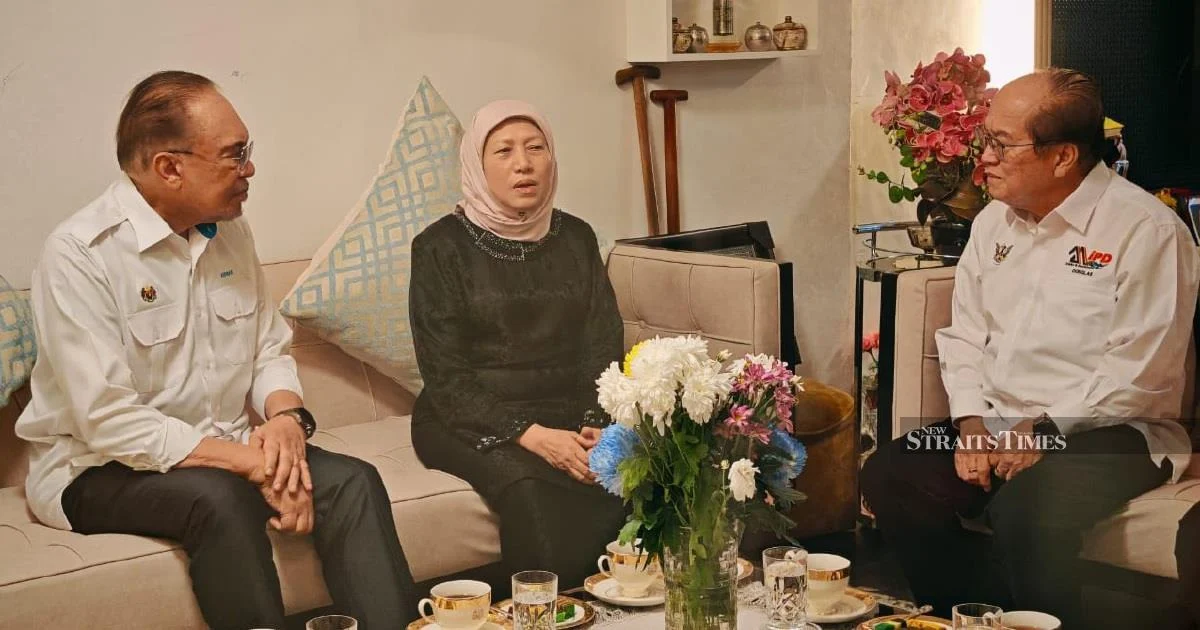
Prime Minister Datuk Seri Anwar Ibrahim travelled to Kuching to pay his respects to Women, Family and Community Development Minister Datuk Seri Nancy Shukri, whose husband, Datuk Kamil Misuari, has recently passed away. The visit underscores the importance placed by the federal government on maintaining close ties with senior cabinet members during difficult personal circumstances, particularly those serving in prominent ministerial positions.
Nancy Shukri's tenure as Women, Family and Community Development Minister has placed her at the forefront of policy decisions affecting millions of Malaysian households. Her portfolio encompasses critical social initiatives, from child welfare programmes to family support services and community development initiatives across the country. The loss of her spouse represents a significant personal challenge for one of the cabinet's senior female ministers, a position of considerable responsibility in Malaysia's federal government structure.
The condolence visit by the Prime Minister reflects established diplomatic protocol and the solidarity expected among Malaysia's political leadership during moments of personal grief. Such gestures carry particular significance within the Malaysian political context, where personal relationships and respect among senior figures help maintain cohesion within the cabinet structure. The timing and nature of such visits often communicate broader messages about government unity and support for individual ministers.
Kamil Misuari's passing marks a loss within circles connected to Malaysia's political and business communities. Details regarding his background and professional accomplishments remain relevant to understanding the broader networks of influence within the country's elite circles. The family's loss is particularly poignant given Nancy Shukri's demanding schedule and high-profile responsibilities as a cabinet minister managing multiple complex social portfolios.
Nancy Shukri has established herself as a prominent political figure representing Sarawak interests within the federal cabinet. Her representation of Sarawak constituencies ensures that state concerns regarding family policy, child protection, and community welfare receive direct attention at the highest levels of government. This dual responsibility—both to her ministerial duties and to her state's specific needs—makes her position particularly influential in shaping social policy outcomes across Malaysia.
The Women, Family and Community Development Ministry remains central to Malaysia's social development agenda, particularly as the country navigates demographic changes and evolving family structures. Issues including childcare support, domestic violence prevention, elderly care, and community cohesion continue to dominate the ministry's work. Nancy Shukri's leadership in this space has shaped responses to these challenges, making her steady presence in office important for policy continuity.
Condolence visits by sitting prime ministers carry institutional weight beyond their immediate personal dimensions. Such actions serve as public acknowledgment of a minister's value to government operations and recognition of their professional contributions. For Malaysian citizens and stakeholders in social policy areas, such gestures reassure them that the government's commitment to these portfolios remains firm even during times of personal difficulty within the leadership structure.
The Sarawak context adds another layer of significance to this condolence visit. Maintaining strong federal-state relationships and demonstrating central government support for state representatives remains crucial in Malaysia's federal framework. Anwar's presence in Kuching signals continuing federal investment in Sarawak representation and the importance placed on Nancy Shukri's contributions to the broader federal cabinet.
Governing effectively while managing personal loss presents a distinct challenge for senior cabinet ministers. Nancy Shukri's colleagues within the cabinet, including the Prime Minister, recognise these pressures and respond through visible support systems. Such expressions of solidarity help create organisational resilience, allowing ministers to navigate their personal circumstances while maintaining their professional responsibilities.
Families of Malaysia's senior political leaders often face distinctive pressures accompanying high-profile public positions. The loss of a spouse creates both personal grief and practical challenges related to managing demanding ministerial roles. Institutional support from peers and superiors becomes particularly valuable during such periods, enabling ministers to address personal matters while maintaining their commitment to national duties.
The visit demonstrates broader patterns within Malaysia's government regarding how political leadership responds to adversity affecting senior ministers. Rather than viewing such matters as purely private concerns, the Malaysian political system recognises that personal wellbeing directly influences a minister's capacity to serve effectively. This pragmatic approach to leadership support acknowledges the human dimension of governance alongside the technical aspects of ministerial work.

