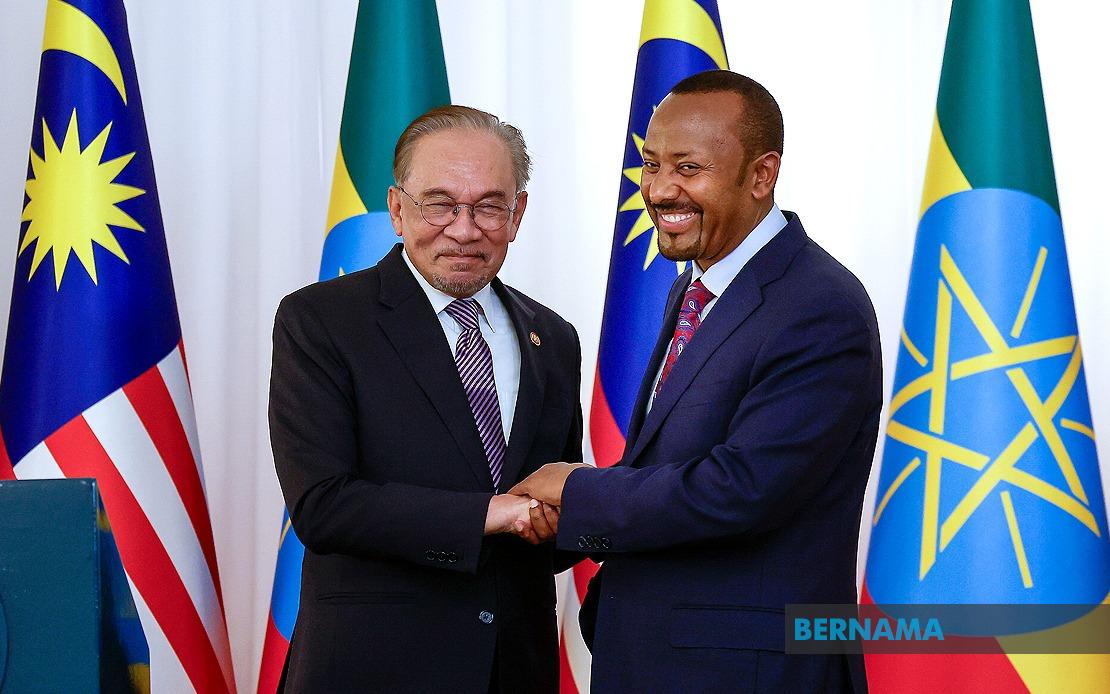
Prime Minister Datuk Seri Anwar Ibrahim extended formal congratulations to Ethiopian Prime Minister Abiy Ahmed Ali and the Prosperity Party following their success in Ethiopia's latest general election, signalling Malaysia's continued commitment to strengthening bilateral relations with the East African nation. The message, posted on social media, reflects the growing diplomatic warmth between Kuala Lumpur and Addis Ababa, a relationship that has gained fresh momentum since Anwar's groundbreaking visit to the Ethiopian capital last year.
Anwar's acknowledgement of Abiy's electoral triumph carries particular significance given that it represents Malaysia's first prime ministerial visit to Ethiopia—a milestone that underscores the strategic importance both nations place on their partnership. During that landmark trip, Anwar engaged in substantive discussions with Abiy, establishing what appears to be a personal rapport between the two leaders that extends beyond routine diplomatic protocol. The Malaysian premier's recollection of receiving a warm welcome in Addis Ababa serves not merely as polite reciprocation but signals genuine receptiveness to deepening engagement with Ethiopia's government.
The substance of Anwar's diplomatic statement centres on shared worldviews and complementary strategic interests. By emphasizing that he and Abiy "read the world in much the same way," the Prime Minister suggests alignment on key geopolitical questions and development priorities that transcend traditional bilateral concerns. This framing is particularly noteworthy given Malaysia's broader pivot toward strengthening South-South cooperation, an agenda that resonates powerfully with Ethiopia's position as Africa's most populous nation and a hub for continental affairs.
Ethiopia's significance in Malaysia's African strategy cannot be overstated. As host to the African Union headquarters and a crucial player in regional stability, Ethiopia occupies a unique position that Malaysian policymakers recognise as essential for meaningful continental engagement. Anwar's designation of Ethiopia as an important partner in Malaysia's broader African engagement strategy reflects a calculated diplomatic approach, one that views bilateral relations not in isolation but as an entry point for expanding Malaysian influence across the continent more broadly.
The reference to countries of the Global South gaining substantially from collaborative endeavours framed as partnerships among equals taps into a narrative that carries considerable resonance across the developing world. This language moves beyond transactional diplomacy to articulate a vision of South-South cooperation that respects sovereignty and mutual benefit, a philosophy that aligns closely with Malaysia's own development experience and international positioning. For readers in Malaysia and across Southeast Asia, this messaging emphasises how regional nations increasingly seek to forge independent agency in global affairs rather than remaining subordinate to traditional power structures.
Anwar's statement that "there is much that we set in motion last year" suggests concrete initiatives or understanding reached during his Ethiopia visit that require continued implementation and momentum. Though unspecified in the public message, these initiatives likely encompass trade considerations, educational exchanges, or participation in continental institutions—areas where Malaysia has historically sought to expand engagement. The commitment to carrying these efforts forward under Abiy's renewed mandate indicates that the diplomatic relationship transcends individual electoral cycles.
The timing of Anwar's congratulatory message also merits consideration. Swift recognition of election outcomes represents standard diplomatic practice but carries undertones of legitimacy and support. By promptly acknowledging the Prosperity Party's victory, Malaysia positions itself as a supportive international partner invested in Ethiopia's political stability and institutional continuity. Such positioning can facilitate smoother future negotiations on issues ranging from trade to security cooperation.
From a Malaysian perspective, the deepening relationship with Ethiopia has practical implications for regional positioning. As Malaysia navigates complex geopolitical dynamics in Southeast Asia, diversifying partnerships across other regions provides strategic flexibility and reduces dependency on traditional great powers. Ethiopia's stability and continental importance mean that stronger ties serve Malaysia's long-term interests in building a more multipolar international order where middle powers retain genuine agency.
The broader context of this engagement reflects how African nations, including Ethiopia, increasingly command attention from Asian powers seeking to expand influence and economic opportunities. Malaysia's deliberate cultivation of ties with Ethiopia therefore represents participation in a global competition for relevance and partnership, one where nations recognise that the future international system will not be dominated by traditional hierarchies. For Southeast Asian states watching Malaysia's diplomatic moves, this engagement signals the value of proactive African outreach and the diplomatic dividends such efforts can yield.

