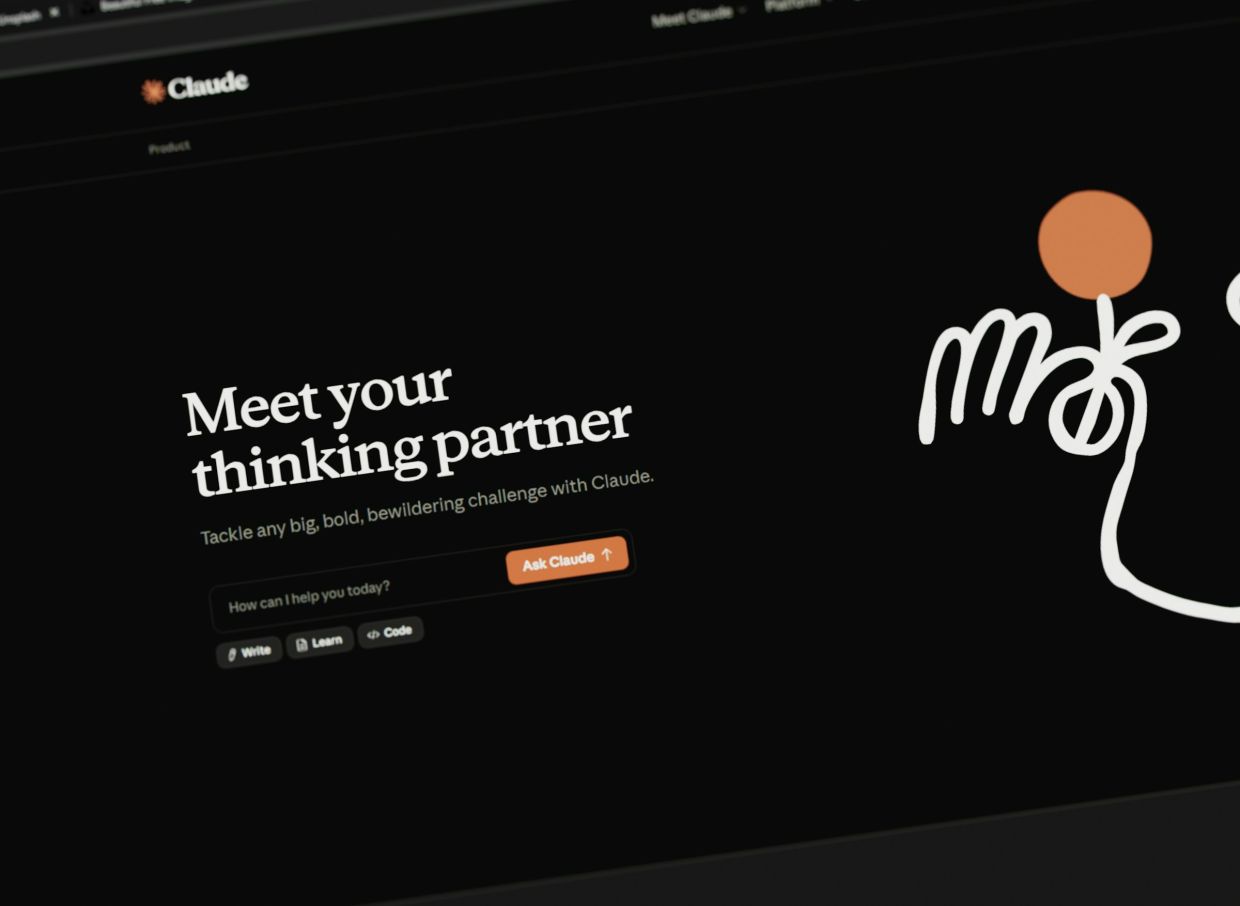
Anthropic, the artificial intelligence company valued at nearly $965 billion, has taken another step toward embedding its Claude chatbot deeper into workplace infrastructure by launching Claude Tag on June 23. The new Slack integration allows Claude to function as an autonomous team member within channels, capable of monitoring discussions, flagging relevant messages, and contributing substantively to conversations without constant human prompting. This move reflects the intensifying competition between leading AI startups to position themselves as indispensable tools for enterprise customers navigating the corporate workplace.
The Claude Tag feature operates with a level of sophistication that distinguishes it from earlier, more passive AI integrations. Users can configure Claude to watch channels for specific types of activity, trigger alerts when particular issues or milestones are mentioned, and even intervene in technical discussions to propose code fixes or architectural solutions. Rather than simply responding to direct questions, Claude Tag enables the AI to develop contextual awareness of team projects, deadlines, and workflows, making recommendations or raising flags proactively. Cat Wu, Anthropic's head of product for Claude Code and Cowork, described the shift as transformative, noting that approximately 65 percent of Anthropic's own product team's code is now generated or assisted by an internal version of Claude Tag.
The integration represents a fundamental change in how advanced AI systems are expected to function within professional settings. Where earlier AI tools required explicit user direction and delivered isolated responses, Claude Tag operates more like a digital colleague with persistent awareness of team activities. Users can connect the tool to external data sources—calendars, email systems, project management platforms, and documentation repositories—enabling Claude to understand not just what is being discussed in Slack, but how conversations relate to individual schedules, ongoing commitments, and broader organizational priorities. This contextual richness allows the AI to offer more nuanced suggestions and alerts that align with each user's specific workflow rather than generic guidance applicable to everyone.
Anthropologic's strategic timing reflects broader competitive dynamics in enterprise AI. OpenAI and other rivals have similarly accelerated development of professional-grade AI tools designed to justify the extraordinary valuations these companies command. The AI sector remains under intense scrutiny regarding both its commercial viability and the pace of its technological advancement, with investors and analysts questioning whether current valuations can be sustained without demonstrable revenue growth and widespread enterprise adoption. Anthropic's push toward an initial public offering adds urgency to demonstrating that its AI products can command meaningful spending from large organizations, and workplace integration tools like Claude Tag directly address that imperative.
However, Anthropic's rollout occurs within a constraining political environment that has already impacted the company's strategy. On June 23, the same day Claude Tag launched, Anthropic restricted access to its most powerful models—Fable 5 and Mythos 5—in response to a Trump administration order limiting foreign access to advanced AI technology. This policy shift creates a significant limitation on Claude Tag's capabilities, as Wu indicated that Fable 5 was intended to serve as the primary model powering the new Slack integration. Instead, Claude Tag now operates primarily on Opus 4.8, released in May, which Anthropic acknowledges is less capable than Fable 5 for complex coding tasks and for the autonomous decision-making required when Claude must determine whether to contribute to conversations without explicit instruction.
The regulatory constraints underscore broader challenges facing the AI industry in navigating geopolitical competition. Anthropic and comparable companies must balance their commercial ambitions—which depend on serving global customers—against government policies intended to prevent strategic technologies from reaching potential adversaries. This creates an unstable environment for product planning and potentially incentivizes development of capabilities that can operate effectively even under restricted conditions. Wu's acknowledgment that Fable represents the optimal model for Claude Tag, coupled with the forced reliance on a less capable alternative, suggests that Anthropic's product roadmap may be constrained by regulations that could shift further as political administrations change.
For Malaysian and Southeast Asian organizations, Claude Tag introduces both opportunities and considerations. The tool could substantially accelerate development workflows in software companies and tech-enabled enterprises across the region, allowing teams to reduce time spent on routine code review and documentation. However, the regulatory environment affecting access to Anthropic's most advanced models introduces uncertainty about which version of Claude Tag regional customers might access, and whether that version will deliver the performance levels Anthropic considers optimal. Companies evaluating adoption should consider whether the current capabilities justify integration costs and whether dependence on a platform controlled by a U.S.-based company navigating contentious regulations presents acceptable risks.
The Claude Tag launch also reflects how AI integration is shifting from experimental pilots toward embedded production use. Anthropic's own product team relying on Claude Tag for the majority of code generation signals confidence in the tool's reliability and consistency. This internal validation carries weight with prospective enterprise customers who might otherwise view AI-generated code with skepticism. The enterprise and team subscription customers receiving Claude Tag's rollout represent Anthropic's most committed users, suggesting the company is confident enough in the feature's stability to make it available to paying customers managing real production systems.
Climate Tag's replacement of Anthropic's existing, more limited Slack app consolidates the company's presence within one of the world's most widely adopted workplace communication platforms. This strategic importance cannot be overstated—by embedding Claude as a native feature within the environment where millions of workers spend significant portions of their day, Anthropic reduces friction for adoption and increases the likelihood that teams will develop workflows depending on Claude's contributions. Over time, this kind of deep integration can create switching costs that benefit Anthropic competitively, even as the broader market continues evolving.
The feature ultimately reflects Anthropic's vision of AI as a persistent workplace presence rather than an intermittent tool. Whether this vision proves commercially viable and whether regulatory constraints continue limiting the deployment of the company's most capable models remain open questions. For now, Claude Tag represents the company's most significant effort to transition from a provider of conversational AI toward a platform for autonomous workplace agents.

