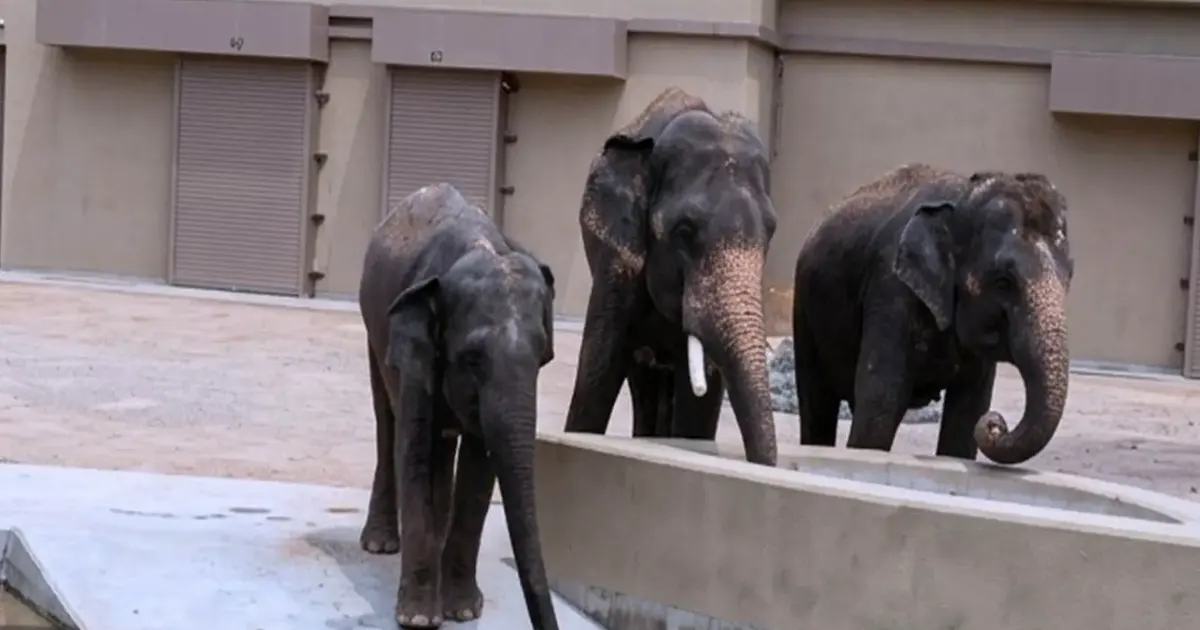
A prominent Malaysian animal rights organisation has demanded that the Royal Malaysia Police's Bukit Aman headquarters establish a dedicated task force to investigate the circumstances surrounding the shipment of elephants to Japan. Peka, an established advocacy group focused on animal welfare, has raised serious questions about potential irregularities in the transaction, particularly concerning the authenticity and completeness of shipping documentation.
The group's concerns centre on alleged inconsistencies found within the paperwork associated with the elephant transfer. These discrepancies, according to Peka's assessment, warrant formal scrutiny to determine whether all necessary procedures were followed and appropriate oversight mechanisms were engaged throughout the process. The organisation argues that such transfers involving endangered or protected species should remain subject to rigorous documentary verification given their significance to conservation efforts and animal welfare standards.
Beyond the documentation issues, Peka has raised fundamental questions about whether the entire transaction adhered to Malaysia's domestic wildlife protection legislation. The country maintains comprehensive laws governing the movement and export of animals classified under its protection framework. Any such transfer involving elephants—animals with considerable conservation and cultural significance in Malaysia—would typically require clearance from multiple regulatory bodies and compliance with established environmental protocols.
Equally important to Peka's position is the question of whether Malaysian authorities satisfied their obligations under international agreements governing wildlife trade and animal welfare. Malaysia is a signatory to several international treaties and conventions designed to prevent the illegal trafficking of species and ensure humane treatment standards. The Convention on International Trade in Endangered Species, for instance, establishes protocols that member nations must follow when facilitating the movement of certain animals across borders.
The timing and context of the elephant transfer has drawn particular attention across Southeast Asia, a region deeply concerned with elephant conservation. Wild elephant populations throughout the region have faced declining numbers due to habitat loss and poaching, making the movement of individual animals a matter of public interest. Thailand, Laos, and other neighbouring countries have established stringent protocols for any elephant transfers, reflecting regional commitment to species preservation.
For Malaysia specifically, elephants hold cultural and ecological importance. The Asian elephant remains a symbol of Malaysia's natural heritage and appears prominently in the country's conservation narrative. The Malaysian Wildlife Law provides specific protections for these animals, and any commercial or institutional transfer theoretically requires approval from the Department of Wildlife and National Parks alongside customs and export authorities. The layering of these approval mechanisms exists precisely to prevent irregular transactions.
Peka's call for a police investigation signals growing public concern about transparency in wildlife-related transactions. The organisation has not publicly detailed all its evidence regarding the alleged documentation discrepancies, but such concerns typically arise when shipping manifests, health certificates, export permits, and animal welfare assessments contain contradictory information or appear incomplete. Such irregularities, whether accidental or intentional, undermine confidence in the system designed to protect animals during international movement.
The investigation request also reflects broader questions about oversight and accountability within Malaysia's wildlife management apparatus. With multiple agencies potentially involved in approving such transfers, questions naturally arise about inter-agency communication, information verification, and the sufficiency of checks and balances. A dedicated task force could examine whether proper coordination occurred between relevant departments and whether all stakeholders had adequate opportunity to assess the transfer's legitimacy.
For Malaysian readers and policymakers, this situation serves as a reminder that wildlife protection requires constant vigilance. The country's reputation as a responsible custodian of its natural resources depends partly on how thoroughly it investigates allegations of irregular wildlife transactions. International partners, conservation organisations, and the global scientific community all monitor how nations handle such matters, and Malaysia's response will likely influence perceptions of its commitment to wildlife conservation standards.
The potential implications extend beyond this single incident. Should investigations reveal substantive lapses in oversight or procedural compliance, Malaysian authorities may need to review and strengthen the mechanisms governing animal exports. This could involve enhanced documentation requirements, more rigorous inter-agency coordination protocols, and possibly revised timelines for approvals to ensure no transactions proceed without comprehensive verification. Such reforms would reinforce Malaysia's position as a nation taking its conservation responsibilities seriously.
International observers will be watching closely to see whether Malaysian authorities respond to Peka's concerns with appropriate seriousness. The establishment of a task force would signal that the government takes allegations of irregular wildlife transactions as matters worthy of formal investigation rather than routine bureaucratic matters. Such responsiveness also demonstrates to conservation partners in other countries that Malaysia maintains high standards for wildlife transaction integrity.

