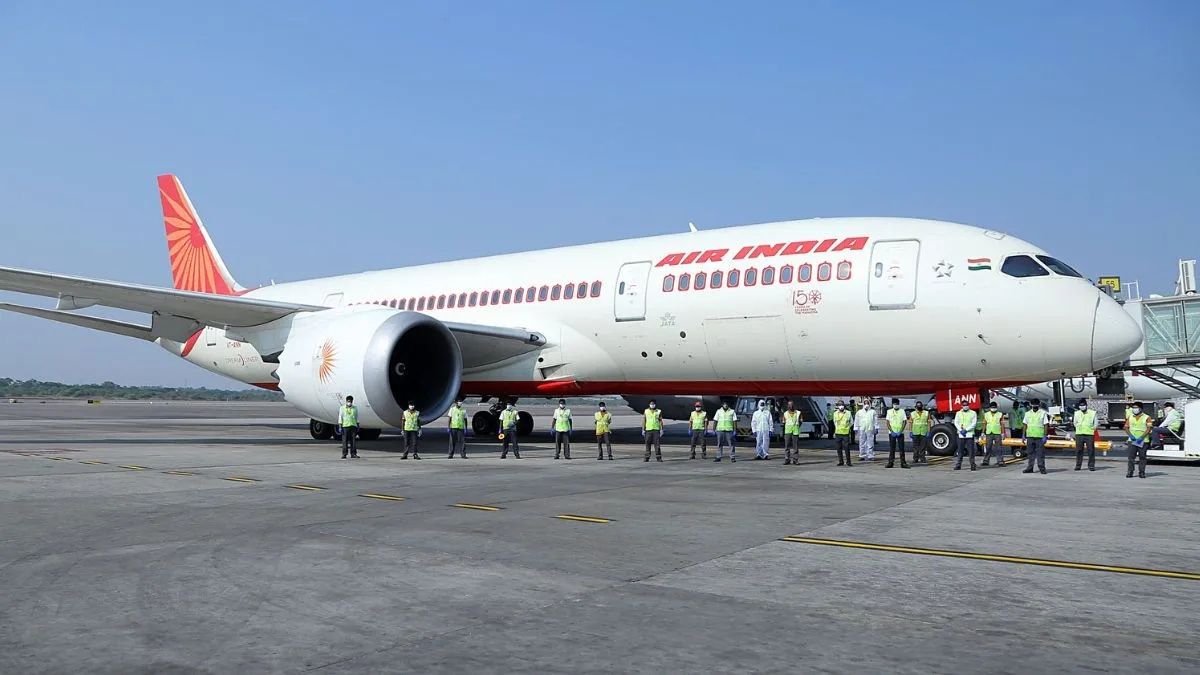
An Air India Airbus A321 operating between Delhi and Amritsar inadvertently strayed into Pakistani airspace on Monday night, marking another instance of unintended border transgression in South Asian aviation. The aircraft, identified as Flight AI-463, departed from Indira Gandhi International Airport at 9.18pm on June 22 but encountered a technical malfunction shortly after takeoff that compromised its navigation systems. The failure caused the flight path to veer westward across the International Border, prompting swift intervention from Pakistani air traffic authorities who detected the deviation and coordinated with the Indian crew to guide the aircraft back to Indian territory.
The incident underscores persistent vulnerabilities in aviation safety infrastructure across the subcontinent, where even modern aircraft equipped with sophisticated avionics can experience unexpected system failures that disrupt carefully planned flight paths. Pakistani Air Traffic Control's immediate detection and notification of the breach demonstrates the operational vigilance maintained by both nations' aviation authorities despite geopolitical tensions. The crew responded promptly upon receiving the alert, correcting their navigation and guiding the Airbus A321 back across the border within a relatively short timeframe. This rapid response prevented what could have escalated into a serious diplomatic incident, particularly given the heightened sensitivities surrounding airspace violations in the region.
However, the flight's troubles were far from over once it returned to Indian airspace. As the aircraft approached Sri Guru Ram Dass Jee International Airport in Amritsar around 10.30pm, air traffic controllers informed the crew that the airport was experiencing significant congestion, with no immediate landing slots available due to heavy traffic volumes. The combination of the earlier navigation issue and the unexpected delay forced flight operations officers to make the pragmatic decision to divert the aircraft back to Delhi, where it could land safely for comprehensive technical inspections. This secondary diversion added considerable complexity to an already complicated flight operation and significantly extended the journey time for passengers aboard.
The aircraft touched down in Delhi for mandatory technical inspections following the navigation system malfunction. Engineers conducted thorough checks to identify the precise nature of the failure and verify that all systems were functioning correctly before the flight could be cleared for another departure. Only after receiving the necessary operational clearances from aviation authorities did the flight resume its journey toward Amritsar. The aircraft finally landed at its intended destination at approximately 2.20am on Tuesday morning, nearly four hours behind schedule. Passengers experienced an unexpectedly protracted journey that tested their patience, though the crew's handling of the situation maintained safety throughout.
For Malaysia and other Southeast Asian nations, this incident carries implications regarding regional aviation safety protocols and the reliability of navigation systems across modern commercial fleets. Airbus A321 aircraft operate extensively throughout Asia-Pacific routes, and any systemic issues affecting their navigation capabilities could impact flights across the region. The incident also highlights how weather, traffic congestion, and technical failures can compound to create complex operational challenges that require careful management by air traffic controllers and flight crews. Malaysian aviation authorities and carriers closely monitor such incidents to identify patterns and implement preventive measures within their own operations.
Neither Air India nor India's Directorate General of Civil Aviation (DGCA) has released detailed technical information regarding the specific nature of the navigation system failure. Aviation authorities have initiated a routine investigation to determine the exact circumstances that led to the route deviation and the underlying causes of the malfunction. Such investigations typically examine multiple factors including weather conditions at the time of departure, aircraft maintenance records, crew training and decision-making, and the performance of ground-based navigation systems. The findings will likely be shared with aviation regulatory bodies across the region to ensure industry-wide awareness of any potential systemic issues.
This incident arrives just one month after a Pakistan International Airlines flight briefly entered Indian airspace under different circumstances. The PIA flight experienced difficulties due to adverse weather conditions and required guidance from Indian air traffic controllers to return to its designated route. The proximity of these two incidents suggests that despite sophisticated modern navigation equipment and well-established procedures, unintended airspace breaches remain an occasional occurrence in South Asian aviation. Both nations' air traffic control systems have demonstrated competence in detecting and managing these situations, but the recurring nature of such events points to the challenges of maintaining perfect operational precision in a complex airspace environment.
The broader context of these incidents reflects the shared responsibility of aviation authorities across borders to maintain safety and prevent misunderstandings. Pakistan and India have established protocols for precisely these situations, allowing air traffic controllers on both sides of the border to communicate rapidly and guide aircraft back to their correct routes. The professionalism displayed by personnel in both nations during these incidents has prevented minor technical problems from escalating into serious diplomatic or safety crises. These protocols have been tested repeatedly and have proven effective in maintaining stability despite the sensitive geopolitical environment.
For international passengers transiting South Asian airspace, such incidents underscore the importance of robust safety systems and the exceptional training maintained by professional aviation personnel. The multiple layers of detection and response—from onboard systems to ground-based radar to air traffic control coordination—work together to identify and correct deviations quickly. While any unintended airspace transgression raises concerns, the swift response in this case demonstrated that safety mechanisms function effectively even when aircraft systems fail. Airlines and regulatory bodies across Southeast Asia continue to invest in improved navigation technology, enhanced training programs, and refined procedures to minimize the likelihood of such occurrences in the future.

