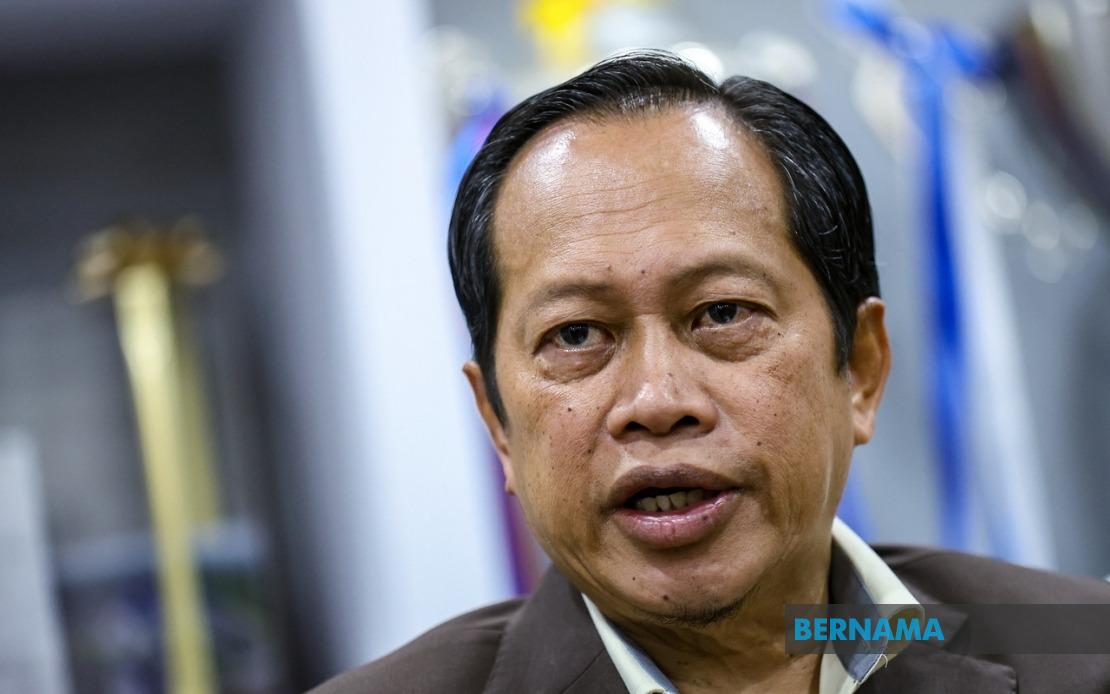
Senior coalition figure Datuk Seri Dr Ahmad Maslan has formally announced his withdrawal from the upcoming Johor state election, ending weeks of speculation about his electoral intentions. The Johor Barisan Nasional deputy chairman made the announcement during a visit to the state's Public Works Department office in Iskandar Puteri, citing his preference to allow emerging political talent within the coalition to pursue contested seats at state level.
Ahmad, who doubles as Deputy Works Minister and represents Pontian in Parliament, had been linked to two separate state constituencies within his federal division. The Benut and Pulai Sebatang state seats, both nestled within the Pontian parliamentary boundary, had drawn particular attention as potential vehicles for his candidacy. However, he moved to definitively shut down this speculation, confirming he harboured no ambitions to contest either location during the upcoming campaign cycle.
His decision carries significance within the broader context of BN's preparations for the 16th Johor state election. By voluntarily stepping back, Ahmad creates space for the coalition to field candidates who may be seeking their first opportunity at state-level representation. This approach reflects a broader generational consideration within the party structure, where senior figures sometimes strategically withdraw to ensure succession pathways remain clear and that newer members gain meaningful exposure to electoral competition.
Despite confirming his non-participation as a candidate, Ahmad emphasised that his contribution to the coalition's campaign efforts would remain substantial. He pledged to maintain an active supporting role throughout the election period, assisting both BN and UMNO in their collective effort to secure victory across the state's 56 state assembly seats. Such auxiliary campaign functions—including grassroots coordination, fundraising assistance, and strategic advice—often prove decisive in tight contests, allowing senior politicians to exercise influence without bearing the direct electoral risk.
The Electoral Commission has established a clear timeline for the state polls. Nomination day falls on June 27, providing a window of approximately twelve days for parties to officially register their candidates before the public announcement phase concludes. Early voting has been scheduled for July 7, allowing those unable to vote on polling day to cast their ballots during the preliminary voting period. The main election itself will take place on July 11, making for a relatively compressed campaign period of just two weeks from nomination to election day.
Ahmad's announcement arrives at a strategically sensitive moment for Johor politics. The state has long served as a BN stronghold and crucial vote bank, but recent electoral trends across Malaysia have demonstrated that no constituency can be taken for granted. The coalition's performance in Johor will significantly influence perceptions of its broader electoral health heading into any future general election. With opposition forces regularly contesting state seats and seeking to expand their presence in the peninsula's south, BN must carefully calibrate its candidate selection to present the most competitive slate possible.
The Pontian MP's decision also reflects practical considerations about the time and energy demands of simultaneous federal and state candidacies. Ministers and senior politicians often find themselves stretched across multiple responsibilities, from parliamentary duties to constituency development work to ministerial functions. By limiting his participation to non-candidate roles, Ahmad can dedicate his Pontian parliamentary seat to focused federal representation while channelling his organizational energy toward supporting his coalition's broader campaign machinery at state level.
Within Johor's political landscape, the nomination of candidates for state contests carries particular importance given the state's size and economic significance. The state encompasses urban growth corridors, established industrial zones, and rural agricultural communities, each requiring tailored campaign messaging. BN's success depends on fielding candidates who understand local nuances, command respect within their respective constituencies, and bring relevant credentials to address community concerns ranging from infrastructure development to business promotion to social services delivery.
Ahmad's background illustrates the type of political experience that the coalition values. His tenure as Deputy Works Minister positions him to address infrastructure concerns affecting his electorate, while his role as BN deputy chairman indicates his standing within party structures. Yet his willingness to defer electoral contests suggests a pragmatic recognition that not every senior figure needs to contest every election cycle, and that strategic stepping back can strengthen overall coalition performance by distributing opportunities more equitably across the party membership.
The broader Johor election framework underscores the competitive nature of Malaysian state politics despite BN's historical dominance. The two-week campaign period, while compressed, provides sufficient time for aggressive grassroots mobilization. Parties typically activate networks of community leaders, organization members, and sympathetic citizens to ensure maximum voter turnout and consolidate support around nominated candidates. Ahmad's stated intention to play an active supporting role positions him to contribute meaningfully to these mobilization efforts regardless of whether he personally contests a seat.
For Malaysian observers tracking coalition stability and succession planning, Ahmad's decision offers a window into how BN approaches generational transition. Rather than viewing all senior figures as natural candidates for every electoral opportunity, the coalition appears to embrace a more flexible model where veteran politicians strategically select their electoral interventions while remaining available for organizational support. This approach potentially reduces internal competition while ensuring experienced voices continue influencing campaign strategy and messaging.
The announcement also signals BN's confidence in its broader candidate roster for Johor. Rather than feeling compelled to field every major figure in electoral contests, the coalition appears comfortable identifying strong alternative candidates for the Pontian division constituencies. This confidence may reflect positive internal assessments of emerging party talent within the state, or strategic decisions about resource allocation and candidate viability across different seat categories.
As polling day approaches in July, Ahmad's supporting role will likely prove significant in ways that extend beyond individual seat contests. His ministerial position, coalition ranking, and Pontian parliamentary base provide platforms from which he can amplify BN messaging, coordinate between federal and state campaign efforts, and lend credibility to the coalition's broader policy platform. In this sense, his withdrawal from candidacy may represent a reallocation of his energies toward higher-level strategic functions rather than a diminishment of his election-period significance.

