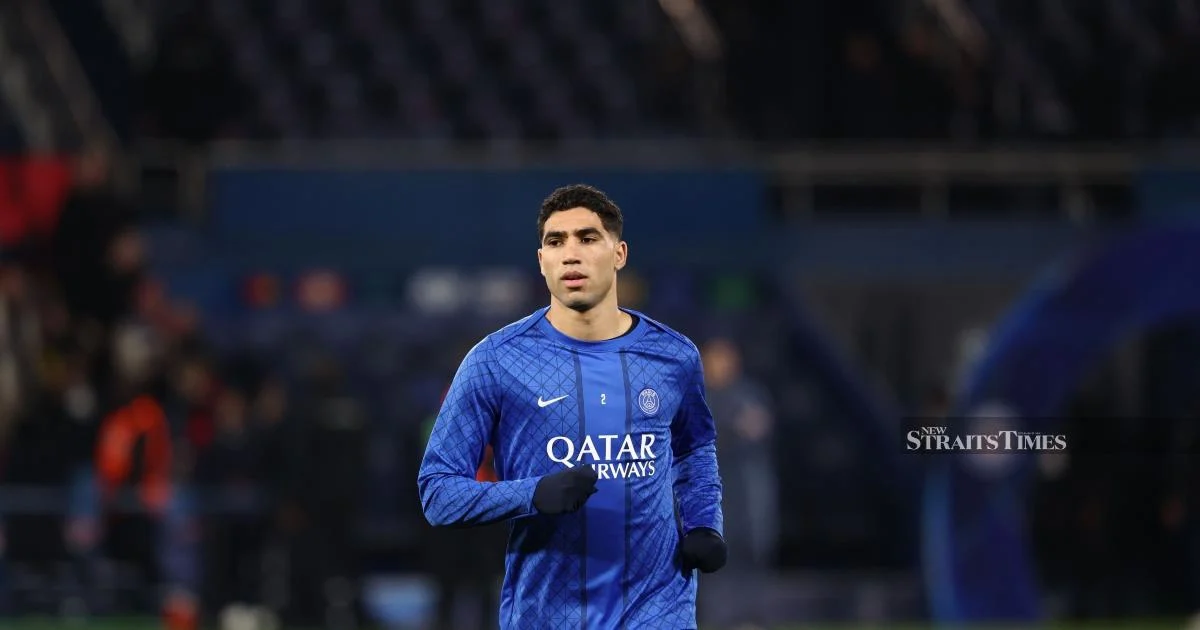
Morocco's international football star Achraf Hakimi will face trial on rape allegations after France's appeals court in Versailles confirmed the decision on Friday, representing a major development in a case that has already drawn considerable attention to the footballer's personal life amid his career at elite club Paris Saint-Germain.
Hakimi, who has represented his country at international level and has competed in major tournaments as a key defensive player, now confronts the prospect of formal judicial proceedings following the appeals court's affirmation. The decision comes after prosecutors had sought to move the case forward through the French legal system, and the court's endorsement removes a significant procedural barrier that had previously stood between the allegation and a full trial.
The Moroccan defender's professional trajectory has positioned him among Africa's most accomplished footballers, with his previous stints at major European clubs establishing him as a highly valued asset in modern football's upper echelons. His move to Paris Saint-Germain represented a considerable investment by the French capital's most prominent sporting institution, reflecting the calibre of player he has become on the continental stage.
The rape allegation itself concerns a young woman, though details regarding the circumstances and timeline of the alleged incident have been subject to the discretion of the French courts as the case has progressed through preliminary stages. The confirmation that the case will proceed to trial means the allegations will now receive formal judicial examination rather than remaining at an investigatory phase.
For professional athletes in Europe, involvement in criminal proceedings can carry substantial consequences beyond the courtroom itself, affecting sponsorship arrangements, team responsibilities, and broader public perception. The visibility of high-profile football personalities ensures that legal matters touching their conduct receive widespread media coverage and public scrutiny across multiple continents, with particular intensity in their home nations and the countries where they compete.
Paris Saint-Germain, as France's most commercially prominent football club and a regular participant in Europe's elite competitions, faces its own considerations regarding how to manage the situation internally and in its public communications. The club has not issued extensive public commentary on the matter, recognising the sensitivity of discussing ongoing legal proceedings involving one of its contracted players.
The appeals court's decision in Versailles carries significant weight within France's legal hierarchy, and its confirmation effectively closes off one avenue through which Hakimi might have sought to prevent the case from advancing to trial. The appeals process had represented the last opportunity for legal arguments to prevent full trial proceedings, meaning the footballer now enters the phase where evidence and testimony will be presented before a judicial body.
For Morocco's football community, the situation presents a complicated narrative involving one of the nation's most internationally prominent athletic exports. The country has invested considerably in developing its football infrastructure and international standing, and high-profile legal matters involving Moroccan players on the European stage inevitably reflect on national perceptions of Moroccan football globally.
The timeline for when the trial itself will commence remains unclear from the court's announcement, as scheduling such proceedings requires coordination between judicial authorities and legal representatives for both the prosecution and defence. The French legal system typically allows for extended periods between trial confirmation and actual commencement, during which pre-trial motions and procedural matters are resolved.
Hakimi's legal team will now prepare its defence strategy in advance of trial proceedings, with the footballer's rights to legal representation and due process protected under French law. The principle of presumption of innocence remains in effect throughout proceedings, though the appeals court's decision represents a formal judicial determination that sufficient grounds exist for the allegations to receive full examination before a court.
The broader implications for professional football extend beyond this individual case, touching ongoing discussions within the sport regarding player conduct, club responsibilities, and how football institutions balance their commercial interests with ethical considerations when serious allegations emerge involving their personnel. The case will likely be monitored closely by other clubs and sporting bodies as a reference point for how such situations are managed within European football's regulatory framework.
As the case moves forward, both the French judicial system and the international football community will be observing the proceedings carefully, with outcomes potentially influencing how similar allegations are handled in future cases involving high-profile athletes across European football.

