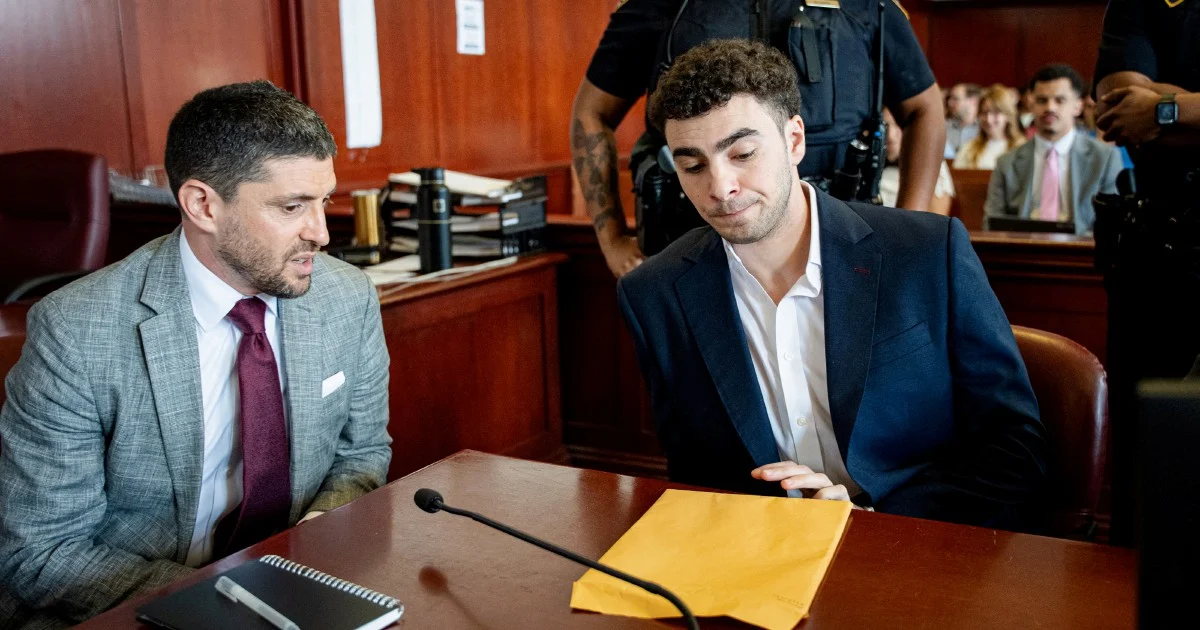
Luigi Mangione, the man charged with the December killing of UnitedHealthcare CEO Brian Thompson on a Manhattan street, has temporarily shelved his strategy to introduce evidence of severe psychological distress as a defence at trial, a court document revealed on Friday. The move signals a potential shift in how Mangione's legal team intends to mount his case, though the decision does not preclude future changes to his defence strategy as the prosecution prepares evidence against him.
The alleged assassination of Thompson, who was struck by multiple gunshots while walking to a work meeting near Grand Central Terminal, sent shockwaves through the insurance industry and sparked broader public debate about healthcare coverage denials and corporate accountability. The case has captured sustained media attention and intensified scrutiny of UnitedHealthcare's business practices. Mangione's arrest weeks after the December 4 shooting followed his identification by law enforcement and a nationwide search that captured public imagination, particularly in New York City where he was apprehended.
The withdrawal of the mental health defence component represents a tactical recalibration by Mangione's legal team, who have not abandoned their ability to revisit this strategy later if circumstances warrant. Court filings indicate the temporary nature of this decision, preserving the defence's optionality as discovery processes advance and more details emerge about the evidence the prosecution intends to present. Such strategic manoeuvres are not uncommon in high-profile criminal cases where defence teams adjust their approaches based on evolving legal circumstances and evidentiary developments.
Mangione faces serious charges related to Thompson's death, and the case has become emblematic of broader healthcare and insurance industry tensions that resonated beyond New York. Public sentiment around the case has been complicated, with some viewing Thompson's death within the context of contentious healthcare policies and coverage disputes that have frustrated millions of Americans. This societal dimension adds complexity to the legal proceedings and affects the broader narrative surrounding the accused's motivations and psychological state.
The prosecution's position and the evidence they have compiled against Mangione remain significant factors in determining how the case will unfold. Standard criminal proceedings in New York require both sides to present their evidence and arguments before a judge or jury. The decision to withdraw mental health crisis evidence temporarily does not indicate how Mangione will ultimately plead or what other defences his team might pursue. Defence strategies in high-profile cases often evolve as lawyers assess the strength of opposing arguments and adjust their approach accordingly.
Mental health defences in criminal cases, particularly those involving violent crimes, require substantial psychiatric evaluation and expert testimony. Such defences can be contentious, requiring clear evidence that the defendant's mental condition significantly impaired their ability to form the requisite criminal intent or appreciate the nature of their actions. The withdrawal of this line of defence suggests Mangione's legal team may be pursuing alternative strategies that they believe offer stronger prospects given the specifics of this case.
The case continues to unfold against the backdrop of American healthcare debates. Thompson's position at UnitedHealthcare, one of the nation's largest health insurance companies, placed him at the centre of ongoing discussions about insurance coverage decisions, medical claim denials, and corporate responsibility. These contextual factors may influence public perception of the case, though legal proceedings must ultimately focus on the specific charges and evidence presented in court rather than broader societal grievances.
New York's legal system will process this case through standard procedures, with preliminary hearings and motions establishing the framework for how the trial proceeds. Mangione's legal team has the right to pursue all lawful defence strategies available to them, and their recalibration of approach reflects the complex dynamics that emerge in serious criminal prosecutions. The temporary withdrawal of one strategy does not preclude the introduction of psychological or mental health considerations through other legal mechanisms or testimony.
As the case progresses through the courts, media coverage and public interest are likely to remain intense. The circumstances of Thompson's death, combined with Mangione's arrest and the insurance industry context, have made this among the most closely watched criminal cases in recent times. How Mangione's defence ultimately unfolds will have implications not only for the parties involved but for broader discussions about criminal justice, mental health, and corporate accountability in contemporary America. The coming months will reveal how the prosecution and defence present their respective narratives to the court.

