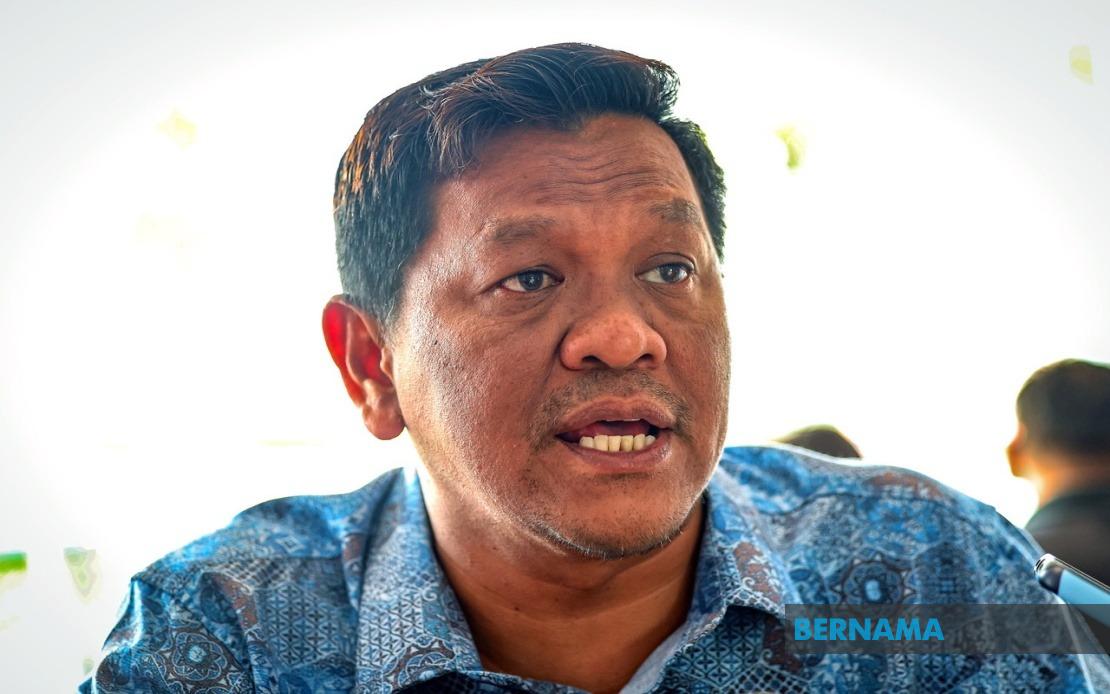
The National Security Council (MKN) distributed RM5 fuel vouchers to 200 motorcyclists in the Renggam area on June 25, marking another phase of the government's push to provide direct financial relief to citizens at the grassroots level. The initiative, overseen by Abdullah Izhar Mohamed Yusof, political secretary to the Communications Minister, formed the centrepiece of the Jiwa@Komuniti MADANI Sembang Santai World Cup Edition programme in Kluang, demonstrating the administration's commitment to addressing the cost-of-living challenges facing ordinary Malaysians.
Abdullah Izhar framed the voucher distribution not merely as a one-off charitable gesture but as part of a deliberate strategy to rebuild public confidence in government institutions through direct engagement. He emphasised that such programmes would be conducted on a recurring basis, suggesting the MKN views sustained community outreach as essential to its broader mission. The positioning of this initiative as part of regular engagement efforts indicates an acknowledgement that rural and semi-rural constituencies often feel disconnected from federal policy-making, a concern particularly acute in constituencies like Renggam where motorcyclists represent a significant portion of the working population.
The broader programme extended beyond simple cash distribution, incorporating a comprehensive information dissemination component. Representatives from the MKN, Information Department (JaPen), and Department of Community Communications (J-KOM) conducted briefing sessions on current governmental policies and initiatives, creating space for residents to ask questions and voice concerns about local issues. This multi-faceted approach reflects a recognition that financial assistance, while immediately welcome, must be accompanied by transparent communication about government direction and receptiveness to public input.
For motorcyclists in areas like Renggam, fuel costs represent a substantial portion of monthly expenditure, particularly for those using their vehicles for commercial purposes such as delivery services or ride-sharing. The RM5 voucher, while modest in absolute terms, can effectively subsidise a day's worth of fuel for many riders, offering tangible relief in an environment where petrol prices remain a consistent source of household budget strain. The symbolic value should not be overlooked either; the government's willingness to extend direct assistance to this demographic signals acknowledgement of their economic challenges.
Abdullah Izhar's remarks on accurate information dissemination carry particular significance in Malaysia's contemporary information landscape. The explicit emphasis on providing "accurate and authentic information" suggests the government perceives a need to counter misinformation at the community level, particularly in areas where digital literacy varies and word-of-mouth communication remains dominant. By positioning MKN representatives directly in Renggam, the government attempts to establish itself as a credible information source, competing with social media narratives and informal networks that may spread incomplete or misleading accounts of policy changes.
The response from voucher recipients revealed genuine appreciation tempered with cautious hope for expansion. M. Raja, a 56-year-old father of five from Taman Sri Jaya, expressed gratitude while articulating an implicit aspiration for the programme to become monthly rather than occasional. His comment reflects both the immediate financial pressures facing working-class motorcyclists and the broader hunger for sustained government support. Similarly, Hee Eeck Kwe, a 66-year-old from Kampung Baru, framed the initiative as evidence that rural communities have not been forgotten in the distribution of government benefits, addressing a persistent concern among peripheral constituencies that development and assistance programmes concentrate disproportionately in urban centres.
The targeting of motorcyclists specifically merits consideration within Malaysia's transport and economic context. Two-wheeled vehicles remain the primary mode of personal transport for millions of Malaysians, particularly those with lower to middle incomes. Unlike automobile drivers who can more easily absorb fuel price fluctuations, motorcyclists operate with narrower financial margins, making them acutely vulnerable to energy cost shocks. Government assistance programmes targeting this constituency directly address vulnerability without requiring means-testing or complicated application procedures, maximising accessibility and reducing bureaucratic barriers that often prevent eligible recipients from claiming benefits.
The coordination of multiple government agencies for a single community programme underscores a shift towards integrated service delivery at the grassroots. Rather than each department operating independently, the involvement of MKN, JaPen, and J-KOM in a unified event suggests improved inter-agency collaboration. For communities like Renggam, this consolidation reduces the need for residents to navigate multiple bureaucratic touchpoints and creates a single, accessible venue for engaging with government across policy areas simultaneously.
Moving forward, the stated commitment to expand such programmes nationwide carries both promise and implementation challenges. The logistics of delivering RM5 vouchers to hundreds of thousands of motorcyclists across Malaysia would require substantial resource allocation and coordination infrastructure. The question of whether this becomes a permanent monthly entitlement, as some recipients hope, or remains an episodic initiative tied to specific political campaigns, will significantly affect its impact on household finances. The government's willingness to institutionalise such programmes would signal confidence in the approach's effectiveness for building grassroots political capital while genuinely alleviating cost-of-living pressures.
For Malaysia's broader policy conversation, this initiative illustrates the enduring reliance on direct cash transfers and voucher systems rather than structural economic reforms addressing underlying inflation and cost pressures. While providing immediate relief, such measures do not fundamentally alter the economic conditions driving financial strain. The sustainability of targeted assistance programmes depends ultimately on whether the government simultaneously pursues complementary policies aimed at stabilising fuel prices, improving wage growth, and reducing living costs through supply-side reforms and regulatory efficiency. Without such complementary measures, periodic voucher distributions risk becoming permanent fixtures of social management rather than temporary bridges toward improved economic conditions.

