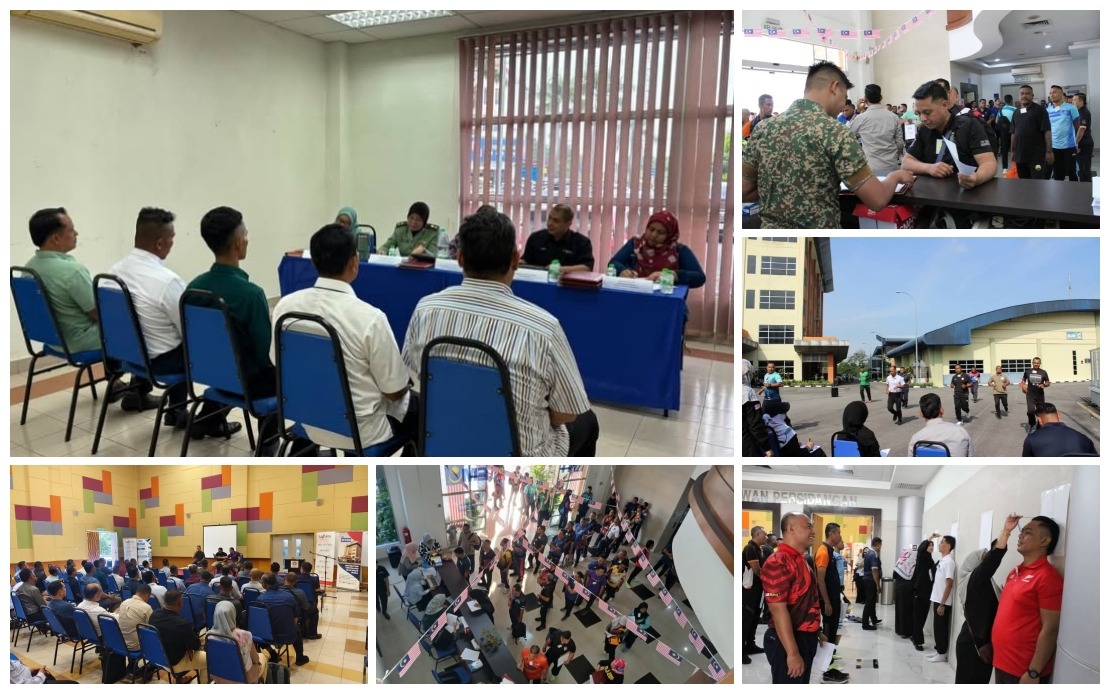
MARA has progressed with its recruitment of Full-Time External Wardens for the MARA Junior Science Colleges (MRSM) network, conducting intensive physical interview sessions for 147 candidates drawn from former military backgrounds. The assessment sessions, held at the MARA Food Technology Incubator in Kepong over two consecutive days last week, represent a critical stage in identifying individuals suited to pastoral leadership roles within Malaysia's premier residential science institutions.
According to MARA Chairman Datuk Dr Asyraf Wajdi Dusuki, the candidates who participated had already cleared two rounds of online screening before receiving invitations to the interview phase. This multi-stage approach reflects MARA's commitment to ensuring that only the most qualified individuals advance through the selection pipeline. The rigorous gatekeeping at earlier stages means that those attending the physical sessions represent a substantially vetted pool, though final selection will depend on performance in the upcoming assessments.
The physical interview process incorporated three distinct evaluation components designed to assess candidates comprehensively. Participants underwent Body Mass Index screening, the Bleep Test for aerobic fitness, and face-to-face interviews with selection panels. This combination of physical and cognitive assessment reflects the demanding nature of warden roles, which require both personal fitness to model healthy lifestyles and intellectual capacity to engage meaningfully with students on disciplinary and developmental matters. The inclusion of fitness testing underscores that wardens are expected to be actively present on campus and capable of responding to emergencies or incidents requiring physical intervention.
The warden positions carry significance that extends beyond conventional dormitory management. According to Datuk Dr Asyraf Wajdi, the role transcends simple discipline enforcement and security oversight. Wardens are envisioned as custodians of MARA's educational philosophy, tasked with cultivating the institutional values that distinguish MRSM institutions within Malaysia's education landscape. This broader conception of the warden function—positioning these professionals as mentors, guides, and educational collaborators—indicates that MARA views residential college leadership as integral to the formative experience of MRSM students rather than as ancillary support services.
The appointment of wardens is particularly timely given contemporary concerns about student welfare in Malaysian educational institutions. Datuk Dr Asyraf Wajdi has explicitly identified bullying, disciplinary infractions, and broader social problems as challenges that stronger residential college leadership can address. By recruiting experienced former military personnel, MARA appears to be seeking individuals with demonstrated capacity for managing group dynamics, maintaining order, and understanding hierarchical structures—capabilities that translate from military service to residential college environments. The strategic deployment of such personnel reflects an investment in preventative pastoral care rather than reactive crisis management.
The candidates selected through this process will commence their duties on July 1, positioning them to establish relationships with students from the beginning of the next academic term. This timing allows wardens to be present during critical transition periods when new students arrive and existing residents return, periods when community-building and norm-setting are most consequential. The staggered onboarding across the MRSM network suggests a coordinated, institution-wide initiative rather than ad-hoc replacements of individual positions.
Mara's warden recruitment effort extends beyond the male cohort that recently completed interviews. The organization is preparing to conduct similar physical assessment sessions for an additional 162 female candidates with former military backgrounds. This parallel recruitment process for female wardens indicates MARA's commitment to gender-balanced pastoral staffing, ensuring that female students have access to same-gender mentors and that residential colleges maintain gender-appropriate supervision structures. The substantial number of female candidates indicates robust interest in these positions among former military women, reflecting broader trends of military experience and professionalization among Malaysian women.
The selection of former military personnel as wardens represents a deliberate institutional choice with particular implications for MRSM college culture. Military background provides candidates with experience in structured environments, hierarchical decision-making, and crisis management protocols—attributes potentially advantageous in residential settings accommodating hundreds of adolescents. However, this approach also raises questions about how military discipline paradigms translate to contemporary educational contexts that increasingly emphasize student agency, mental health support, and developmental guidance over authoritarian command structures. The success of this initiative will likely depend on how effectively wardens bridge military organizational skills with modern student-centered pastoral practices.
The multi-phase selection process itself signals MARA's recognition that warden recruitment demands careful scrutiny. Moving from initial online screening through physical interviews to final appointments creates multiple decision points and opportunities to assess candidates against evolving criteria. This approach mitigates risks associated with hiring individuals unsuited to intensive residential settings, where poor judgment or interpersonal failures can profoundly impact dozens of students simultaneously. The investment in rigorous selection reflects the stakes involved in placing individuals in positions of significant influence over adolescent development.
For Malaysian parents and students, this recruitment initiative addresses a genuine institutional concern about residential college quality. MRSM institutions occupy a privileged position in Malaysia's secondary education system, attracting high-performing students from across the country. The welfare and development of these students depends substantially on the quality of residential college leadership and the strength of pastoral support systems. By systematically recruiting and assessing wardens, MARA is signaling commitment to maintaining standards that justify the confidence families place in these institutions. The emphasis on former military personnel also suggests MARA values the discipline, maturity, and leadership experience that such backgrounds typically provide.
Looking forward, the appointment of these wardens will provide empirical evidence regarding the effectiveness of this recruitment strategy. MARA stakeholders will observe whether former military personnel prove effective at bridging the gap between institutional discipline and student development, and whether they successfully create residential environments that minimize bullying and misconduct while fostering positive student outcomes. The scale of the initiative—potentially exceeding 300 new wardens across the network when both male and female cohorts are hired—constitutes a substantial organizational investment that will reshape the lived experience of MRSM students across Malaysia.

