An Ipoh secondary school student aged 13 remains in critical condition following a reported fall from a building on the school premises on June 22. The incident, which occurred in the early afternoon, has prompted an ongoing police investigation as authorities work to establish the precise circumstances surrounding the accident.
The Perak police headquarters was first notified of the emergency at 2.49 pm through the MERS 999 hotline. Within minutes, responding officers and emergency medical personnel arrived at the school to provide immediate assistance and commence preliminary inquiries into what transpired. The swift response reflects standard protocol for medical emergencies involving minors in educational settings.
The student was transported to Raja Permaisuri Bainun Hospital (HRPB) for comprehensive treatment and ongoing medical care. Hospital staff are managing the youth's condition as he remains in a critical state, with his family receiving support during what authorities acknowledge is an intensely difficult period.
Peeling back the surface of such incidents reveals the complex nature of school safety investigations in Malaysia. When young students are seriously injured on school property, questions naturally arise about supervision, building maintenance, and facility design. The police investigation will need to address not only whether the fall was accidental, but also whether any factors within the school's control—such as barriers, maintenance issues, or lack of oversight—may have contributed.
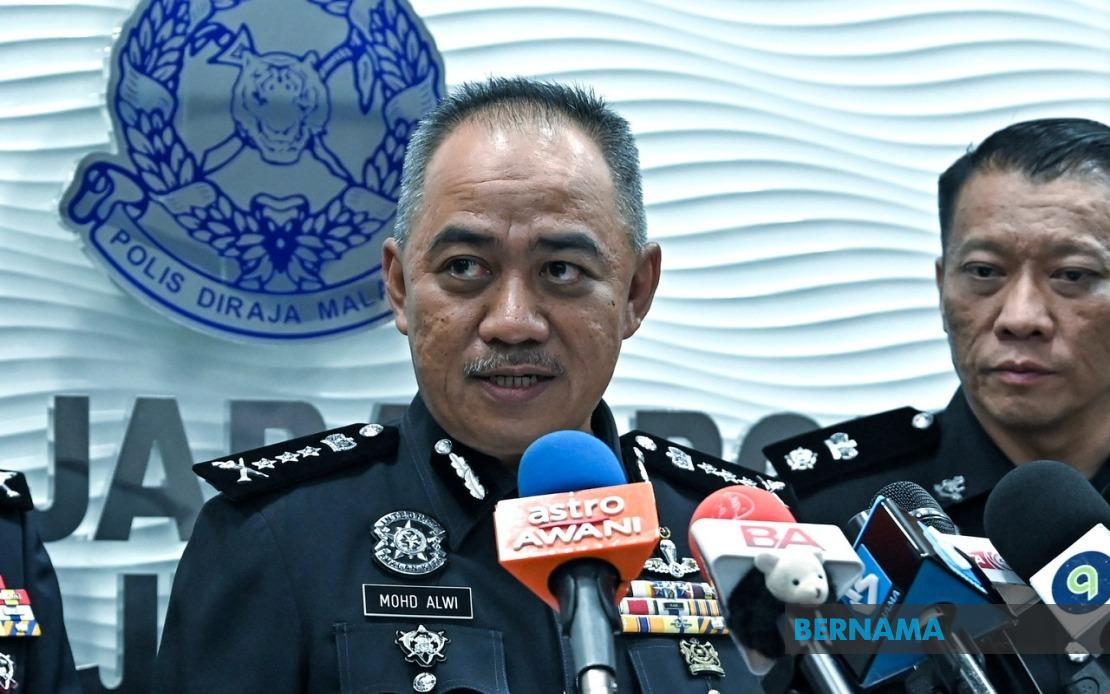
Datak Mohd Alwi Zainal Abidin, the Perak police chief, emphasized that investigators are still at the evidence-gathering phase. Witness statements are being compiled, and all relevant aspects of the incident are under examination. This methodical approach, while requiring patience, is essential for understanding how a young person came to fall from a school building.
The authorities have also issued a public appeal asking residents to refrain from speculation or spreading unverified claims about the incident. In the age of social media, incidents involving injured minors can quickly generate rumours and misinformation, which can compound family distress and hamper legitimate investigations. The police request reflects growing recognition of how digital platforms can accelerate the spread of inaccurate narratives about sensitive matters.
Parallel to the investigative process, police have requested that the community respect the privacy of the student, his family members, and the school institution. Such incidents inevitably draw attention and curiosity, yet the welfare and dignity of those directly affected must remain paramount. The school community, already processing shock and concern, deserves space to function without additional external pressure.
This incident underscores broader questions about student safety in Malaysian educational facilities. Secondary schools house hundreds of adolescents, some of whom may face emotional or psychological challenges that could increase accident risk. Schools nationwide grapple with balancing open campus designs against comprehensive safety measures. The investigation findings may yield insights relevant to how other institutions manage their physical spaces and duty of care obligations.
The Perak police have committed to conducting a transparent and comprehensive investigation, with updates to be released periodically. This commitment to openness is crucial for maintaining public confidence, particularly when incidents involve young people under institutional care. Families, school stakeholders, and the broader community require assurance that authorities are taking the matter seriously and following proper procedures.
For Malaysian schools and education authorities more broadly, cases like this serve as cautionary reminders about risk assessment and prevention measures. While accidents can occur despite precautions, systematic reviews of building safety, student supervision protocols, and emergency response capabilities can help minimize preventable incidents. The investigation's findings may inform policy discussions at the state and national levels regarding minimum standards for school infrastructure and emergency procedures.
As the student battles for recovery in hospital care, his family faces an agonizing wait for both medical updates and clarity about how the accident occurred. The investigation's eventual conclusions will provide answers to questions that are undoubtedly consuming their attention and concern during this critical time.

